
Your home is much more than a place to live — it is a reflection of your personality, lifestyle, and personal taste. The colors you choose, the furniture you bring in, and the decorative details you add all work together to create a space that can influence your mood, comfort, and overall well-being. Whether you prefer sleek modern interiors, cozy rustic retreats, or vibrant bohemian spaces, understanding different interior design styles is the first step toward creating a home you’ll truly love.
With so many design styles available today, it’s easy to feel overwhelmed. Some styles focus on clean lines and simplicity, while others celebrate rich textures, historical influences, or artistic self-expression. Although many interiors blend elements from several styles, becoming familiar with the defining characteristics of each one can help you identify what resonates most with your personal aesthetic.
Here, we’ll explore 15 of the most popular interior design styles, highlighting what makes each one unique. From timeless classics to contemporary favorites, you’ll discover the colors, materials, furniture, and design principles that define each style — making it easier to find inspiration and confidently design a space that feels both beautiful and authentically yours.
1. Modern Style
Modern style is characterized by clean lines, uncluttered spaces, and a restrained color palette. Materials such as glass, steel, and polished surfaces are commonly used to create a sleek, sophisticated appearance.

Every element in a modern interior is intentionally selected, with an emphasis on simplicity and functionality. Furniture features clean geometric shapes without excessive ornamentation, while décor is kept to a minimum. The overall atmosphere is orderly, balanced, and refined.
Key characteristics:
- Clean, straight lines
- Neutral color palette
- Glass and steel accents
- Minimal decoration
- Functional furniture
2. Contemporary Style
Although often confused with modern design, contemporary style is distinctly different. Modern design follows the design principles established in the early twentieth century, whereas contemporary interiors reflect current design trends and continue to evolve over time.

Contemporary spaces are generally softer and more fluid than modern interiors. Curved furniture, organic shapes, and flowing lines are commonly incorporated, creating a warmer and more inviting atmosphere while maintaining a clean aesthetic.
Key characteristics:
- Current design trends
- Soft curves and rounded forms
- Flexible approach to decorating
- Open, airy spaces
- Blend of textures and materials
3. Minimalist Style
Minimalism evolved from modern design by stripping interiors down to only the essentials. Every object has a purpose, and unnecessary decoration is eliminated entirely.

The color palette is typically neutral, featuring whites, grays, beige, and black. Furniture is simple, functional, and free from ornamentation. Rather than creating empty spaces, minimalism seeks to create calm, balance, and clarity through thoughtful design.
Key characteristics:
- Neutral colors
- Functional furnishings
- Clean architectural lines
- Clutter-free spaces
- “Less is more” philosophy
4. Industrial Style
Inspired by factories, warehouses, and converted lofts, industrial interiors celebrate raw materials and unfinished architectural elements.
Exposed brick walls, visible pipes, concrete floors, reclaimed wood, and metal fixtures define this style. High ceilings and large windows add to the open, spacious feeling. Decorative elements are used sparingly, allowing the building’s structure to become part of the design itself.

Imagine weathered timber, black steel lighting fixtures, exposed ductwork, and simple functional furniture accented by a few abstract artworks.
Key characteristics:
- Exposed brick and concrete
- Metal and reclaimed wood
- Open ceilings and visible pipes
- Neutral colors
- Functional furnishings
5. Mid-Century Modern
Mid-Century Modern emerged during the 1950s and 1960s, emphasizing functionality, simplicity, and timeless design. Today, it remains one of the world’s most influential interior styles.

Furniture features clean lines with gentle organic curves inspired by nature. Iconic pieces, such as egg-shaped chairs and tapered wooden legs, combine elegance with comfort. Every design element serves a practical purpose without sacrificing visual appeal.
Key characteristics:
- Retro-inspired aesthetics
- Organic shapes
- Functional furniture
- Clean silhouettes
- Natural wood finishes
6. Scandinavian Style
Scandinavian interiors embrace simplicity, functionality, and natural light. While furniture appears understated, each piece is carefully designed and often resembles a work of art.

White walls, light wood flooring, natural textiles, and minimal accessories create bright, welcoming spaces. Pops of color are introduced through artwork, decorative cushions, or a single statement furniture piece.
The result is an interior that feels calm, spacious, and effortlessly comfortable.
Key characteristics:
- White and light neutral colors
- Natural wood
- Abundant natural light
- Functional furniture
- Cozy textiles
7. Traditional Style
Traditional interiors are inspired by classic European design and emphasize elegance, comfort, and timeless beauty.
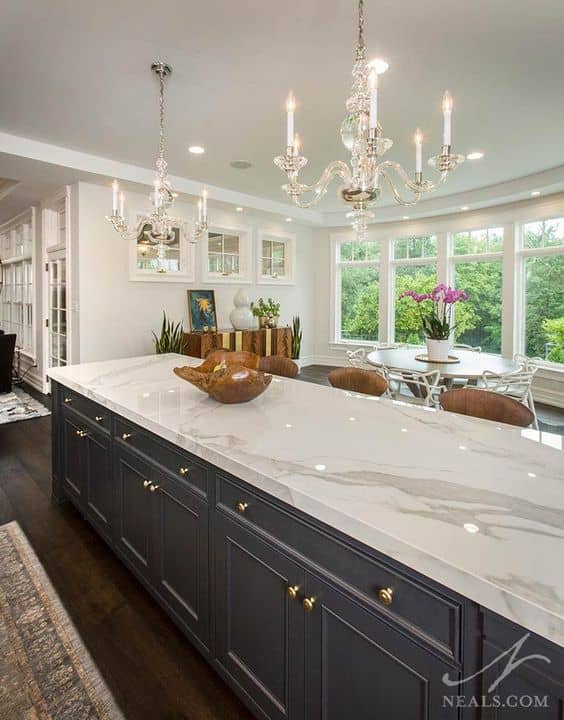
Rich wood finishes, ornate furniture, decorative moldings, and luxurious fabrics such as velvet, silk, and brocade are commonly used. Curved furniture lines and sophisticated accessories create a warm and inviting atmosphere that never goes out of style.
Key characteristics:
- Rich wood tones
- Elegant detailing
- Luxurious fabrics
- Warm color palette
- Classic furnishings
8. Transitional Style
Transitional design combines the best elements of traditional and contemporary interiors, creating a harmonious balance between classic elegance and modern simplicity.
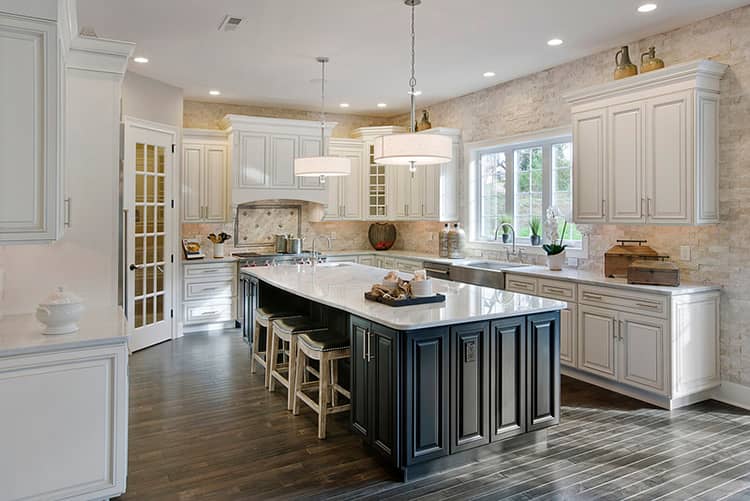
Neutral colors provide a calming backdrop while allowing different materials and styles to coexist effortlessly. Glass, steel, plush upholstery, and classic architectural details work together without either style dominating the room.
The result is a sophisticated yet comfortable living space.
Key characteristics:
- Blend of traditional and modern
- Neutral color palette
- Comfortable elegance
- Clean yet classic lines
- Balanced design
9. French Country Style
Also known as Provence style, French Country interiors are inspired by the charming rural homes of southern France.

Warm earth tones, weathered wooden furniture, natural stone, exposed brick, and handcrafted details create a welcoming atmosphere. Decorative accents often include porcelain tableware, floral textiles, embroidered linens, and vintage-inspired accessories.
The overall effect is rustic elegance filled with warmth and character.
Key characteristics:
- Warm natural colors
- Distressed wood
- Stone and brick finishes
- Floral patterns
- Rustic charm
10. Bohemian Style
Bohemian, or Boho, style celebrates creativity, individuality, and freedom of expression. Rather than following strict design rules, it encourages personal storytelling through carefully collected objects.
Vintage furniture, ethnic textiles, colorful rugs, travel souvenirs, and flea-market finds all come together to create a layered, eclectic look. Floor cushions, handcrafted décor, and unexpected combinations add warmth and personality.
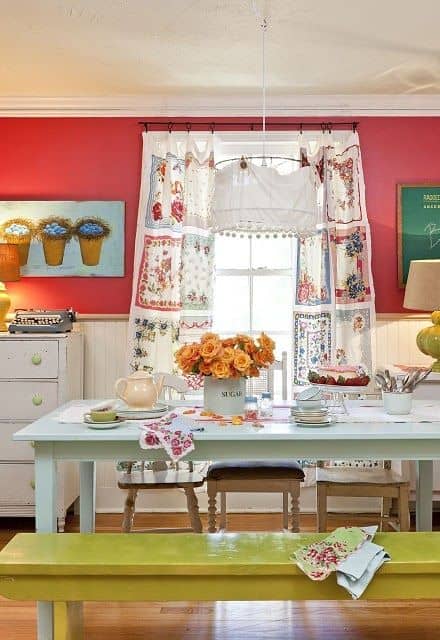
A modern chandelier might comfortably coexist with a vintage Persian rug and mid-century chairs, creating a space that feels authentic rather than carefully staged.
Bohemian interiors are often associated with artistic, unconventional lifestyles and embrace the philosophy of living according to one’s own tastes.
Key characteristics:
- Eclectic mix of furniture
- Vintage and handmade décor
- Global influences
- Rich textures and patterns
- Relaxed atmosphere
11. Rustic Style
Rustic interiors draw their inspiration directly from nature, emphasizing authenticity and natural materials.

Wood, stone, exposed beams, reclaimed flooring, and handcrafted furniture create spaces that feel warm and grounded. Many rustic interiors successfully combine traditional country elements with modern furnishings to achieve a fresh yet timeless appearance.
Key characteristics:
- Natural wood and stone
- Exposed beams
- Handmade elements
- Earthy colors
- Cozy atmosphere
12. Shabby Chic Style
Shabby Chic is a vintage-inspired style with a distinctly soft, feminine character.

Furniture is intentionally distressed or naturally weathered to create the appearance of cherished antiques. The color palette consists primarily of white, cream, and pastel shades, while floral wallpaper, delicate lighting fixtures, lace, and elegant decorative details complete the romantic atmosphere.
Key characteristics:
- Distressed furniture
- Soft pastel colors
- Vintage-inspired décor
- Floral patterns
- Romantic elegance
13. Hollywood Glam Style
Also known as Hollywood Regency, this style embodies luxury, glamour, and dramatic sophistication.

Bold colors such as purple, turquoise, emerald green, and deep red are paired with luxurious materials including velvet, mirrored surfaces, crystal, and polished metals. Victorian-inspired furniture, antiques, decorative tassels, and elaborate accessories create interiors that make a confident statement.
Hollywood Glam is perfect for homeowners who enjoy elegance, drama, and luxurious surroundings.
Key characteristics:
- Luxurious finishes
- Bold jewel tones
- Velvet upholstery
- Crystal and mirrored accents
- Statement furniture
14. Coastal and Hamptons Style
Inspired by the beautiful seaside homes along America’s coast, particularly those in the Hamptons, this style creates bright, airy, and relaxing interiors.
A palette of soft whites, creams, sandy neutrals, blues, and sea greens evokes the colors of the beach and ocean. White or beige furniture, painted wood surfaces, large windows, and natural materials enhance the light, open atmosphere.
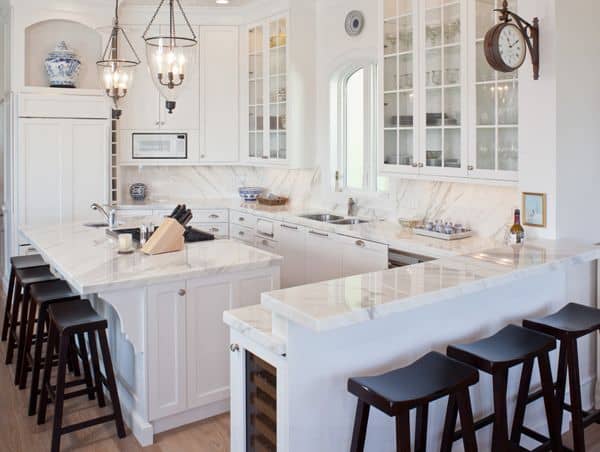
Classic striped blue-and-white cushions, plush white sofas, woven baskets, and nautical accessories complete the relaxed coastal aesthetic.
The ultimate goal is to create a peaceful home that captures the refreshing feeling of life by the sea.
Key characteristics:
- Light neutral colors
- Blue and green accents
- White-painted wood
- Nautical-inspired décor
- Bright, open spaces
- Comfortable furnishings
15. Japandi Style
Japandi is a contemporary interior design style that beautifully combines the simplicity of Scandinavian design with the timeless elegance of Japanese aesthetics. It embraces the philosophy of “less is more,” creating calm, functional spaces that promote comfort and well-being.
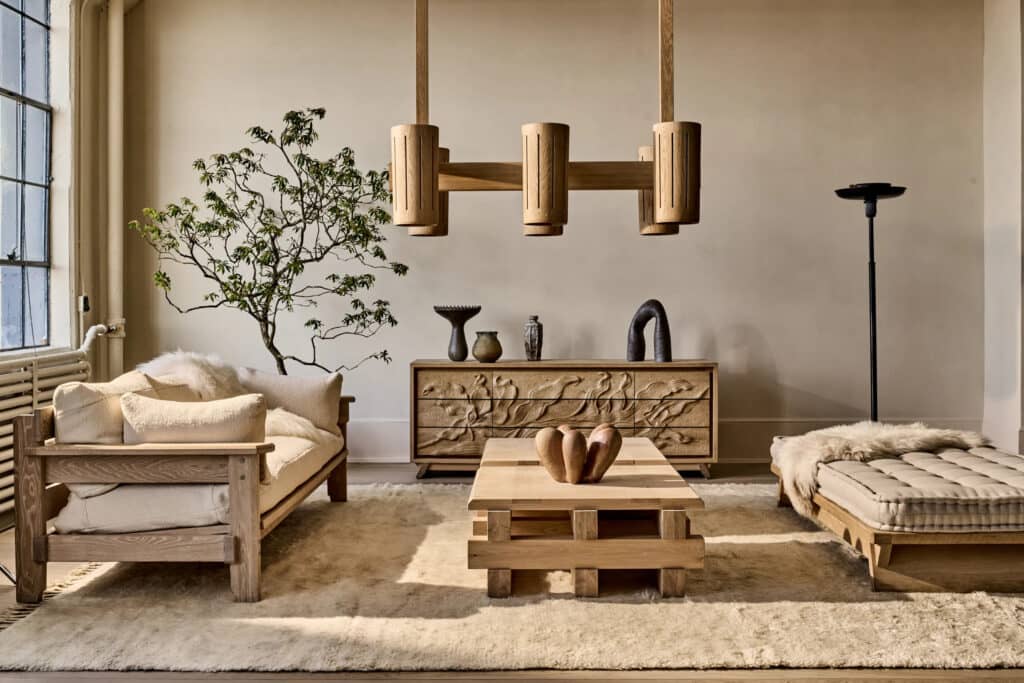
Natural materials such as light wood, stone, bamboo, and linen play a central role, while the color palette is soft and understated, featuring warm neutrals, muted earth tones, and subtle shades of gray. Furniture is clean-lined, practical, and carefully selected to avoid visual clutter. Decorative accessories are kept to a minimum, allowing craftsmanship, texture, and natural beauty to take center stage.
The result is an interior that feels peaceful, balanced, and inviting—a perfect blend of modern functionality, thoughtful design, and a deep appreciation for simplicity and nature.
Key characteristics:
- Blend of Japanese and Scandinavian design
- Neutral, earthy color palette
- Natural materials such as wood, bamboo, stone, and linen
- Clean lines and uncluttered spaces
- Functional, handcrafted furniture
- Minimal décor with an emphasis on texture
- Calm, balanced, and inviting atmosphere
- Strong connection to nature and natural light
Interior design is not about following trends or rigid rules—it’s about creating a space that supports the way you live and makes you feel at home. Each design style offers its own unique perspective, whether it’s the clean simplicity of Minimalism, the warmth of French Country, the relaxed atmosphere of Coastal design, or the bold elegance of Hollywood Glam. Understanding these styles allows you to appreciate their distinctive features while discovering which elements best reflect your personality and everyday needs.
It’s also worth remembering that you don’t have to limit yourself to a single style. Many of today’s most inviting homes thoughtfully combine characteristics from several design approaches, creating spaces that are both functional and deeply personal. The key is finding the right balance between beauty, comfort, and practicality.
As you begin planning or refreshing your home, use these interior design styles as inspiration rather than strict formulas. Experiment with colors, textures, materials, and furnishings until you create an environment that feels authentic to you. After all, the most successful interiors are not simply well-designed—they tell the story of the people who live in them and provide a place where comfort, creativity, and everyday life come together.