
Building a home is one of life’s biggest investments, and choosing its architectural style is one of the most exciting — and sometimes overwhelming — parts of the journey. Long before you begin selecting flooring, paint colors, or furniture, the architectural style establishes the personality of your future home. It influences everything from the shape of the roof and the size of the windows to the interior layout, energy efficiency, and even long-term maintenance.
Today’s homeowners have more choices than ever before. Some are drawn to timeless classics inspired by European estates, while others prefer sleek minimalist homes filled with natural light. Rustic country houses, elegant Mediterranean villas, cozy Scandinavian retreats, and bold contemporary designs each offer their own unique charm and practical advantages.
With so many possibilities, it’s easy to become overwhelmed. A house that looks stunning in a magazine may not be the best fit for your climate, lifestyle, family size, or budget. That’s why understanding the defining characteristics of different architectural styles is an essential first step before selecting a home design.
Your Home’s Architecture Is More Than Just a Style Statement
Rather than viewing architecture as simply an exterior appearance, think of it as the foundation of how you’ll experience your home every day. The right architectural style creates spaces that feel comfortable, functional, and uniquely yours. It reflects your personality while supporting the way you live, entertain, work, and relax.
Here, we’ll explore some of today’s most popular residential architectural styles, highlighting what makes each one distinctive. Whether you’re planning to build a custom home, renovate an existing property, or simply looking for inspiration, this overview will help you better understand the architectural options available and discover the style that feels like home.
Before Choosing an Architectural Style
While it’s tempting to fall in love with a home’s appearance, experienced architects recommend considering several practical factors before making your final decision.
First, think about your lifestyle. A growing family may appreciate an open floor plan with generous shared living spaces, while empty nesters might prioritize accessibility and low-maintenance design. If you frequently entertain guests, outdoor living areas and spacious kitchens may become essential features.
Climate is equally important. Large panoramic windows may work beautifully in colder northern climates where maximizing daylight is desirable, while homes in warmer regions often benefit from shaded terraces, deep roof overhangs, and natural ventilation.
Budget should also play a role. Some architectural styles require more elaborate detailing, premium materials, or specialized craftsmanship, increasing both construction and maintenance costs. Simpler designs often offer greater flexibility while remaining visually impressive.
Finally, don’t be afraid to think long-term. Architectural trends come and go, but a thoughtfully designed home should remain attractive and functional for decades. Choosing a style that balances timeless appeal with modern comfort is often the wisest investment.
With these considerations in mind, let’s explore the architectural styles that continue to inspire homeowners around the world.
1. English Style
Elegant, dignified, and unmistakably timeless, the English style captures the charm of Britain’s historic country homes. Rooted in Georgian and Regency architecture, it emphasizes balance, proportion, and understated sophistication rather than excessive ornamentation.

English-style homes are instantly recognizable thanks to their symmetrical façades, red brick exteriors, matching windows, and classic paneled front doors. Carefully manicured lawns, hedges, and gardens complete the picture, creating a home that feels refined without appearing ostentatious.
Inside, these homes typically feature comfortable layouts with traditional detailing, making them equally suited for family living and formal entertaining.
Perfect for homeowners who appreciate:
- Timeless elegance
- Traditional craftsmanship
- Balanced proportions
- Warm, welcoming exteriors
2. Prairie Style
Prairie Style is one of America’s most influential architectural movements, pioneered in the early twentieth century by architects who sought to create homes that blended harmoniously with the surrounding landscape. Prairie-style homes are characterized by low-pitched roofs with wide overhanging eaves, large windows, spacious terraces, and open floor plans.
These homes are instantly recognizable by their low-pitched roofs with broad overhanging eaves, wide terraces, rows of large windows, and open-concept floor plans. Natural materials such as brick, wood, and stone are commonly used, while interior spaces flow seamlessly from one room to another, creating a sense of openness and continuity.

The interiors are designed for comfort and functionality, often featuring built-in furniture, fireplaces, and flowing transitions between rooms. Rather than relying on excessive decoration, Prairie Style celebrates craftsmanship, balance, and a strong relationship with nature.
Today, this timeless style remains popular among homeowners who appreciate understated beauty, practical layouts, and architecture that feels both welcoming and connected to its environment.
Perfect for homeowners who appreciate:
- Strong connection with nature
- Open and flowing floor plans
- Low, horizontal architectural lines
- Natural building materials
- Timeless American design
3. Barnhouse
One of today’s fastest-growing residential architectural styles, the Barnhouse takes inspiration from traditional farm buildings while embracing modern design principles.
Although its origins lie in simple agricultural structures, the contemporary Barnhouse combines Minimalism, Scandinavian influences, and eco-conscious design. The result is a home that feels both rustic and strikingly modern.

Large gable roofs, expansive glass walls, soaring ceilings, and open-concept interiors define the style. Natural materials such as timber, stone, and steel work together to create a warm yet minimalist aesthetic.
Many Barnhouse designs blur the boundary between indoors and outdoors, allowing natural light to become a central design feature.
4. Baroque
If subtlety isn’t your goal, Baroque architecture offers one of the most dramatic expressions of luxury.
Originally developed in seventeenth-century Europe, Baroque architecture celebrated grandeur, artistic expression, and elaborate craftsmanship. Modern interpretations retain many of these qualities while adapting them for contemporary living.
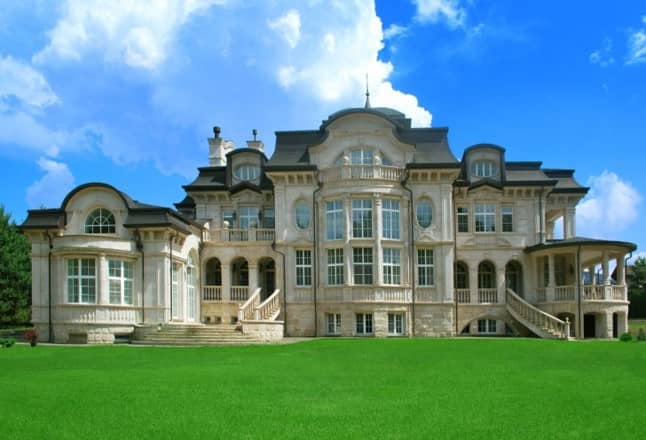
Columns, sculptural details, decorative moldings, sweeping staircases, and richly ornamented façades create homes that resemble elegant palaces. Color palettes often combine soft neutral tones with bold accents such as burgundy, emerald green, or deep crimson.
Although Baroque homes are less common today, they remain a favorite among homeowners who appreciate classical elegance and architectural drama.
5. Dutch Style
Dutch architecture combines practicality with understated beauty.
Traditionally built using red brick, Dutch homes feature steeply pitched roofs, narrow front gables, and large multi-pane windows that flood interiors with natural light.

Modern versions often preserve these signature elements while incorporating contemporary building materials and improved energy efficiency.
The result is an architectural style that feels charming, dependable, and perfectly suited for family life.
6. Deconstructivism
Among the newest architectural movements, Deconstructivism challenges almost every traditional design rule.
Instead of symmetry and predictable geometry, these homes embrace asymmetry, unexpected angles, fragmented forms, and bold structural compositions. Glass, exposed concrete, and steel become artistic elements rather than merely construction materials.

Every Deconstructivist home is unique, often resembling a modern sculpture more than a conventional residence.
This style appeals to homeowners who see architecture as an opportunity for creative expression rather than conformity.
7. European Style
European-style homes borrow architectural ideas from several countries, combining them into one harmonious design.
Clean proportions, pitched roofs, balanced layouts, and elegant detailing create homes that feel both sophisticated and welcoming.

Stone accents, decorative stucco, graceful entrances, and carefully designed landscaping contribute to their timeless appeal. Depending on the specific influences, windows may be rectangular or arched and are often enhanced with decorative muntin.
European architecture successfully blends beauty with practicality, making it one of the most enduring choices for custom homes.
8. Italian Style
Italian-inspired homes evoke the relaxed elegance of the Mediterranean countryside.
Soft earth tones, terracotta roof tiles, covered terraces, flower-filled balconies, and shuttered windows create a warm, inviting atmosphere that encourages indoor-outdoor living.
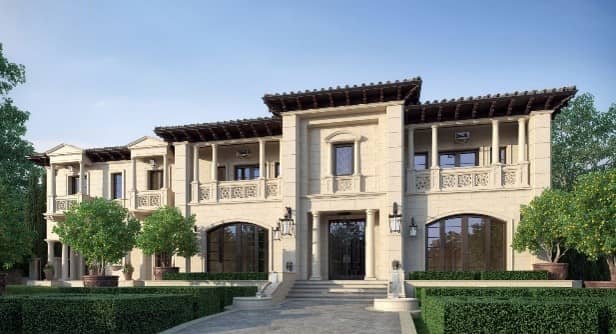
Most Italian villas are two stories, although contemporary interpretations may feature modern floor plans while preserving the unmistakable exterior character.
These homes celebrate comfort, family gatherings, and the simple pleasures of everyday life.
9. Country Style
Few architectural styles feel as welcoming as Country design.
Inspired by traditional rural homes, Country architecture celebrates natural materials, handcrafted details, and comfortable living. Wood, stone, ceramic brick, and natural textures dominate both the exterior and interior.

The beauty of Country architecture lies in its flexibility. Depending on the region, it may resemble an English cottage, an American farmhouse, or a Swiss chalet.
Regardless of its interpretation, the atmosphere remains warm, relaxed, and inviting—often centered around a cozy fireplace that serves as the heart of the home.
10. Classical Style
Classical architecture has remained relevant for centuries because it is built upon principles of harmony and proportion.
Large symmetrical homes, graceful columns, decorative balustrades, tall windows, and elegant stucco façades create an appearance of quiet confidence rather than extravagance.

Every architectural detail contributes to a sense of permanence and dignity, making Classical homes especially attractive to those seeking timeless beauty that transcends changing design trends.
11. Colonial Style
Colonial architecture reflects centuries of cultural exchange, blending European traditions with influences from Africa, Asia, and the Americas.
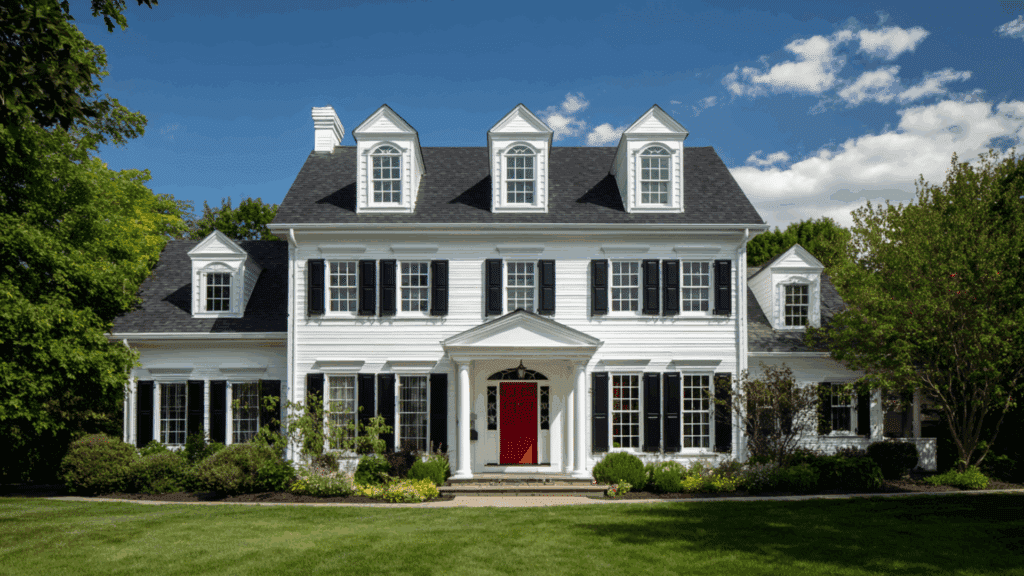
These homes often feature grand columns, covered verandas, arched openings, and richly detailed woodwork. Decorative accents inspired by distant cultures add warmth and individuality without overwhelming the design.
The result is an eclectic yet balanced architectural style full of history and character.
12. Constructivism
Constructivism places function above ornament.
Originally developed during the early twentieth century, this architectural movement emphasizes simple geometric forms, efficient layouts, and honest use of materials.

Modern Constructivist homes typically feature flat roofs, expansive glazing, concrete walls, steel framing, and monochromatic color schemes. Decorative details are intentionally minimized, allowing the building’s structure to become its primary visual feature.
This style is ideal for homeowners who value simplicity, innovation, and practical living.
13. Loft Style
Originally associated with converted factories and warehouses, Loft architecture has evolved into one of the most influential residential design styles.
Its defining characteristics include open floor plans, exposed structural elements, industrial finishes, high ceilings, large windows, and abundant natural light.
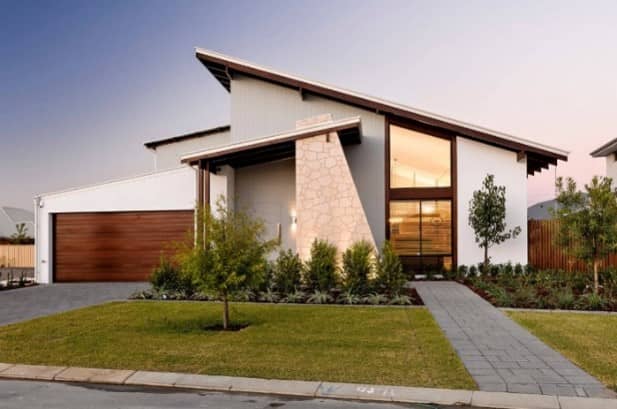
Rather than concealing steel beams, ductwork, or concrete surfaces, Loft design celebrates them as essential elements of the home’s personality.
The result is an interior that feels spacious, creative, and effortlessly contemporary.
14. Art Nouveau
Art Nouveau transforms architecture into art.
Flowing lines, graceful curves, decorative ironwork, stained glass, mosaics, bay windows, and intricate handcrafted details distinguish this highly expressive architectural style.

Unlike the clean geometry of Minimalism, Art Nouveau embraces organic forms inspired by nature. Every doorway, window, and decorative element contributes to a sense of movement and elegance.
Although highly decorative, these homes never feel excessive. Instead, they demonstrate exceptional craftsmanship and artistic vision.
15. Minimalism
Few architectural styles have influenced modern residential design as profoundly as Minimalism.
Built upon the principle that less can truly be more, minimalist homes eliminate unnecessary decoration while emphasizing light, space, and functionality.

Large windows, open layouts, neutral color palettes, integrated lighting, and carefully selected natural materials create calm, uncluttered environments that promote both comfort and efficiency.
Far from feeling empty, well-designed minimalist homes offer a sense of serenity that many homeowners find increasingly valuable in today’s fast-paced world.
16. German Style
German architecture is known for one defining quality above all else: practicality.
These homes are carefully designed to maximize efficiency without sacrificing comfort. Typically constructed from stone or masonry, they feature pitched roofs, sturdy wooden doors, compact floor plans, and highly functional interiors with very little wasted space.

Many German-style homes include shutters, red clay roof tiles, and thoughtfully organized layouts that minimize hallways while maximizing usable living areas.
The emphasis is not on unnecessary decoration but on quality construction, durability, and everyday functionality— qualities that have made German architecture respected around the world.
17. Postmodern Style
Postmodern architecture emerged as a response to the simplicity of Modernism, bringing personality, creativity, and even a touch of humor back into architectural design. Rather than following strict rules, it embraces individuality and unexpected combinations.
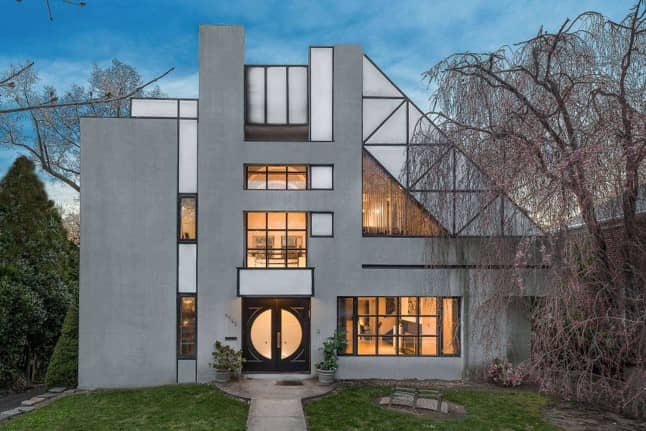
Homes designed in the Postmodern style often blend historical references with contemporary forms. You may find pitched or domed roofs alongside asymmetrical layouts, oversized windows, decorative towers, or dramatic entranceways. Curved walls, unusual proportions, and playful architectural details create homes that are instantly recognizable.
For homeowners who want something truly distinctive, Postmodern architecture offers endless creative possibilities while demonstrating that architecture can be both functional and expressive.
18. Ranch Style
Originally developed in the American West during the early twentieth century, Ranch-style homes continue to be one of the most practical choices for family living.

Their signature feature is a spacious single-story layout that encourages easy movement throughout the home. Long, horizontal floor plans create an open, welcoming atmosphere, while attached garages, large living areas, and multiple bedrooms make Ranch homes particularly appealing to growing families.
Low-pitched roofs, broad front porches, and generous backyards strengthen the connection between indoor and outdoor living, making these homes ideal for entertaining and everyday comfort.
19. Rococo
While Baroque architecture celebrates grandeur, Rococo introduces a lighter, more playful interpretation of luxury.

Inspired by eighteenth-century France, Rococo homes are rich in decorative details, featuring graceful curves, sculpted moldings, ornate balconies, decorative columns, and elegant plasterwork. Bay windows, elaborate cornices, and beautifully crafted interior details create a refined atmosphere that reflects exceptional artistry.
Although rarely chosen for modern suburban developments, Rococo remains an excellent choice for homeowners seeking a residence with unmistakable elegance and historical character.
20. Scandinavian Style
Scandinavian architecture has become one of the world’s most admired residential design styles—and for good reason.
Rather than focusing on decoration, Scandinavian homes prioritize natural light, simplicity, sustainability, and comfort. This philosophy is closely connected to the Nordic concept of hygge, which celebrates creating warm, inviting environments that promote well-being.

Large windows, natural wood finishes, clean lines, neutral colors, and highly energy-efficient construction define these homes. Covered terraces and thoughtfully designed outdoor spaces further strengthen the connection between the home and nature.
The result is architecture that feels calm, welcoming, and effortlessly beautiful throughout every season.
21. Mediterranean Style
Mediterranean homes capture the relaxed elegance of Southern Europe, where indoor and outdoor living naturally blend together.
White stucco walls, terracotta roof tiles, arched windows, decorative ironwork, spacious terraces, and shaded courtyards create homes designed for comfort as much as beauty.

One of the defining features of Mediterranean architecture is the central patio, which serves as a private outdoor living room where family and friends can gather throughout the year.
Even outside Mediterranean climates, this architectural style continues to attract homeowners seeking warmth, elegance, and timeless appeal.
22. Contemporary Style
Unlike architectural styles rooted in a particular historical period, Contemporary architecture continues to evolve alongside modern lifestyles and technological innovation.
Today’s contemporary homes frequently combine elements from several architectural traditions. A single residence may successfully blend minimalist forms with eco-friendly materials, Scandinavian simplicity, and High-Tech features.

Large windows, flexible floor plans, sustainable construction methods, and smart-home technology are common characteristics. Because Contemporary architecture constantly adapts to changing lifestyles, it remains one of the most versatile options for modern homeowners.
23. Half-Timbered (Fachwerk) Style
Dating back to medieval Germany, the Half-Timbered, or Fachwerk, style remains one of Europe’s most recognizable architectural traditions.
Its defining feature is the exposed wooden structural framework that forms decorative geometric patterns across light-colored exterior walls. Steep roofs, generous windows, and natural building materials contribute to the home’s unmistakable charm.

Modern interpretations preserve this historic appearance while incorporating contemporary insulation, energy-efficient glazing, and open interior layouts, successfully blending centuries-old craftsmanship with today’s building standards.
24. Farmhouse Style
Farmhouse architecture has experienced a remarkable revival over the past decade, combining traditional rural charm with modern comfort.
Large front porches, welcoming entryways, practical floor plans, and natural materials create homes designed for relaxed family living. Contemporary Farmhouses often feature white siding, black-framed windows, exposed wood beams, and spacious open kitchens that serve as the heart of the home.

The enduring popularity of Farmhouse architecture lies in its ability to feel both timeless and contemporary.
25. Finnish Style
Closely related to Scandinavian design, Finnish architecture emphasizes harmony with nature, sustainability, and everyday functionality.
Most Finnish homes are built from timber and feature simple forms, large terraces, generous windows, and frequently, a private sauna. Their restrained appearance allows the surrounding landscape to become an integral part of the overall design.

These homes demonstrate that luxury doesn’t always require elaborate decoration. Instead, thoughtful planning, natural materials, and exceptional craftsmanship create spaces that feel warm, peaceful, and deeply connected to the environment.
26. High-Tech Style
Few architectural styles communicate innovation as clearly as High-Tech architecture.
Characterized by steel, glass, concrete, and advanced engineering, High-Tech homes celebrate modern construction techniques rather than hiding them. Expansive panoramic glazing, dramatic cantilevers, multiple terraces, integrated lighting systems, and minimalist detailing create bold, futuristic residences.

Despite their sophisticated appearance, today’s High-Tech homes increasingly incorporate sustainable technologies such as solar panels, energy-efficient glazing, and intelligent climate-control systems, proving that innovation and environmental responsibility can work hand in hand.
27. Czech Style
Czech residential architecture combines practicality with long-standing European traditions.
These homes are typically single-story or one-and-a-half-story residences featuring steep tiled roofs, stucco façades, modest decorative details, and carefully proportioned windows. Bay windows, chimneys, and small towers occasionally add architectural interest while maintaining an overall sense of restraint.
The result is a home that feels comfortable, reliable, and deeply rooted in regional heritage.
28. Chalet Style
Originally developed in the Alps, Chalet homes were designed to withstand harsh mountain climates while providing warmth and shelter.
Their wide overhanging roofs protect the structure from snow, while natural stone foundations and timber upper stories create exceptional durability. Spacious balconies, exposed wooden beams, and large windows overlooking the surrounding landscape further define the style.

Today, Chalet architecture has become popular far beyond mountainous regions because of its welcoming atmosphere, natural materials, and timeless rustic beauty.
29. Château Style
Inspired by the magnificent country estates of the French aristocracy, Château architecture combines elegance with refined grandeur.

Symmetrical façades, tall windows, decorative stonework, steep roofs, and carefully proportioned architectural details give these homes a stately yet inviting appearance. While modern Château-style residences simplify some historical ornamentation, they continue to evoke sophistication and timeless luxury.
30. Swedish Style
Swedish homes reflect the same Scandinavian appreciation for simplicity, practicality, and nature.
Traditionally finished with red-painted timber or brick accented by crisp white trim, these homes feature straightforward forms, modest porches, large windows, and efficient floor plans. Their understated appearance allows quality craftsmanship and thoughtful design to take center stage.
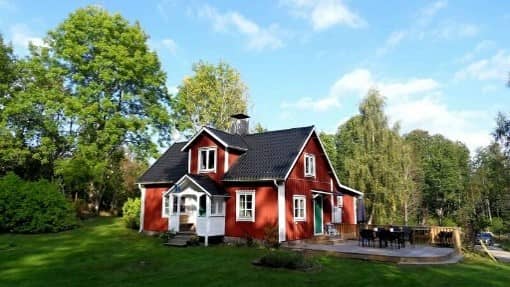
The result is architecture that feels warm, welcoming, and perfectly suited to everyday family life.
Can You Combine Different Architectural Styles?
One of today’s most exciting design trends is the thoughtful blending of architectural styles. While historical architecture often followed strict design principles, modern homeowners have greater freedom to personalize their homes.
For example, a Contemporary home may incorporate Scandinavian warmth through natural wood finishes, while a Farmhouse may include minimalist interiors and energy-efficient technology. Likewise, Mediterranean villas often feature modern open floor plans, and Classical homes increasingly embrace smart-home innovations.
The key is maintaining balance. Combining too many unrelated elements can create visual confusion, while carefully selected influences can produce a home that feels unique, harmonious, and timeless.
Working with an experienced architect can help ensure that different styles complement rather than compete with one another.
Common Mistakes When Choosing a Home Style
It’s easy to choose a home based solely on photographs, but successful architecture goes beyond appearances.
One of the most common mistakes is selecting a style that doesn’t suit the local climate. Another is overlooking long-term maintenance requirements, particularly for homes with elaborate decorative details or specialized materials.
As a homeowner you should also think about how your needs may evolve over time. A growing family, aging in place, or changing work habits can all influence how well a home’s layout functions in the future.
The most successful homes balance aesthetics with practicality, creating spaces that remain comfortable and functional for many years.
Architectural styles continue to evolve, yet their purpose remains the same: creating homes that improve everyday life. Whether your dream home is a sleek High-Tech residence, a cozy Scandinavian retreat, an elegant Classical villa, or a charming Farmhouse, the best design is ultimately the one that reflects your personality and supports the way you live.
Rather than chasing short-lived trends, focus on timeless principles such as quality construction, thoughtful planning, natural light, and functional spaces. These qualities never go out of style and will continue to add value and enjoyment long after today’s design fashions have changed.
Remember that your home is far more than an attractive exterior. It is where memories are made, families grow, friendships flourish, and everyday moments unfold. By understanding the strengths of different architectural styles and considering your lifestyle, budget, climate, and long-term goals, you’ll be well equipped to choose a home that is not only beautiful but also practical, comfortable, and uniquely your own.
Ultimately, the perfect architectural style isn’t defined by popularity or prestige — it’s defined by how well it enhances your daily life. When beauty, functionality, and personal expression come together, the result is a home you’ll be proud to call your own for years to come.