
As the largest and in many ways, most vulnerable organ in the human body, the skin is prone to a wide range of concerns. In this article, we’ll discuss five of the most common skin concerns, along with their symptoms and causes. More importantly, we’ll recommend the top natural treatment options for each concern, to help your skin get back to its usual, happy self!
A skin concern or condition is different from a skin type in that it is not genetic and can be improved over time. Often, symptoms are triggered by external factors such as climate changes, lifestyle habits and environmental stressors. Skin concerns and conditions can be uncomfortable, but the right treatments with active herbal ingredients can produce amazing results.
Common skin concerns and conditions include:
- Acne
- Redness and Rosacea
- Large Pores
- Dehydration
- Signs Of Aging
- Lack Of Firmness
- Hyperpigmentation
- Sun Damage
- Dullness
Acne
Up to 80% of people will experience acne at some point during their lifetime. This concern can affect skin at any age, from adolescent to adult, and every skin type. We’re told that acne is a teenage problem, but many of us continue to suffer from acne long after our teenage years. Studies have found that between 40-55% of adults between 20 and 40 years old suffer from persistent, adult acne. Different people may experience different types and intensities of acne, and for different reasons.
Acne is caused by a number of factors, including pore congestion, excess oil production, hormonal fluctuations, vitamin deficiency, bacteria and genetics.
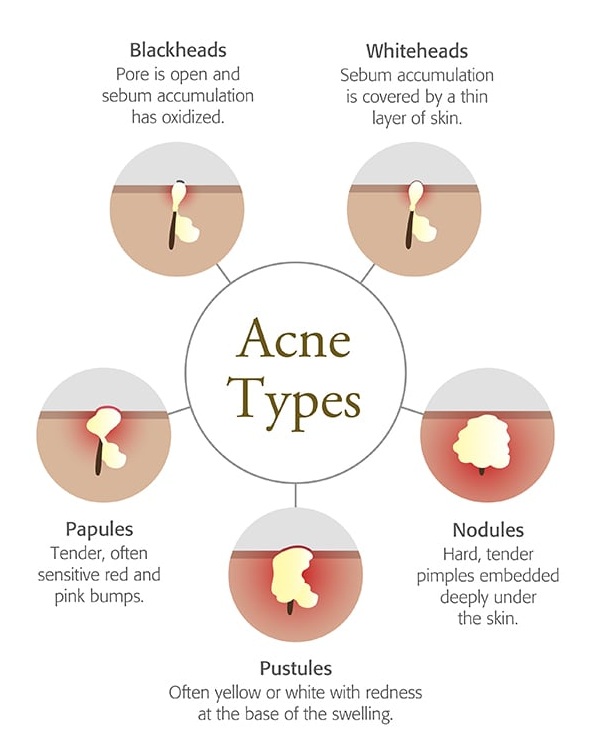
Hormonal acne normally begins during your teenage years, but it can crop up any time your hormones are out of balance. To fight hormonal acne, then, it’s important that you focus on re-balancing your hormones. While many skincare products will tell you that they can solve all of your skin woes, we believe that skincare should be one step in your healthy, self-care regimen. Especially when it comes to hormonal acne, it’s important to support your skin from within. Make sure you’re getting enough exercise and drinking enough water; and concentrate on eating a balanced diet with plenty of healthy, fatty acids, vitamins, and minerals. You can also try taking a supplement to support hormonal balance; these include evening primrose oil and holy basil (tulsi).
In some cases, your acne may be caused by a vitamin deficiency. This is another reason why it’s important to eat a balanced diet that includes plenty of vitamins and minerals. These ingredients are crucial when it comes to maintaining the health of your skin, as well as your overall health.
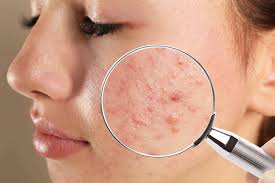 Many people may not be aware that their improper hygiene is a major contributor to acne. Examples of improper hygiene that can cause acne include using unclean makeup brushes, sleeping on dirty pillowcases, and touching your face with dirty hands. If you’re not sure what’s causing your acne, you may want to step back and consider whether or not your daily hygiene may be a contributing factor.
Salicylic acid and clay are two of the best ingredients to treat acne-prone skin and prevent future breakouts. Salicylic acid is a beta hydroxy acid that penetrates deep into pores to clear blockages and neutralize acne-causing bacteria. Clay works like a magnet, using its negatively charged particles to pull positively charged impurities from pores and the skin’s surface.
We also recommend using natural skin care products such as Tea Tree & WIllow clarifying collection to gently treat acne spots. These products combine the antibacterial properties of tea tree with the natural salicylic acid in willow to fight acne-causing bacteria. Twice-weekly exfoliation can also help to reduce acne, as it clears up clogged pores and helps to remove dead skin cells.
Redness and Rosacea
Rosacea (roe-ZAY-she-uh) is a common skin condition that causes flushing or long-term redness on your face. It also may cause enlarged blood vessels and small, pus-filled bumps. Some symptoms may flare for weeks to months and then go away for a while.
Sometimes confused with acne, rosacea often presents as inflammation and reddening on the nose, forehead, cheekbones or chin. Inflamed capillaries on the skin’s surface give skin a red, blotchy or bumpy appearance.
The cause of rosacea has not been determined. It may be a combination of hereditary and environmental factors. You are more likely to develop rosacea if you have a family history of the condition or if you have Celtic or Scandinavian ancestors. Women are also more likely to develop the condition than men. However, men who develop the condition often have more severe symptoms.
It is known that some things may make your rosacea symptoms worse.
These include:
- eating spicy foods eating items that contain the compound cinnamaldehyde, such as cinnamon, chocolate, tomatoes, and citrus
- drinking hot coffee or tea
- alcohol
- extreme temperatures
- sun exposure
- having the intestinal bacteria Helicobacter pylori
- a skin mite called demodex and the bacterium it carries, Bacillus oleronius
- the presence of cathelicidin (a protein that protects the skin from infection)
Rosacea cannot be cured, but you can take steps to control your symptoms. Make sure to take care of your skin using gentle cleansers and oil-free, water-based skin-care products.
Shop for oil-free facial creams and moisturizers.
Avoid products that contain:
alcohol
menthol
witch hazel
exfoliating agents
These ingredients may irritate your symptoms.
In addition to avoiding triggers, you can follow a sensitive skin care routine that employs gentle products free of harmful chemicals like added parabens, petrolatum, mineral oils, propylene glycol or sodium lauryl sulfate. Look for comforting ingredients like chamomile, calendula and stone crop which heal and soothe redness.
Large Pores
Large pores are another common skin concern. While pore size is largely determined by genetics, dead skin cell buildup, loss of elasticity and excess oil production can cause them to expand and enlarge.
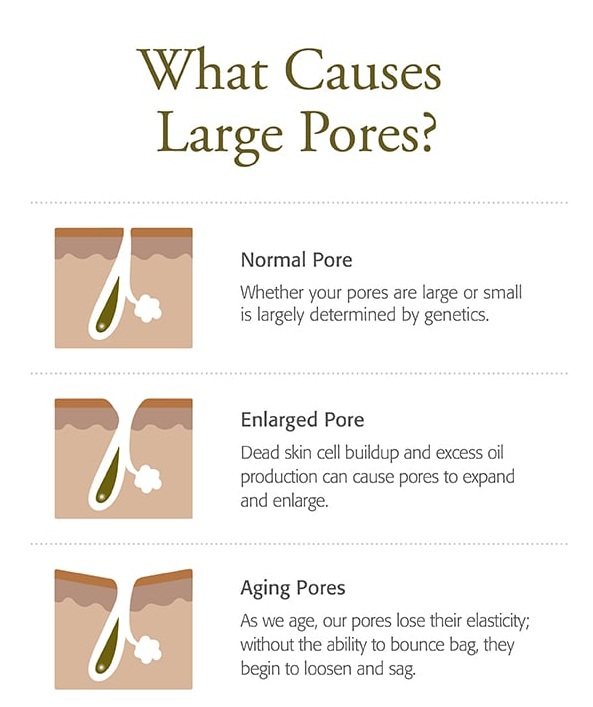
Large pores often accompany oily and combination skin types, which suffer from over-productive sebaceous glands. However, you can take steps to clear up any oil that may be blocking your pores, further increasing the appearance of their size.
The best products for reducing the appearance of large pores are exfoliants (both chemical and mechanical) and oil-absorbing products. Exfoliants help to lift away the outermost layer of dead skin, freeing up your pores and brightening your complexion. You might choose to use an exfoliating scrub two or three times a week, use a higher-strength peel once a week, or see a dermatologist for a dermaplaning procedure every few months.
High-quality oil absorbing products typically contain charcoal and/or clay, ingredients that soak up the excess oil in your skin, and therefore help to clear up clogged pores. If you’re looking for a powerful oil-absorption product, we recommend our Charcoal Clay Cleanser. This multi-tasking cleanser helps to brighten your skin and fight bacteria while it purges your pores of excess oil.
You can also use our Multi-Vitamin + Antioxidants Potent PM Serum to deeply condition your pores while you sleep. Clay and charcoal masks are also beneficial, producing a gentle astringent action that tightens and minimizes pore openings.
Regular cleansing and gentle exfoliation are essential steps for large pores. These actions remove sebum from the skin’s surface and relieve pore congestion, allowing pores to shrink to their normal size.
Dehydration
Dehydrated skin is deficient in water. It is a common skin concern that occurs when the skin lacks moisture, resulting in a dull, rough, and sometimes flaky appearance. Hydration is essential for the skin to function optimally, and symptoms of dehydration can include itchiness, sensitivity, dullness and the appearance of fine lines and wrinkles. It can be caused by a variety of factors including harsh weather conditions, excessive sun exposure, harsh skincare products, not drinking enough water, an unhealthy diet or poor lifestyle choices, all of which deplete the skin’s water content. All skin types — even oily — can suffer from dehydration.
Fortunately, there are simple yet effective ways to treat and prevent dehydration for a hydrated and radiant complexion. Firstly, staying hydrated by drinking plenty of water throughout the day is essential for maintaining skin moisture from within. Additionally, incorporating hydrating skincare products into your routine, such as moisturizers containing hyaluronic acid, glycerin, and ceramides, can help replenish lost moisture and improve skin texture. Products that contain hyaluronic acid keep skin hydrated, plump and looking healthy. This ingredient can hold a thousand times its weight in water, making it a powerful humectant. That means hyaluronic acid draws moisture from the environment into the skin for increased hydration and a complexion that’s plump, smooth, and luminous. Using a gentle cleanser that doesn’t strip the skin of its natural oils is also important in preventing further dehydration.
Furthermore, adding a weekly hydrating mask or facial oil can provide an extra boost of hydration for dry skin. Lastly, protecting the skin from environmental aggressors by wearing sunscreen daily and avoiding prolonged exposure to hot water can help maintain its moisture barrier. By adopting these skincare habits, you can effectively treat and prevent dehydration for a healthy and glowing complexion.
Signs Of Aging
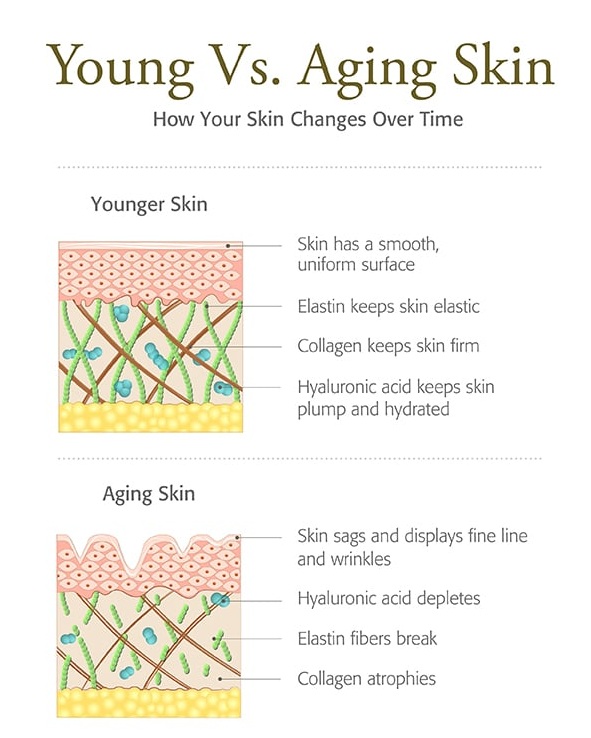
Luckily, though, there are also ways to mitigate the effects of aging. As aging skin also tends to be dry, we recommend following a dry skin care routine with a few adjustments. The best way to prevent these symptoms is by limiting sun exposure throughout your life, and protecting your skin with sunscreen. Serums, oils and concentrates containing botanical peptides, hyaluronic acid and natural retinol alternatives will help plump, lift and firm skin. Antioxidant-rich products will provide additional benefits by protecting skin and minimizing the damage done by environmental stress and free radicals.
Antioxidants like vitamin E and vitamin C can help to fight free radicals, electric charges in the skin which are created as a response to sunlight, pollution, smoking, and other environmental factors. Free radicals are a major cause of skin aging; so by supplying your skin with antioxidants, you can help to support your skin health and combat the symptoms of aging. You can do this both through your diet and by using antioxidant-rich skincare products, such as Multi-Vitamin + Antioxidants Ultra Riche PM Treatment and Multi-Vitamin + Antioxidants Potent PM Serum.
Skin resurfacing procedures, such as dermaplaning and microdermabrasion, may also make a difference for aging skin. Ultimately, though, aging is a part of life and while there are definitely steps you can take to keep your skin looking healthy as you age, it’s important that you wear your age with pride!
Lack Of Firmness
An additional side effect of aging is loss of firmness. Over time, the muscles throughout the body, including the face, can lose their tone and elasticity. As muscle fibers and elastin begin to lengthen as a result of aging, lifestyle and nutrition, the skin can start to sag. And, lacking strength and elasticity, it loses the ability to bounce back. The result is drooping of the eyebrows and eyelids as well as looseness and fullness (jowls) under the cheeks and jaw.
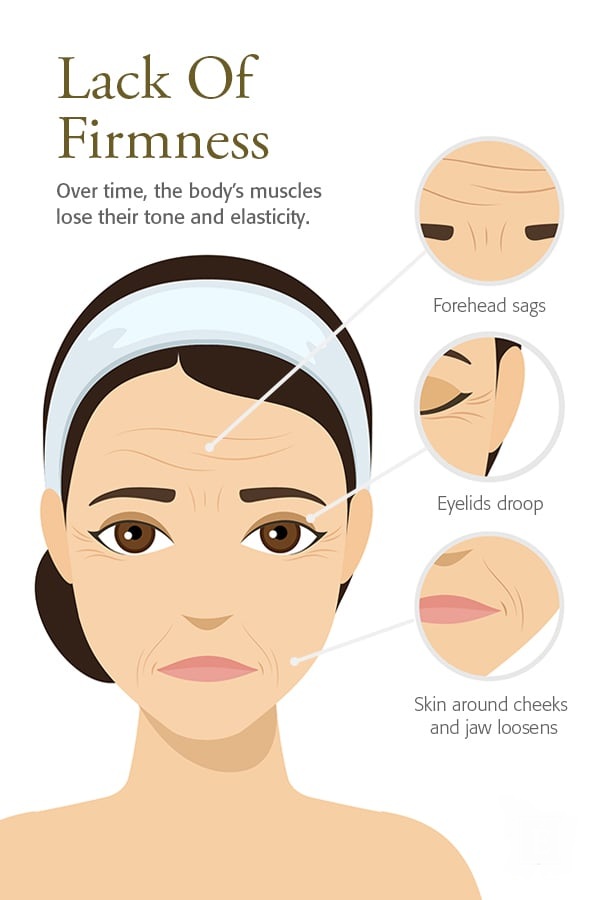
Lack of firmness can be treated with a targeted skin care routine that improves skin tightness and elasticity. Adjust your aging skin routine to include face masks and moisturizers that contain natural firming agents like bamboo. Facial massage techniques can also be beneficial in toning the muscles beneath the skin, keeping them healthy and firm.
One effective way to treat lack of firmness in the skin is through the use of skincare products that contain ingredients known to promote collagen production and enhance skin elasticity. Look for products containing retinoids, peptides, and vitamin C, as these ingredients can help stimulate collagen synthesis and improve the overall texture and firmness of the skin.
In addition to using targeted skincare products, adopting a healthy lifestyle can also make a significant difference in skin firmness. Eating a balanced diet rich in antioxidants, staying hydrated, getting enough sleep, and protecting the skin from sun damage by wearing sunscreen daily can all contribute to maintaining firm and youthful-looking skin. Furthermore, incorporating regular exercise into your routine can help improve circulation and promote skin firmness by increasing muscle tone and reducing the appearance of sagging skin.
For more advanced concerns, consulting with a dermatologist or skincare professional can provide personalized recommendations and treatments tailored to your specific needs.
Hyperpigmentation
Hyperpigmentation is one of today’s leading skin concerns and is characterized by the appearance of dark spots, freckles, scarring or an uneven skin tone. This condition is induced by an increase in melanin production by the skin’s melanocytes, caused by a number of factors including sun exposure, stress, aging, hormonal changes and post-inflammatory pigmentation. Hyperpigmentation can affect any skin type and widely varies in severity. However, there are effective ways to address and treat hyperpigmentation for a more even and radiant complexion.
One of the most important steps in treating hyperpigmentation is consistent sun protection. Applying a broad-spectrum sunscreen with an SPF of 30 or higher daily can help prevent further darkening of existing spots and protect the skin from harmful UV rays. Additionally, incorporating brightening ingredients into your skincare routine can help fade dark spots over time. Look for products containing ingredients such as vitamin C, niacinamide, kojic acid, and licorice extract, which work to inhibit melanin production and promote a more even skin tone.
This is one of the most difficult skin conditions to treat and requires dedication and consistency with a targeted skin care routine. Certified Esthetician Alicia Hawthorne advises: “Look for serums and moisturizers that contain ingredients that help to brighten and prevent pigmentation or assist with resurfacing the skin.” These include stone crop and natural hydroquinone alternatives as well as licorice root, willow bark, arbutin and zinc hyaluronate.
Sun Damage
UV exposure can result in both temporary and long term damage to the skin. One of the most common conditions as a result of sun exposure is immediate dehydration and painful, itchy redness. Over time, accumulated exposure can permanently stretch small blood vessels, leading to a red and blotchy complexion. This common skin concern can also manifest as premature aging, dark spots, uneven skin tone, and in severe cases, skin cancer.
However, there are effective ways to treat and prevent sun damage for healthier and more radiant skin. Prevention is key, and daily application of a broad-spectrum sunscreen with an SPF of 30 or higher is essential to protect the skin from harmful UV rays. To minimize efficiently and prevent the negative effects of sun exposure, keep skin protected and hydrated year-round. Apply an SPF moisturizer or mineral powder sunscreen daily and protect your body from head-to-toe with natural body sunscreens. After exposure, replenish lost moisture with deeply hydrating balms and body lotions.
Additionally, wearing protective clothing, seeking shade, and avoiding sun exposure during peak hours can help minimize the risk of sun damage. To address existing sun damage, incorporating antioxidants such as vitamin C and vitamin E into your skincare routine can help neutralize free radicals and repair skin cells.
Treatments such as chemical peels, microdermabrasion, and laser therapy can help improve the appearance of sun-damaged skin by promoting cell turnover and collagen production.
Dullness
Dull skin is characterized as skin that has lost its natural radiance. It looks tired, ashy, lackluster, patchy or dry — qualities due to determining factors. These factors include environmental or lifestyle choices, like a poor diet, insufficient exercise, seasonal changes or sun exposure. The two most common reasons are a buildup of dead skin cells, and a lack of oxygen supply in the skin.
If your skin is looking dull due to a buildup of skin cells, this is a fairly simple problem to solve. Just try to add a mechanical or chemical exfoliant to your skincare routine. You can use an exfoliating scrub two to three times a week, or a stronger peel once every week or two. Exfoliation will help to banish dead skin cells, revealing the healthy, glowing skin below.
If your skin is looking dull because it’s not getting enough oxygen, then you may want to take steps to improve your circulation. These can include getting enough exercise and eating a balanced diet.
One of the most effective ways to revive tired-looking skin is a diet rich in nutrients and antioxidants, which can improve the skin’s natural radiance. Similarly, adding antioxidant-rich products to your skin care routine can also improve the appearance of a dull complexion. Skin care products with superfruit ingredients, like mangosteen, provide unique and potent antioxidants that give the skin a more luminous appearance. Besides that, we recommend treating it with our line of Fermented Rice Water products. These products feature fermented rice water (aka sake) because of its high content of vitamins, minerals, and healthy proteins. These vital nutrients will deeply nourish your skin, helping to boost its luster and encourage a healthy, vibrant complexion.
Whatever the cause of your skin concerns, staying hydrated, getting enough sleep, and managing stress may help to reduce your symptoms. And the good news is that it can be alleviated over time with results-driven skin care that keeps skin clear and healthy.