
You may have come across the word “holistic” in conversations about wellness, self-care, healthy living, or personal growth. It is often used to describe everything from nutrition and exercise to mental health and spirituality, but the idea behind it is much broader. At its simplest, a holistic approach asks us to look at life as a whole and notice how different parts of our lives affect each other.
The way you sleep can influence your mood, your mood can affect your relationships, and the stress you carry through the day can change how your body feels. Your surroundings, habits, beliefs, and daily choices all become part of the same picture. Once you begin to see these connections, health and well-being become less about fixing isolated problems and more about understanding what your whole life needs.
A holistic lifestyle does not require a strict system or a perfect routine. There is no universal formula that everyone has to follow. Instead, it encourages you to pay attention, understand your own needs, and make choices that support your health, happiness, relationships, and sense of purpose. Over time, these choices can bring more clarity, energy, emotional balance, and meaning into everyday life.
At its heart, holistic living responds to a simple human desire: we want to feel well, balanced, connected, and comfortable with the way we are living. When life becomes filled with work, notifications, responsibilities, and constant demands for our attention, it is easy to lose touch with ourselves. A holistic approach encourages us to slow down, look at the bigger picture, and create a life in which the different parts support rather than undermine each other.
What Does “Holistic” Actually Mean?
The word holistic comes from the Greek word holos, meaning “whole,” “complete,” or “entire.” The concept of holism suggests that a system cannot always be understood by examining its separate parts one at a time. The relationships between those parts matter just as much as the parts themselves.
In simple terms, holism assumes that everything is connected. You cannot fully understand the mind without considering the body, or the body without considering emotional and environmental influences. Each part affects the others, often in subtle but powerful ways. That’s why holistic approaches emphasize integration rather than fragmentation.
Think about your own health. You cannot fully understand how you feel physically without considering factors such as sleep, stress, food, movement, emotions, and your surroundings. The same applies to many other areas of life. Your work affects your schedule and stress levels, your relationships affect your emotions, and your emotional state can influence your motivation, habits, and even the way you care for your body.
The idea is used in many fields, including medicine, psychology, ecology, and education. In each case, the goal is to see the larger system instead of focusing too narrowly on a single part. When we bring this way of thinking into everyday life, holism becomes less of a philosophical concept and more of a practical habit. You start noticing how your food, thoughts, emotions, relationships, routines, and environment come together to shape the way you experience life.
Holistic Health and Its Ancient Roots
One of the best-known applications of holism is holistic health. This approach considers the relationship between the body, mind, emotions, and spirit and looks beyond a single symptom or diagnosis. The broader question becomes, what does your body and your life need to support health, resilience, and a sense of balance?
The idea itself is much older than modern wellness culture. Holistic health has deep roots in traditional medical systems, particularly Ayurveda in India and Traditional Chinese Medicine in East Asia. Both traditions have been practiced for thousands of years and developed around the idea that health depends on balance within the body and on the relationship between people and their surroundings.

In Ayurveda, health is connected with food, daily habits, emotional patterns, lifestyle, and our relationship with nature. Traditional Chinese Medicine places strong emphasis on the flow of energy, the balance of opposing forces, and harmony with natural cycles.
Modern medicine has developed enormously, with sophisticated diagnostic tools, treatments, and technologies that ancient medical systems could not have imagined. At the same time, some ideas associated with traditional approaches continue to influence modern wellness practices, particularly the idea that health involves more than treating an isolated symptom. Sleep, nutrition, movement, stress, emotional health, and the environment can all affect how we feel and function.
Core Principles of Holistic Approaches
Holistic living can look quite different from one person to another, but several basic ideas tend to appear again and again.
The first is interconnectedness. Our physical health, mental state, emotions, relationships, work, and environment constantly influence each other. A stressful period at work, for example, may lead to poor sleep, less movement, emotional irritability, and changes in eating habits. Looking at these effects together gives you a clearer picture than treating each one as a separate issue.
The second principle is balance. Holistic living does not require extreme discipline or an endless list of rules. It encourages a sustainable rhythm that leaves room for work, rest, relationships, physical activity, pleasure, and reflection.
Then there is integration. Different approaches can work together rather than forcing you to rely on a single solution. Good nutrition can exist alongside medical care, exercise, therapy, creative activities, time outdoors, and spiritual practices.
Finally, there is personalization. What helps you feel balanced may not work for someone else. Your age, health, responsibilities, preferences, values, and circumstances all influence what a healthy lifestyle looks like.
Together, these principles create a flexible framework rather than a rigid doctrine. Holistic living does not tell you exactly how to organize every part of your day. It encourages you to observe what is happening in your life, understand the connections, and make thoughtful choices.
How Do You Apply Holism in Everyday Life?
The idea can sound quite abstract until you bring it into ordinary situations. When your schedule is already full, the thought of completely changing your lifestyle may feel unrealistic. Fortunately, holistic living does not require you to rebuild your life overnight.
Awareness is a good place to begin. Start paying attention to patterns rather than looking at isolated moments. Notice what you eat and how you feel afterward. Pay attention to the way you sleep, how much you move, what thoughts repeatedly occupy your mind, how you respond to stress, and which relationships leave you feeling supported or drained.
Your mindset matters here because observation gives you more choices. When you notice your habits without immediately judging yourself, you can begin to understand what they are doing to you. Perhaps you notice that certain foods leave you tired, that too much social media makes it harder to concentrate, or that difficult conversations continue to affect your mood long after they are over.

Once you see these connections, you can make small adjustments. You might replace an evening of endless scrolling with reading, take a walk after work, change your bedtime routine, or create more space for conversations with people you care about. None of these choices has to be dramatic to make a difference.
There are also plenty of misconceptions about holistic living. It is sometimes associated with extreme diets, strict routines, complicated spiritual practices, or a complete rejection of conventional medicine. None of that is required.
At its most practical, holistic living means looking at your life as a connected whole and making choices that support your health, happiness, relationships, and sense of purpose. What you do in one area often affects another, so the goal is to understand those connections and use them to your advantage.
There is no single blueprint for a holistic life, but certain habits tend to fit naturally into this way of living.
You might start with the way you care for your body. That can mean eating nutritious, balanced food and choosing forms of movement that you genuinely enjoy. Walking, swimming, yoga, dancing, cycling, or strength training can all become part of a healthy lifestyle. The point is to find activities that work with your body and your life instead of forcing yourself through routines you dislike.
A holistic lifestyle also leaves room for curiosity and pleasure. Making time for music, art, reading, gardening, cooking, travel, learning, or another personal interest gives your life experiences beyond work and routine responsibilities. These activities can provide enjoyment while also supporting a sense of identity and purpose.
Connection with other people matters as well. Contributing to your community, helping someone, volunteering, supporting a meaningful cause, or simply being attentive in your relationships can give everyday life a stronger sense of meaning. Purpose does not always come from a grand mission. It can grow through small actions that reflect what you value.
Nature is another part of the picture. Spending time outdoors, choosing products thoughtfully, appreciating seasonal food, and becoming more aware of the natural world can change the way you relate to your surroundings. Instead of treating nature simply as a source of things we consume, holistic living encourages a greater sense of reciprocity and responsibility.
At a deeper level, this approach also invites you to slow down. Ritual can be part of that process, although it does not have to involve anything formal or religious. A quiet morning coffee, a walk without your phone, preparing a meal with care, writing in a journal, or sitting quietly at the end of the day can become a small ritual of presence.
These moments create space to simply be, rather than constantly moving from one task to the next. In a culture that often rewards speed and productivity, that pause can be surprisingly valuable.
The Four Dimensions of Holistic Living
A holistic lifestyle usually brings together four closely connected areas: physical, mental, emotional, and spiritual connection. They overlap constantly, and when they support each other, life can feel more coherent and grounded.
Physical Health and Well-Being
Physical health, from a holistic perspective, goes beyond following a strict fitness program or trying to achieve a particular appearance. It begins with treating your body with attention and respect.
Intuitive movement is one example. Instead of exercising only because you feel pressured to meet a certain standard, you can choose activities that suit your body and your current condition. Yoga, walking, dancing, swimming, or strength training can all be useful, depending on what you enjoy and what your body needs.

Food can be approached in a similar way. Nourishing yourself becomes more than completing another daily task. Preparing a meal with care, choosing nutritious ingredients, and eating without rushing can turn an ordinary meal into a moment of self-care.
Rest deserves the same attention. Quality sleep, regular routines, time outdoors, stretching, breathing exercises, and other calming practices can help your body recover from everyday demands. A holistic approach asks you to notice how your body actually feels instead of judging your health only by appearance or productivity.
Mental Health and Well-Being
Your mind needs care too, especially when information is available almost constantly. Holistic living encourages you to become more selective about what you allow into your mental space.
Constant exposure to news, social media, notifications, and online arguments can leave little room for quiet thought. Reducing that stimulation can make it easier to concentrate and reflect. Reading a good book, spending time in silence, having thoughtful conversations, writing, or simply allowing yourself to sit without a screen can give your mind a different kind of nourishment.
The same principle applies to work. Being busy all day does not automatically mean you are using your time well. A healthier approach to productivity includes focused periods of work, regular mental breaks, and enough space to recover.
Even small changes can help. You might decide to check messages at specific times instead of constantly reacting to them, take a short walk between tasks, or leave a few minutes of quiet between work and the rest of your evening. These choices help create a clearer boundary between constant activity and genuine rest.
Emotional Health and Well-Being
Emotional health connects many of the other areas together, yet it is often pushed aside when life becomes busy. Holistic living encourages you to notice your emotions, name them, and give yourself a chance to understand what they are telling you.
That does not mean reacting to every emotion immediately. It means becoming familiar with your own emotional patterns. Journaling can help, as can therapy, creative activities, meditation, or simply checking in with yourself during the day.
Relationships matter here as well. Healthy boundaries allow you to protect your time and emotional energy. Sometimes that means saying no, asking for space, or stepping away from relationships that repeatedly leave you feeling exhausted or disrespected.
At the same time, emotionally healthy relationships give you room to be honest, vulnerable, and accepted. Choosing supportive people and environments can make it easier to rest, recover, and stay connected to yourself.
Spiritual Growth and Well-Being
Spirituality gives the other dimensions a deeper sense of meaning and direction. It does not have to be connected to a particular religion. For some people, spirituality comes through faith, while for others it may grow from a connection with nature, humanity, creativity, service, or a sense of purpose larger than everyday concerns.
Simple practices can create this connection. Gratitude, quiet reflection, prayer, meditation, time outdoors, or a peaceful morning walk can all become ways of stepping back from the noise of daily life.

Living according to your values is another practical expression of spirituality. When your decisions about work, relationships, spending, consumption, and the way you treat others reflect what you genuinely believe, life tends to feel more coherent. Your values become a quiet guide for everyday choices rather than an abstract set of ideas.
Why Holistic Habits Matter Today
Our lives can easily become fragmented. Work takes one part of the day, screens take another, responsibilities compete for our attention, and there may be little time left to notice how everything is affecting us. Many people also deal with long periods of stress, tiredness, emotional exhaustion, and burnout while trying to keep up with everyday demands.
This is where simple holistic habits can help. They give you a way to step back from constant reaction and pay attention to the foundations of your well-being. Food, movement, sleep, relationships, emotional health, mental stimulation, and time for reflection all deserve a place in the picture.
You might already familiar the physical benefits. A balanced diet, regular physical activity, and sufficient sleep support normal body function and can reduce the risk of many chronic health problems. Practices such as mindfulness and spending time in nature can also help with stress and mood, while meaningful social connections provide emotional support.
Emotional resilience develops in much the same way. When you have healthy ways to process difficult feelings and maintain supportive relationships, stressful situations can become easier to handle. You may still have difficult days, but you have more resources to recover from them.
Spiritual connection can provide another source of stability, particularly when life feels uncertain. A clear sense of values and purpose can help you decide what deserves your time and energy instead of allowing every outside demand to make that decision for you.
Holistic living can also support more sustainable energy. When you nourish your body, sleep enough, take breaks, and respect your limits, you have less reason to depend on constant stimulation just to get through the day. Energy becomes something you maintain through everyday care rather than something you repeatedly try to recover after pushing yourself too far.
The same idea applies to health as a whole. Rather than waiting for a problem to appear and then addressing it in isolation, daily habits can create a stronger foundation for long-term well-being. Regular movement, nutritious food, adequate sleep, stress management, meaningful relationships, and time for recovery all contribute to a healthier lifestyle.
Research into practices such as meditation, physical activity, gratitude, and mindfulness has also found links with better physical and psychological well-being. These practices are not magic solutions, and they cannot replace appropriate medical care when it is needed. They are simply tools that can become part of a broader approach to caring for yourself.
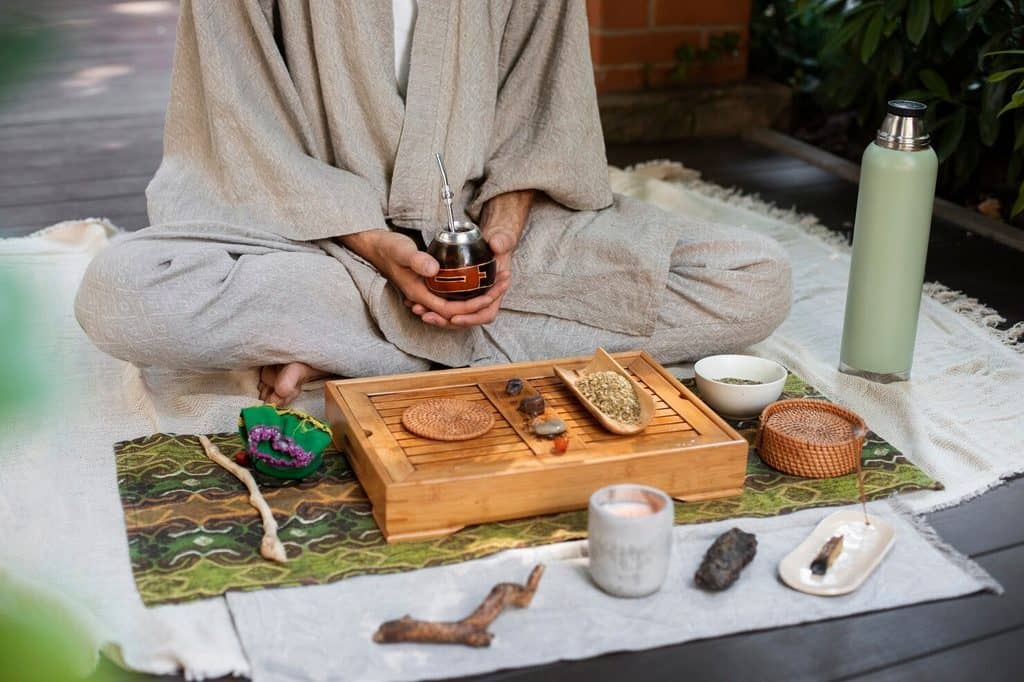
Most importantly, holistic living does not require you to change everything at once. Trying to overhaul your entire lifestyle can create more pressure, which defeats the purpose. A better approach is to start with one or two changes that feel realistic and meaningful, then build from there.
Perhaps you begin by improving your sleep. Maybe you spend more time walking, cook more meals at home, reduce your social media use, reconnect with a friend, or create ten quiet minutes at the beginning or end of your day. Small choices can reveal connections you may not have noticed before. Better sleep may improve your mood, which makes exercise easier, which gives you more energy, which changes how you approach the rest of your day.
That is the holistic idea in everyday life. Everything does not have to be perfect. The goal is to create a life in which the different parts work together more naturally.
Holistic living is ultimately about seeing the whole picture. Your body, mind, emotions, relationships, surroundings, and sense of meaning are closely connected, and what happens in one area can influence what happens in another. Paying attention to these connections gives you a more complete way to understand your well-being.
This approach also encourages a different pace of living. Instead of constantly looking for quick solutions or pushing yourself to do more, you begin to notice what your body needs, what your mind can handle, which relationships nourish you, and whether your daily choices reflect your values.
You do not need a perfect routine or a dramatic lifestyle change. Holistic living can begin with something as simple as sleeping better, eating more thoughtfully, taking a walk, spending time with someone you love, turning off your phone for a while, or giving yourself a few quiet minutes to reflect.
Over time, these small choices can create greater balance and a stronger sense of connection between how you live and how you want to feel.
Holistic living is an ongoing relationship with yourself, built through awareness, care, and intention. In a life that can easily feel scattered, creating that sense of wholeness can make everyday living healthier, calmer, and more meaningful.