
Pros and Cons of Living in an Apartment or a Private Home in the Countryside
To feel truly at home, people need more than just square meters. They need associations with something warm, cozy, and safe. It often happens that people who have always lived in an apartment dream of owning a house, while those who have lived in a house dream of moving into an apartment. But what is behind this desire?
A lack of experience can make the decision difficult because it is not always easy to objectively weigh all the advantages and disadvantages of each option.
Anyone planning to buy a home eventually faces the same question: Where is it better to live — in a house or an apartment?
There is no universal answer to the question of whether it is better to live in an apartment or a house. Each of us has different priorities and different expectations when choosing a place to live. The right choice depends on your lifestyle, priorities, family situation, budget, work, and even how much time and energy you want to devote to your home.
So, let’s look at the pros and cons of living in an apartment and a private house. We will compare the main advantages and disadvantages of both options to help you understand which one may be the better fit for you.
Advantages and Disadvantages of Living in an Apartment
Pros of Living in an Apartment
Convenient Transportation and Walkability
One of the most important advantages of apartment living is easy access to transportation and everyday destinations. You can comfortably live in an apartment without owning a car, relying on public transportation whenever you need it.
Depending on the location, shops, pharmacies, cafés, restaurants, schools, workplaces, entertainment venues, and other essential services may all be within walking distance or just a short trip away.
Well-Developed Infrastructure
When deciding whether a house or an apartment is the better choice, infrastructure is one of the most important factors to consider. In an urban environment, you usually have access to a wide range of services and facilities.
This can be especially important if:
You are an active person who doesn’t like spending much time at home.
If you are not a homebody and enjoy going out, visiting entertainment venues, going to the cinema, meeting friends, or simply being around people, you may find life outside the city too quiet or isolated.
Your child’s school or kindergarten is important to you.
When you live outside the city, even in a village or settlement with relatively good infrastructure, your choice of educational institutions may be much more limited.
If you want your child to attend a school with a particular specialization, a lyceum, or another specific type of educational institution, you may have to drive them to and from the city every day.
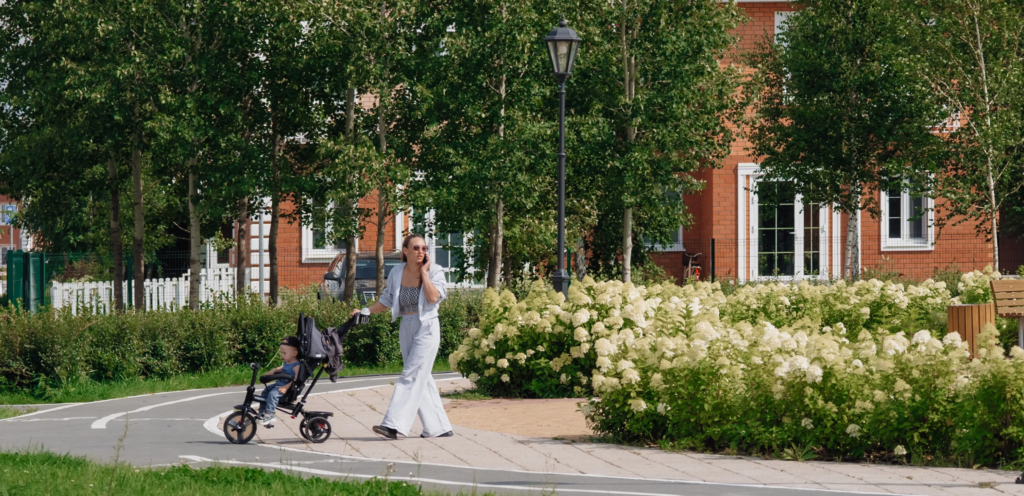
Urban living also gives you easier access to a wide range of hobbies and activities. You can join a fitness club, attend yoga classes, take music or dance lessons, and explore many other interests. Outside the city, the choice may be more limited.
Of course, everything depends on your particular hobbies. If you enjoy embroidery, painting, reading, or playing computer games, for example, living outside the city may not be a problem at all.
A Property Management Company
One of the conveniences of living in an apartment building is that you don’t have to deal with every maintenance task yourself. A property management company usually takes care of things such as cleaning common areas, maintaining the building and surrounding grounds, removing garbage, and dealing with various building-related issues.
If there is a problem with the utilities or building systems, you can usually contact the management company and arrange for a technician to come and fix it.
In a private house, many of these responsibilities fall directly on the homeowner. You may need to solve problems yourself or hire specialists, which can lead to unexpected expenses.
Utilities Are Usually Already in Place
When you buy an apartment, the necessary utilities and connections are generally already installed. Electricity, water, heating, sewage, and other essential systems are ready to use.
Installing utilities in a private house can be expensive and can require considerable time, effort, and planning.
However, this is not always the case. Many modern cottage communities and residential developments already have the necessary utility connections, so this factor should be considered on a case-by-case basis.
Relatively Lower Maintenance Costs
When comparing the cost of an apartment and a private house, people sometimes focus only on the purchase price and forget about the ongoing cost of maintaining the property.
In general, maintaining an apartment is less expensive than maintaining a private house. Once you have renovated your apartment, you may not need to spend much on major maintenance for quite some time.
You are also not responsible for maintaining a private yard, repairing the exterior of the building, caring for a large plot of land, maintaining a garage, or dealing with all of the property’s utility systems yourself.
An Apartment Can Be a More Convenient Investment
An apartment can be a relatively attractive real-estate investment because apartments are often easier to sell or rent than suburban properties. Demand for urban apartments can be strong, particularly in desirable locations close to employment centers, transportation, schools, and services.

However, this depends heavily on the local real-estate market, so it is important to consider the location, property condition, demand, and long-term market trends rather than assuming that every apartment will automatically be a better investment.
Potentially Easier to Secure
There is a common perception that an apartment is less likely to be burgled than a private house. Living in a multi-story building can provide an additional layer of security, especially when the building has controlled access, security systems, or nearby neighbors. However, a private house can also be made highly secure. A property located in a guarded residential community may have a very low risk of burglary. Homeowners can also install alarms, security cameras, lighting, gates, and other security measures.
In other words, security depends not only on whether you live in an apartment or a house, but also on the location and the security measures you choose.
Cons of Living in an Apartment
Limited Living Space
Perhaps the biggest disadvantage of apartment living is limited space.
First, for the same amount of money, you may be able to buy either a house or an apartment with significantly less living space. If you have a large family, a private house may provide considerably more room and greater comfort.
Second, if you simply enjoy having plenty of space—or if you are already accustomed to suburban living—you may find an apartment restrictive.
Another limitation is that it can be difficult to expand an apartment when your needs change. With a private house, you may have the option of adding an extension, converting an attic, or otherwise expanding the usable space, depending on local regulations and the property itself.
Third, limited space can make storage a challenge. Large or bulky items may have nowhere to go, and the balcony often ends up becoming an improvised storage area.
Limited Freedom to Create Your Own Layout
Although modern apartments come with many different layouts, they still cannot always compete with the freedom of designing a private house from the ground up.
When building your own home, you can plan the rooms according to your lifestyle and priorities. You can decide how large the kitchen should be, where the bedrooms should be located, whether you need a home office, how much storage you require, and how the different areas of the house should connect.
In an apartment, you are generally working within an existing structure, and major changes to the layout may not be possible or practical.
No Private Yard
During the warmer months, apartment living can feel less appealing if you enjoy spending time outdoors.
Without your own yard, you may need to travel outside the city to spend time in nature, meet friends for a barbecue, go fishing, relax outdoors, or simply enjoy some peace and fresh air.
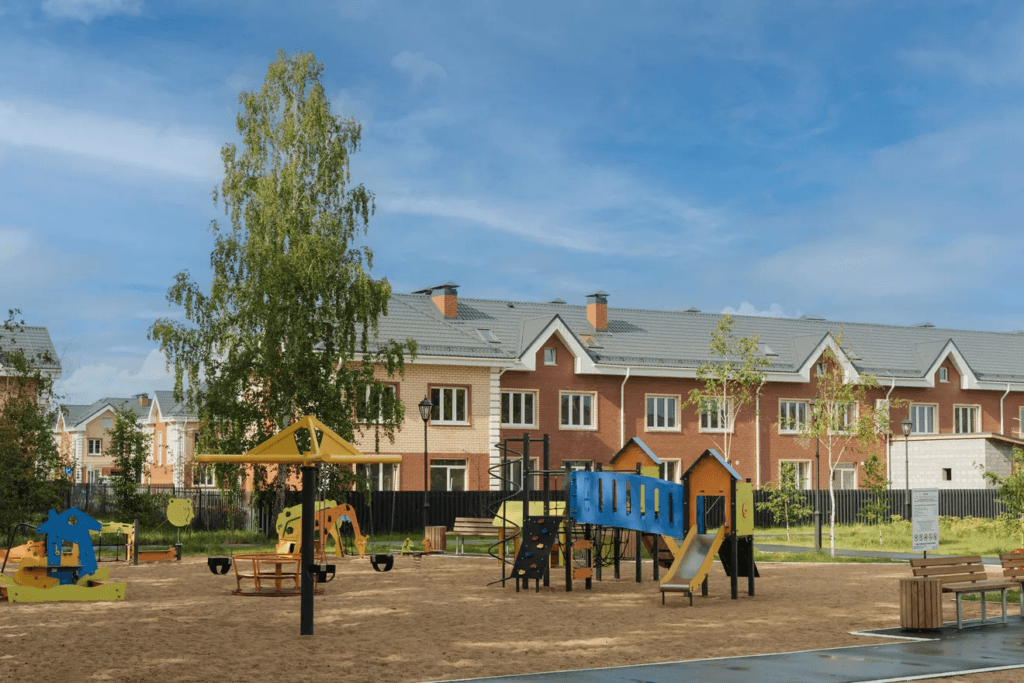
A private house gives you immediate access to your own outdoor space. You can have a garden, terrace, patio, playground, outdoor dining area, or simply a quiet place to sit outside.
Higher Price per Square Meter
Apartments and private houses with the same floor area can differ significantly in price. In many markets, apartments in desirable urban locations have a higher price per square meter than houses located farther from the city.
This is one reason why buyers should compare not only the total purchase price but also how much usable space they are getting for their money.
Neighbors
For some people, having neighbors on the other side of the wall is a major disadvantage.
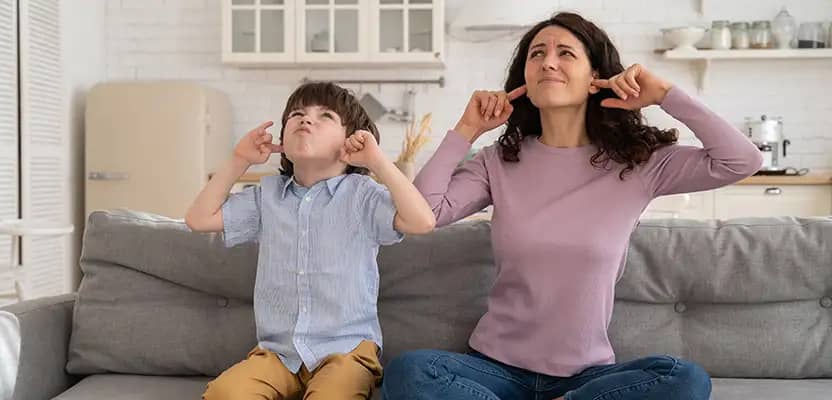
You cannot choose your neighbors, and they may create unwanted noise through loud conversations, music, arguments, parties, renovations, or other everyday activities. Of course, you may be lucky enough to have quiet and considerate neighbors, but apartment living also means that you have to be mindful of your own noise, particularly during late hours.
There can also be more serious problems. A neighboring apartment could experience a water leak, fire, or gas-related accident, potentially damaging your property or even putting your safety at risk.
The opposite can also happen: if you accidentally cause a leak or another problem, you may have to compensate your downstairs neighbors for damage to their property or newly renovated apartment.
Limited Parking
If you live in an apartment, having a garage or dedicated parking space can be expensive. Otherwise, you may have to compete for a parking spot in a crowded courtyard or on the street.
Overcrowded parking areas are another common disadvantage of urban apartment living.
The problem can be reduced if the building offers private parking spaces or an underground garage, but these options often come at an additional cost.
Dependence on Utility Services
Having professional utility services is convenient, but it also means that apartment residents depend on other organizations for essential services.
You may have to wait for the heating to be turned on in autumn while your apartment is cold, or wait for pipes to be repaired during the summer and temporarily manage without running water if you don’t have a mini water tank built-in.
Another issue is that utility costs continue even when you are away for an extended period. Depending on the billing system and local regulations, you may still have to pay for services you are not actively using.
Urban Environmental Conditions Can Be Worse
Another potential disadvantage is the urban environment itself.
Air quality can be worse in densely populated cities, particularly in heavily trafficked central areas. Noise, traffic, pollution, limited green space, and a generally faster pace of life can all affect how comfortable a person feels.
For people who value clean air, quiet surroundings, nature, and more open space, life outside the city may be much more appealing.
Utility and Building Maintenance Fees
Apartment living also comes with regular utility and building-related payments.
Depending on the country and building, residents may pay for common-area maintenance, major building repairs, elevators, cleaning, waste collection, heating, water, and other services.
Some charges may feel unnecessary to individual residents. For example, a person living on the first floor may rarely or never use the elevator but may still have to contribute to its maintenance.
These ongoing expenses should therefore be included when calculating the true cost of apartment living—not just the purchase price of the property.
Advantages and Disadvantages of Living in a Private House
Pros of Living in a Private House
More Living Space
As mentioned above, if you need more space, a private house can offer significantly more living area for the same budget. If you have a large family or simply enjoy having plenty of room, you may find a house much more comfortable than an apartment.
A larger home gives you the opportunity to have a storage room, walk-in closet, several bedrooms and bathrooms, a home office, or other spaces that may be difficult to fit into an apartment.
Your Own Parking Space
Having your own plot means you can build a garage or simply park your car in your own yard.
This can be a major advantage for families with more than one vehicle, especially if parking is difficult or expensive in the city.
Your Own Private Yard
One of the biggest advantages of living in a private house is having your own outdoor space.

There are many ways to use it:
- You always have a place to enjoy the outdoors without leaving home. You can invite friends over for a barbecue, sunbathe, have lunch outside, or simply relax in the fresh air.
- You can enjoy a closer connection with nature. You can grow berries, collect fruit, go fishing nearby, or simply enjoy fresh air and peaceful surroundings every day.
- You can create a garden or vegetable patch, build an interesting play area for children, or design a cozy outdoor relaxation space.
- You can install a swimming pool or create a small decorative pond.
- You don’t have to worry as much about children playing outdoors when they are in your own enclosed yard.
- If you enjoy traditional relaxation, you can even build a sauna or bathhouse on your property, subject to local regulations.
For many people, this private outdoor space is one of the main reasons they choose a house over an apartment.
Peace and Fresh Air
Some people love the constant movement, noise, and energy of the city. However, many others appreciate being able to return to peace and quiet after a busy working day.
Living in a private house outside the city can provide exactly that: less traffic, fewer crowds, more greenery, and a generally quieter environment.
You Can Have a Large Dog
Some people dream of having a large dog but find it inconvenient to keep one in an apartment, where both the owner and the animal may feel restricted by the limited space.
A private house with a yard gives a dog much more freedom to move around. It can be especially convenient for people who want a large or active breed, although a yard does not replace regular walks and exercise.
You Can Expand the Living Space
One of the advantages of owning a house is the possibility of expanding it as your needs change.
Depending on the design of the property and local building regulations, you may be able to add a basement or additional floor, convert an attic into living space, or build an extension.
This flexibility can be especially valuable for growing families.
You Can Grow Your Own Garden
Another attractive advantage of having a private house is the opportunity to create your own garden or vegetable patch.
You can grow fresh vegetables, fruits, herbs, and berries, or simply plant flower beds and create an attractive garden around the house.

For some homeowners, gardening is more than a practical activity — it is a hobby and an enjoyable way to spend time outdoors.
Freedom to Decide How and What to Build
If you build your own house rather than buying an existing property, you have much greater control over the entire process.
You can choose the building materials, decide on the layout, determine the size and location of rooms, and incorporate features that suit your lifestyle and preferences.
This gives you the opportunity to create a home around your actual needs rather than adapting your lifestyle to an existing apartment layout.
Of course, this freedom also comes with greater responsibility. Construction requires careful planning, budgeting, supervision, and compliance with local building regulations.
Greater Independence from Utility Services
Living in a private house can give you more control over certain utilities and systems.
You don’t necessarily have to wait for the city to turn on the heating in autumn, and you may have more flexibility in choosing how your home is heated or supplied with hot water. Similarly, scheduled city-wide interruptions to hot water may not affect you if your house has its own water-heating system.
However, this independence also means that you are responsible for maintaining these systems yourself.
Cons of Living in a Private House
You Always Have to Allow Extra Time for Travel
One of the obvious disadvantages of living outside the city is the additional travel time.
You need to plan your commute to work, school, kindergarten, shops, and other places you regularly visit. If you have children, you may also need to drive them to school and extracurricular activities. This means leaving home earlier and spending more time on the road.
However, many modern residential and cottage communities are located relatively close to cities and are developing their own infrastructure, which can make suburban living much more convenient.
A Car Is Often Essential
If you are deciding whether a house or an apartment would suit you better, transportation is an important factor to consider.
Living outside the city without a car can be difficult, particularly when public transportation is limited. For a family, having two cars may even be more convenient, allowing different family members to travel to work, school, appointments, and other activities independently.
If you prefer not to depend on a car, carefully investigate public transportation options before buying a property outside the city.
Less Developed Infrastructure
When choosing a house or plot, it is important to investigate what is available nearby.
Look at the surrounding settlement and find out whether there are schools, kindergartens, shops, medical services, cafés, sports facilities, entertainment, and other services that matter to you.
Of course, suburban infrastructure may not be as extensive as what you would find in a city. But the key question is whether it provides what you actually need.
If there is a good school nearby, a few clubs or sports activities, several places to relax, and a grocery store with everyday essentials, perhaps you don’t need a huge range of services right outside your door.
More Ongoing Household Work
Compared with apartment living, a private house usually comes with more household responsibilities.
There is always something that needs attention: insulating something before winter, repairing or replacing equipment, maintaining the heating system, fixing fences, taking care of the garden, or dealing with other occasional problems.
You will also spend more time cleaning not only the house itself but also the surrounding property.
Whether this is a disadvantage depends entirely on the person. Some people see these responsibilities as an annoying burden, while others genuinely enjoy taking care of their home and property.
More Contact with Mosquitoes and Other Insects
For some people, this can be an important consideration.
If you are not particularly fond of nature — or simply prefer a life with as few insects as possible — you may find apartment living more comfortably.
During the warmer months, mosquitoes, flies, ants, and other insects can naturally become more noticeable around a private house, especially if the property has a garden or is located near trees, fields, or bodies of water.
You Have to Deal with Snow and Lawn Maintenance
The independence of private-home living also has its disadvantages.
Without municipal services taking care of your property, you may be responsible for maintaining the yard yourself. In summer, this can mean mowing the lawn, caring for plants, and keeping the outdoor area tidy. In winter, you may need to clear snow from paths and driveways.
However, this depends on the type of residential development. Some modern cottage communities have maintenance or service companies that take care of shared roads and common areas, making suburban living considerably easier.
Repairs Can Cost More Than in an Apartment
Renovating or maintaining a private house can be more expensive than maintaining an apartment, particularly when the house is new and still requires work.
You may need to invest in heating and other engineering systems, insulation, roofing, exterior finishes, landscaping, and other elements that are not usually your direct responsibility in an apartment building.
The larger the house, the more materials, labor, and maintenance it generally requires.
Roads Are Not Always Well Paved
Road conditions are another factor that should not be overlooked when choosing a property outside the city.
Some residential settlements have poorly maintained or unpaved roads, which can become particularly inconvenient during heavy rain, snow, or periods of bad weather.

If reliable paved roads are important to you, investigate the area carefully before buying. A well-developed cottage community may offer better-maintained roads and infrastructure.
Land and Property Taxes
Buying a private house also comes with additional expenses that should be included in your budget.
Depending on local laws, these may include annual property taxes and land taxes, as well as insurance and other property-related costs.
These expenses may seem relatively small compared with the purchase price, but they should still be included when calculating the long-term cost of owning a house.
No Guaranteed Relocation Program for Unsafe Housing
Another consideration is what happens if a private house becomes unsafe or uninhabitable.
In some jurisdictions, owners of private houses may not be covered by the same government relocation or replacement programs that apply to certain apartment buildings when they are officially declared unsafe.
The exact rules vary by country and local legislation, so this is something worth checking before purchasing a private property.
What Is Cheaper: Building a House or Buying an Apartment?
When asking which is cheaper — building a house or buying an apartment — the answer depends heavily on the type of house, the size and location of the apartment, the cost of land, construction materials, labor, and the level of finishing you want.
In many cases, building a house can be less expensive than buying an apartment with the same floor area, particularly when comparing suburban construction with apartments in expensive urban areas.
However, the initial cost is only part of the picture. Over time, maintaining a private house can cost more than maintaining an apartment because the homeowner is responsible for the building, land, utilities, exterior, landscaping, and repairs.
So, when comparing the two options, it is better to look at the total cost of ownership, not simply the purchase or construction price.
An Apartment May Be Better for You If:
- You don’t want to spend your time and energy maintaining a house, making repairs, or taking care of a yard and surrounding property.
- You don’t mind having neighbors nearby and, in fact, feel more comfortable being surrounded by people.
- Your workplace and the places you regularly visit are located within the city.
- You have little free time and want to minimize commuting.
- You are not particularly interested in suburban living or being close to nature.
- You value convenient access to shops, schools, entertainment, public transportation, and other urban amenities.
A Private House May Be Better for You If:
- You work remotely or have a flexible schedule. If you spend most of your day at work and commuting, you may not have enough time to actually enjoy the advantages of suburban living. In that case, a country house used mainly for weekends and holidays might be a better option.
- You value privacy, peace, and quiet.
- You are comfortable taking care of a property and don’t mind regular household maintenance.
- You want your own plot of land where you can create a garden, grow vegetables, build a sauna, or simply enjoy your own outdoor space.
- You enjoy spending time in nature and appreciate having more space around you.
- You have previous experience living in a private house and already know what suburban life is like.
- You want greater freedom to design, renovate, and organize your living space according to your own needs.
Which One Should You Choose?
Ultimately, there is no universal answer to the question of whether a house or an apartment is better.
The right choice depends on your lifestyle, priorities, budget, family situation, work schedule, and personal preferences.
If you have never lived in a private house and are unsure whether suburban life is right for you, there is a simple way to find out: rent a house for a month or two before making a purchase.
This gives you a chance to experience everyday life outside the city — not just the pleasant weekend version of it. You will discover what it is like to commute, maintain the property, shop for groceries, deal with the weather, take care of the yard, and simply live there day after day.
It may save you considerable money, time, and effort if you discover that suburban life is not actually what you imagined.