
Fashion design is so much more than just stitching pretty fabrics together. It’s a colorful, ever-evolving world where creativity meets functionality—and where lines, fabrics, and flair come together to tell a story. From the edgy streets to high-society galas, the fashion world is packed with styles for every vibe and every closet. So whether you’re dreaming of designing or just want to know your prêt-à-porter from your peplum, here’s a fun breakdown of the many fabulous types and categories of fashion design.
Avant-Garde: Where Fashion Gets Weird and Wonderful
Avant-garde fashion emerges as a realm of artistic exploration, defying conventions to make bold statements. Designers associated with the avant-garde movement challenge norms by embracing unconventional materials, asymmetrical silhouettes, and thought-provoking designs that question societal norms.
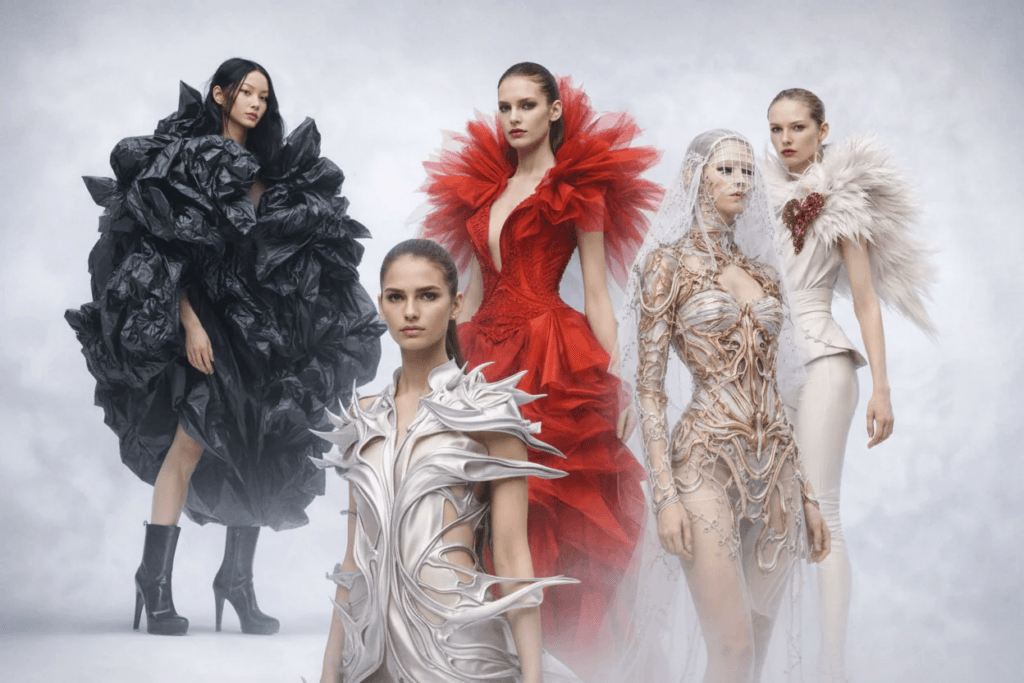
Rooted in innovation and creativity, avant-garde fashion is a platform for Designers to express their unique perspectives. Avant-garde fashion is where designers let their imaginations run wild. Think sculptural silhouettes, unconventional fabrics, and runway looks that are more like wearable art than practical outfits. It’s the land of rule-breaking and boundary-pushing—basically, where fashion gets philosophical.
Designers in this space aren’t just creating clothes—they’re making statements. This genre encapsulates the essence of artistic freedom, pushing the boundaries of fashion and inviting us to view clothing as a form of cultural commentary. They challenge norms, raise eyebrows, and turn heads. Brands and designers like Iris van Herpen or Rei Kawakubo thrive here, turning the runway into a mind-bending performance. It’s not for the faint of heart, but it’s where fashion lives on the edge.
Streetwear: From Sidewalks to Catwalks
Streetwear is a dynamic fashion genre that captures the pulse of urban culture. Born on the streets and raised by hip-hop, skate culture, and graffiti, streetwear is all about comfort with an edge. Oversized tees, statement sneakers, hoodies with attitude—this category is the uniform of the cool and the casual.
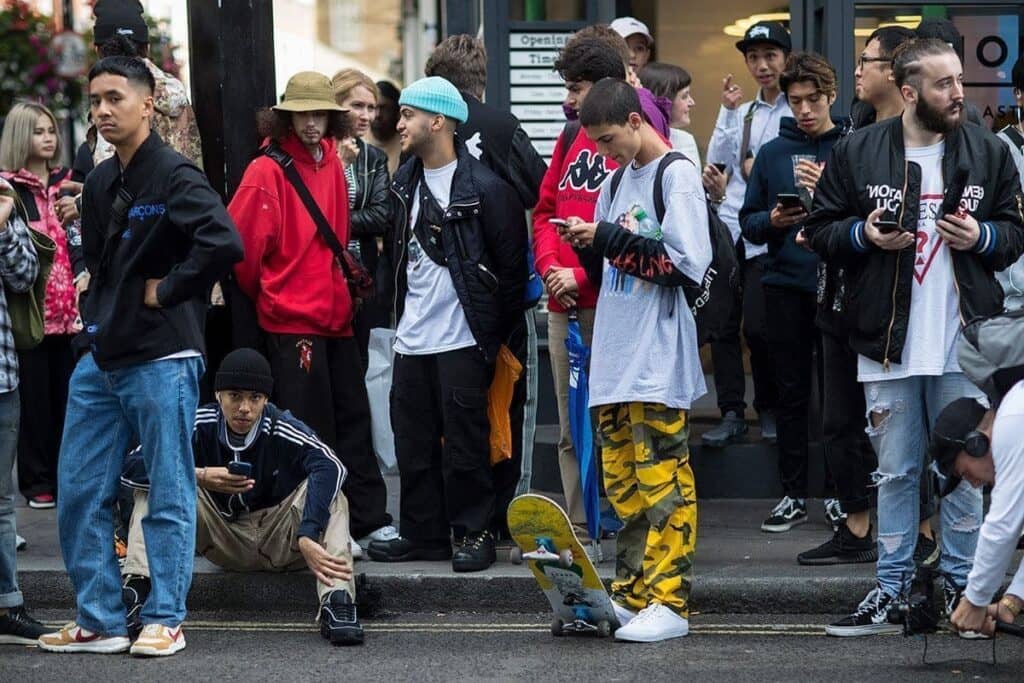
It’s a style that embraces individuality, reflecting the dynamic spirit of city life and turning everyday clothing into a canvas for urban style statements. Streetwear is less about following trends and more about starting them. It thrives on limited drops, hype culture, and bold self-expression. Think Supreme, Off-White, or the Yeezy phenomenon. If fashion had a rebel teen phase, this would be it.
Sportswear: Stylish Sweatproof Solutions
Sportswear is where fashion high-fives fitness. It’s built for movement but doesn’t skimp on style. The fashion designers who fit this profile generally make versatile pieces that may be worn for both casual and athletic activities. Fabrics used by these businesses often have materials which are more long-lasting, more pleasant, easily flexible, and remove excess any moisture and sweat that could be produced by their customers while they exercise.

Designers in the fashion and footwear industries are commonly included here. They work with performance fabrics that wick sweat, stretch effortlessly, and still look good enough for a coffee run after the gym.
From yoga pants that double as brunch pants to running shoes that work at the office (we see you, sneakerheads), sportswear now blends seamlessly into everyday wardrobes. Designed to cater to active lifestyles, sportswear blends cutting-edge fashion with functionality, offering comfort and performance. Athleisure is the MVP here, scoring points for comfort, versatility, and sheer cool factor.
Evening Wear: All Glam Everything
Evening wear is where things get fancy. We’re talking red carpet gowns, slinky cocktail dresses, and tuxedos that mean business. Customers typically reserve these designs for special evening events. Designers here play with rich fabrics, dramatic silhouettes, sequins, satins, and all things glamorous. Due to this, the fabric used to make these goods is usually more expensive than most materials, and the revenue generated from selling these items can be substantial.
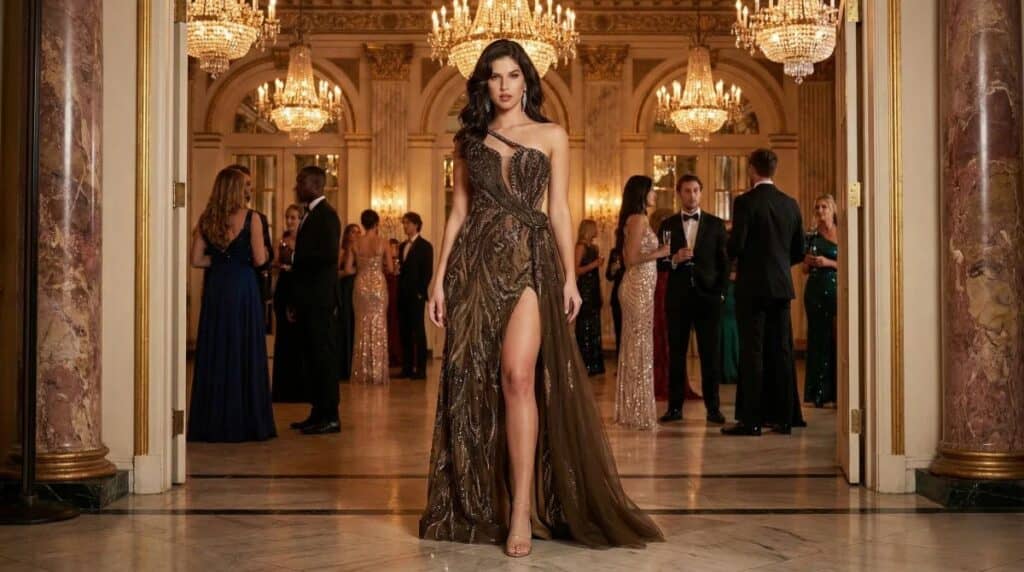
This category isn’t just about the wow factor—it’s also about craftsmanship. Whether it’s a wedding reception or a gala dinner, eveningwear designers aim to make moments unforgettable (and ultra Instagrammable).
Bridal & Wedding Fashion: Say Yes to the Dress(es)
Ah, bridal fashion—the stuff of Pinterest boards and fairytales. Bridal and wedding fashion is a realm where dreams materialize in the form of exquisite gowns, finely tailored suits, and enchanting accessories. This category is a dreamland of flowing lace, delicate embroidery, and sophisticated suiting. Bridal designers craft garments that are emotionally charged, meant to symbolize love, tradition, and personal style all at once.
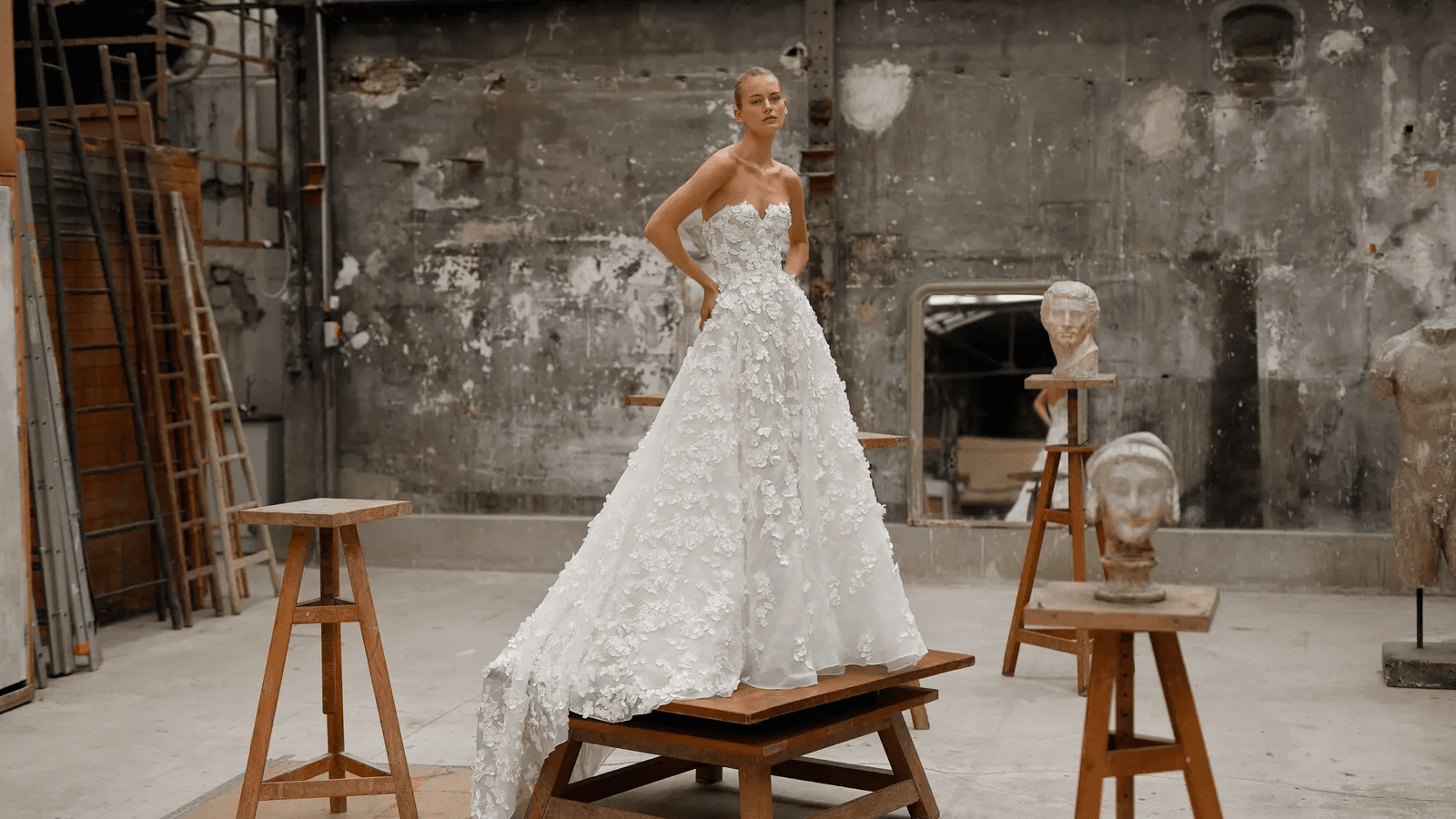
From traditional gowns with cathedral trains to modern jumpsuits for chic city brides, the possibilities are endless. These designers are responsible for turning one magical day into a lifetime memory.
Lingerie & Intimate Apparel: Confidence Under Cover
Lingerie and intimate apparel blend delicate craftsmanship with understated elegance. Designed to empower and enchant, these pieces go beyond functionality to celebrate sensuality.

Lingerie design is where sensuality meets sophistication. It’s not just about what’s visible—it’s about how it makes you feel. With delicate lace, silky textures, and intricate details, intimate apparel celebrates the wearer’s confidence, comfort, and style.
Understated yet captivating, this category evokes a sense of self-expression and grace that resonates within every thread. Whether it’s a simple bralette or a daring bodysuit, lingerie design combines artistry and intimacy. And thanks to fashion tech, these pieces are now just as functional as they are fabulous.
Childrenswear: Cute Meets Practical
Children’s fashion is playful, colorful, and loaded with comfort. Children’s wear not only adorns the young ones but also shapes their budding sense of style and self-expression, making every outfit a canvas for youthful exploration. Designers in this field create pieces that can survive juice spills, playground adventures, and growth spurts—all while keeping things adorably stylish.

Designing for kids means thinking differently: softer fabrics, safer designs (no choking hazards!), and whimsical themes.
Childrenswear design requires careful segmentation based on the age group of the child (infants, toddlers, and teens). Each group has different needs in terms of design, functionality, and fit. For example, baby clothes often prioritize comfort and ease of dressing, while clothing for older children might focus on style, trendiness, and durability. Each age group—from newborns to tweens—has its own needs, so flexibility and imagination are key. And let’s face it: tiny clothes are just plain cute.
Limited Edition Fashion: Exclusive Style Club
Limited edition designers typically cater to consumers who wish to purchase one-of-a-kind garments, footwear, and accessories at prices lower than those of haute couture. Some of the most well-known manufacturers of mass-produced goods may also offer more limited edition lines and collections that are customized in more ways than their standard mass-market offerings, but at a little higher price.

Limited edition fashion is where exclusivity meets affordability—well, sort of. These collections offer unique, sometimes experimental pieces that are produced in small quantities. They’re not quite couture, but they’re far from fast fashion.
Big brands often release limited lines to test bold ideas or collaborate with artists, and collectors love the bragging rights. It’s the “you had to be there” of the fashion world.
Traditional Clothing: Style That Stands the Test of Time
Those who are skilled in the art of fashion design often create timeless garments that remain in style for many years. Most of the time, these designers choose high-quality fabrics and materials that are both aesthetically pleasing and long-lasting in order to create their products.

Traditional fashion design honors heritage through garments that hold cultural or historical significance. These pieces often feature timeless silhouettes, natural fabrics, and enduring craftsmanship that never goes out of style.
Think saris, hanboks, kilts, or kaftans—clothing that carries stories across generations. Many traditional designs are now being reinterpreted in modern fashion, proving that cultural roots can keep up with contemporary trends.
Ethnic & Cultural Fashion: Where Heritage Meets the Runway
Ethnic and cultural fashion serves as a captivating bridge between tradition and modernity.

Closely linked to traditional clothing, ethnic and cultural fashion takes pride in diversity. Designers draw on indigenous techniques, folk art, and ancestral patterns to celebrate identity while innovating new silhouettes.
By celebrating cultural diversity through Fashion Designing, designers not only create stunning attire but also promote cross-cultural understanding and appreciation, fostering connections that transcend borders and generations from African prints to Andean embroidery, these designs are vibrant, meaningful, and often handmade with love. Fashion becomes a storytelling tool—one that fosters respect and admiration for cultures far and wide.
While traditional and ethnic fashion both stem from cultural heritage, traditional wear focuses on preserving exact historical garments and rituals. In contrast, ethnic fashion is a broader category that adapts traditional elements, fabrics, and patterns into modern, everyday styles
Sustainable Fashion: Good for You, Good for the Planet
Sustainable fashion represents a shift towards responsible and ethical design practices. By embracing eco-friendly materials, reducing waste, and advocating for fair labor conditions, sustainable fashion seeks to make a positive impact on both style and the planet.

Sustainable fashion is more than a trend—it’s a movement. This category is all about mindful materials, ethical labor, and low environmental impact. Designers here are rethinking the entire fashion system.
Organic cotton, mushroom leather, recycled fabrics, zero-waste patterns—these are the heroes of green fashion. Consumers now care where their clothes come from, and these designers are leading the charge toward a better, cleaner future. This conscious approach to fashion not only empowers wearers with timeless and thoughtful pieces but also highlights the importance of fashion designing in sparking a movement towards a more sustainable and mindful industry.
Footwear: From Soles to Style Icons
Shoes aren’t just something you walk in—they’re a whole mood. From minimalist sandals to over-the-top heels, footwear designers focus on creating shoes that combine utility with flair.

Designers in this field typically follow current fashion trends to ensure their own clothing complement the shoes they create. Some of them may collaborate with garment designers to create structural elements that enhance the clothes.
Some specialize in athletic performance, others in high fashion. Some even offer custom sneaker drops. And with the sneaker culture boom, shoe design has carved out a whole fashion category of its own. A good pair of shoes can anchor an outfit or become the centerpiece—just ask Cinderella.
Accessories: The Cherry on Top
The accessories and jewelry that these designers produce include things like scarves, hats, wallets, and eyewear in addition to the more commonplace necklaces, bracelets, and stud earrings. Typically, designers in the accessory sector are responsible for coming up with interesting and attractive designs for goods that are not considered to be clothing or garments.

Accessories are the unsung heroes of every outfit. Hats, scarves, bags, belts, sunglasses, jewelry —you name it. Accessory designers add the finishing touch that turns a basic outfit into a signature look.
These designers work with leather, metal, fabric, beads, and everything in between to craft wearable art. Collaborations between accessory designers and fashion houses are increasingly common, proving that even the smallest items can make the loudest statement.
Accessories to clothing, such as jewellery, are the main emphasis of fashion accessory designers. These designers in the fashion industry create a wide array of jewellery, hats, scarves, handbags, and other small leather goods that are worn or carried by their clients.
Some Other Types Of Fashion Styles
Bohemian
Bohemian fashion, commonly called “boho” or “boho chic,” takes its cues from the hippie movement of the 1960s as well as the lifestyle of music festivals. The process makes use of earth-based hues, natural materials and dyes, and global patterns and embellishments.

Bohemian fashion is characterized by loose-fitting, floor-length dresses, skirts, and slacks; bell bottoms; broad brimmed hats; fringe; suede; and slouchy, leather handbags.
Grunge
Thrift shop discoveries, including plaid flannel shirts, baggy knits, and flirty dresses, are dressed in a provocative, disorderly way to define the grunge style. The grunge music and subculture that developed in Seattle in the ’80s and ’90s served as inspiration for this style of apparel.

A typical grunge outfit would include a messy hairdo, ripped jeans or stockings, and a pair of black shoes.
Preppy
The uniforms and attire of elite private East Coast prep schools or Ivy League universities are significant in the development of the preppy style.
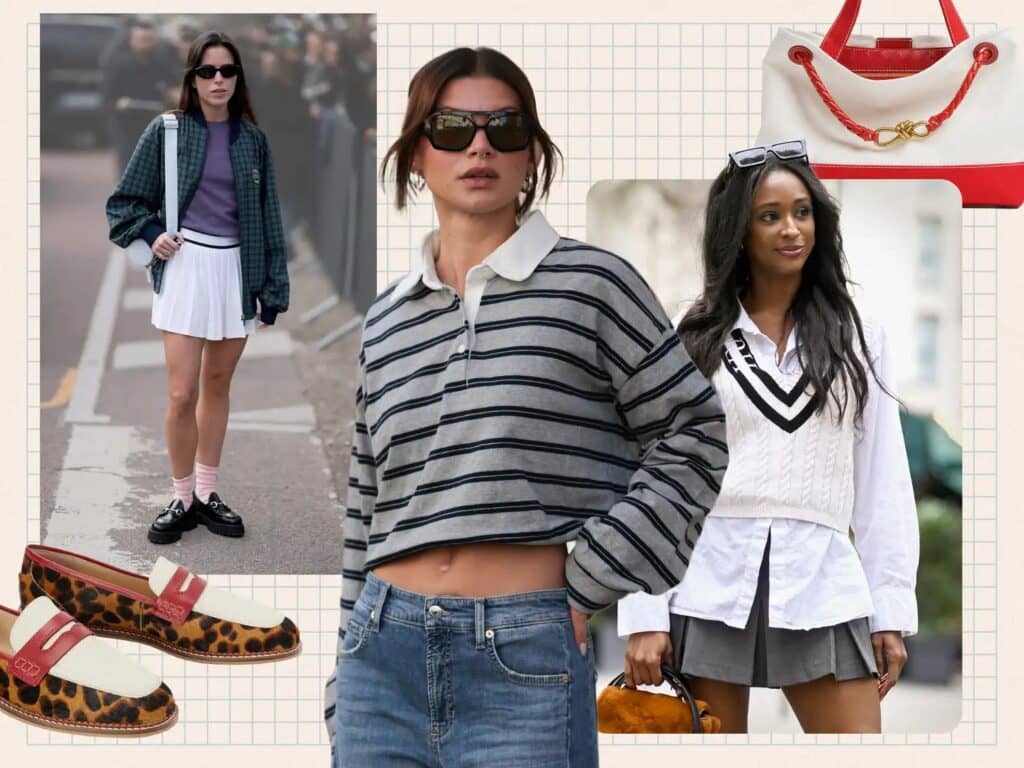
It’s not uncommon for affluent activities like polo, yachts, basketball, and horseback riding to influence preppy fashion. Common items of apparel worn by preps include tee shirts, Sport shirts, argyle jumpers and stockings, cloth-wrapped headband, penny loafers, blazer, pearl, sweatshirts, and khaki slacks.
Punk
Fashion in the punk subculture is influenced by the edgy looks popularized by punk rockers in the 1970s and the 1980s. As a term, “punk” refers to a wide range of subgenres, each of which follows its own distinct set of norms when it comes to how members should dress.

Punk fashion is easily identifiable by its use of leather jackets, deconstructed blazers, ripped fishnet stockings, skinny jeans, and chunky black boots.
Provocative slogans, band logo, and the opportunity to personalize clothing with accessories like patches or safety pins are commonplace in punk fashion. Hairstyles such as mohawks, spikes, and dyed or colored hair are common Punk fashion accessories.
Classic
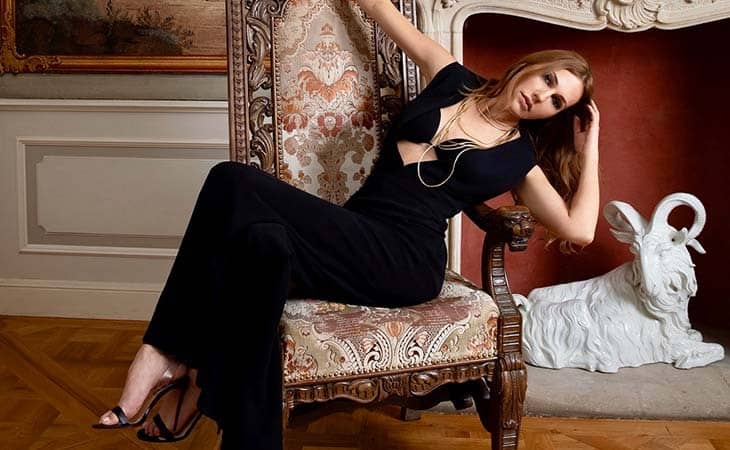
The word “classic style” is commonly used to describe a well-executed everyday look that incorporates staples from the business casual category, including blazer, dresses and skirts, and khakis. The word “classic style” can be used to describe this era’s enduring aesthetic. This more professional look serves you well in the job and in social settings where you want to make a good impression.
Casual
Weekends are a good time to put on your most casual attire. Think about donning some loose-fitting denim, a T-shirt, and some sneakers or flat boots. Even the simplest basic outfits have a preppy and hipster feel, so it’s hard to tell what constitutes a “casual” trend.

Fashion Has Many Faces – Which One’s Yours?
Fashion design isn’t a one-size-fits-all kind of field. From edgy streetwear to elegant eveningwear, from sustainable innovation to cultural celebration—each category offers designers (and wearers) a way to express themselves. Whether you’re sketching on a napkin or just love following the trends, understanding these categories helps you appreciate the incredible range of fashion as both art and industry.
So the next time you admire a flowing dress or snap a photo of someone’s killer shoes, remember—there’s a whole world of creativity behind it. And who knows? Maybe your next outfit will start a trend of its own.