
“Fashion is what goes out of fashion.” — Coco Chanel
“Fashion fades, only style remains the same.” — Coco Chanel
Fashion and style are often used as if they mean the same thing. We hear phrases like “She’s so fashionable” or “He has great style,” and rarely stop to think whether they actually describe the same thing. Yet the difference between the two is much deeper than simply wearing trendy clothes or putting together an attractive outfit.
Fashion surrounds us everywhere. It changes with every season, reflects the spirit of the times, and constantly invites us to try something new. Style, on the other hand, is much more personal. It isn’t dictated by designers, magazines, or social media. It grows from within and develops as we come to understand ourselves better.
Can following fashion help you discover your own style? Does dressing according to the latest trends automatically make you stylish? Or is style something that can’t be bought or copied?
Understanding the relationship between fashion and style is one of the most valuable steps toward building a wardrobe that not only looks beautiful but also feels authentic.
Readers who are searching for their own unique outward identity often ask us the same question:
“If I dress fashionably and follow the latest trends, does that mean I’ll automatically develop my own distinctive style that sets me apart from everyone else?”

After all, every one of us is unique. Every woman wants to express her individuality, and clothing is one of the most powerful ways to do that. We receive this question more and more often, so today we’d like to explore two concepts that are closely connected yet fundamentally different: fashion and style.
What makes them different? Why do they exist side by side, so different in nature, yet so often mentioned together?
Let’s begin by defining these two terms.
What exactly is fashion?
Fashion (from the French mode, and ultimately from the Latin modus, meaning measure, manner, method, rule, or way) is swift, unpredictable, and ever-changing—like a young woman constantly searching for her one true love.
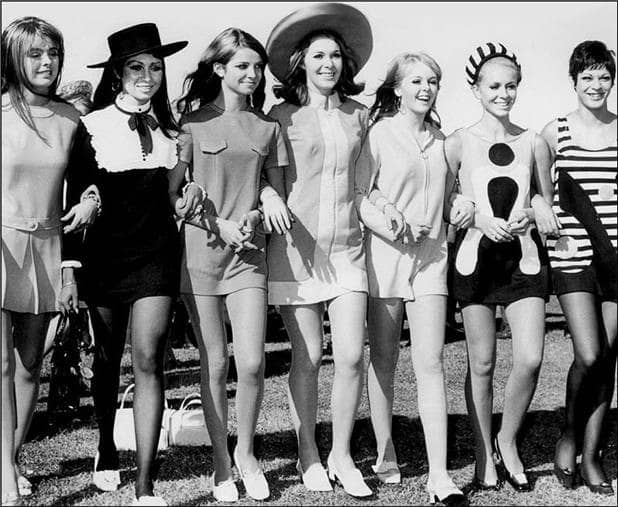
Fashion is dynamic and temporary, yet it serves as a living impulse toward novelty, exploration, and creativity. Fashion is the continual replacement of forms, silhouettes, and images, each enjoying its moment of popularity before making way for something new.
The expression to dress à la mode (“according to fashion”) originated in the 17th century, when French court fashion became the model for all of Europe. Historians still debate exactly when fashion first emerged, and different countries continue to claim its birthplace. Most, however, point to France.
It is often said that a successful designer’s greatest talent is the ability to sense the mood of society. Fashion is driven first and foremost by the collective mood—our dreams, ideals, desires, and aspirations during a particular moment in history.
Think about the enormous success of Christian Dior’s fashion house after World War II. Society had grown hungry for beauty, elegance, and femininity after years of hardship, and Dior recognized that longing better than anyone else.
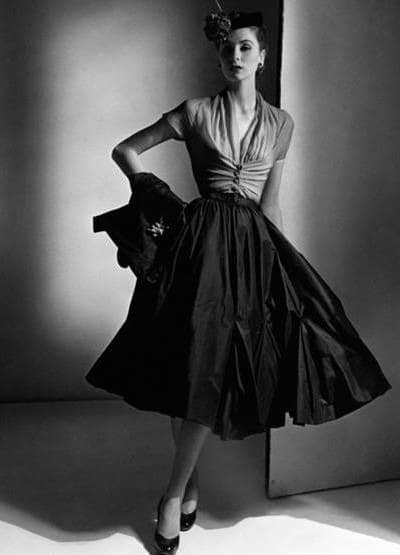
Many different factors influence fashion. One of them is the prevailing ideal of beauty and the female body. Clothing that highlights those ideals naturally becomes fashionable and widely adopted.
For example, when extreme thinness is celebrated, fitted silhouettes become popular. When curvier, more feminine figures come into fashion, entirely different styles emerge. Fashion is also shaped by society’s moral values and cultural attitudes. In many ways, fashion acts as a mirror reflecting the society that creates it.
Fashion is also fueled by our desire to imitate admired people and to find our place within society, where appearances—whether we like it or not—still influence how we are perceived.
And of course, as cynical as it may sound, fashion is also a business. Like any commercial enterprise, it follows the simple rule that demand creates supply.
Yet business alone does not define fashion. Above all, fashion reflects humanity’s endless desire for growth, discovery, and renewal. Without creativity and new experiences, life quickly becomes dull.
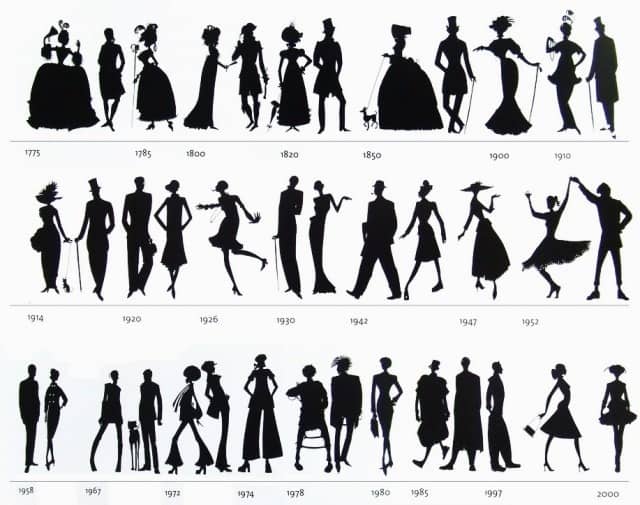
Some sociologists and philosophers, including Georg Simmel, studied fashion as a social phenomenon. Simmel believed that fashion expresses humanity’s desire to overcome social inequality.
In primitive societies, fashion did not exist in the form we know today because social divisions were relatively small. Later, in class-based societies, fashionable clothing and luxury items could only be worn by members of the aristocracy. Laws even prohibited merchants and common citizens from imitating the nobility.
For example, merchants might have been wealthy enough to buy expensive jewelry or luxurious furs, but legally they were forbidden from wearing them. Such privileges belonged exclusively to nobles and members of the clergy.
Eventually, these restrictions disappeared. Once they did, ordinary people eagerly embraced fashion in an effort to resemble the upper classes. According to Simmel, this forced the elite to constantly invent new fashions in order to distinguish themselves from everyone else.
It’s an interesting scientific perspective.
Fashion, as we know, is cyclical. Trends disappear only to return decades later. Fortunately, the language of fashion can be learned. By studying runway collections, following seasonal trends, reading fashion magazines, and observing designers over many years, anyone can develop a deeper understanding of fashion.
Fashion helps cultivate good taste. It encourages experimentation and allows us to explore countless possibilities until we discover what truly suits us. Through fashion, we develop an appreciation for beauty, and refined taste eventually becomes the foundation for discovering our own personal style.
Style, however, is a much more complex concept.
What exactly is style?
First and foremost, style is a conscious choice.
Making an independent choice is often much harder than simply following popular trends. Style means selecting, from countless possibilities, only those that resonate with your personality, values, and inner world.
Style reflects how we see ourselves. It is not limited to clothing—it extends to our behavior, our reactions, our habits, and ultimately our entire way of life.
Being stylish never goes out of fashion.
If fashion reflects someone else’s vision of the world, style is your own language of self-expression—your personal signature and the unique brushstroke that completes your portrait.
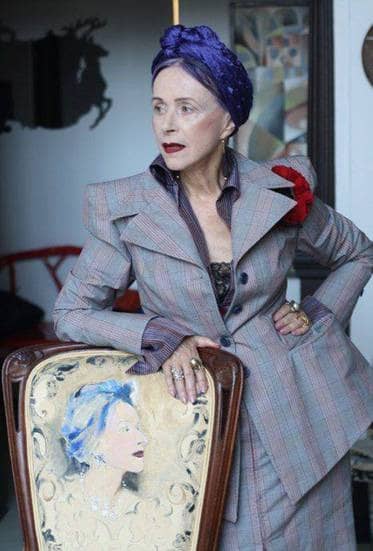
Style tells the world who you are through your clothing, manners, and behavior.
It is what distinguishes you from everyone else.
True style isn’t about attracting attention for its own sake. It is the thoughtful expression of your individuality through your outward appearance. Style begins with self-awareness and becomes visible in the way you present yourself.
That’s why people often say:
Fashion is in the clothes. Style is in the person wearing them.
Style is shaped by many different influences, but its strongest foundation should always be your own personality. Only then does it feel authentic and harmonious.
Clothing, behavior, lifestyle, age, personal taste, life experience, and countless other factors all contribute to forming a person’s style.
Unlike fashion, style is remarkably stable.
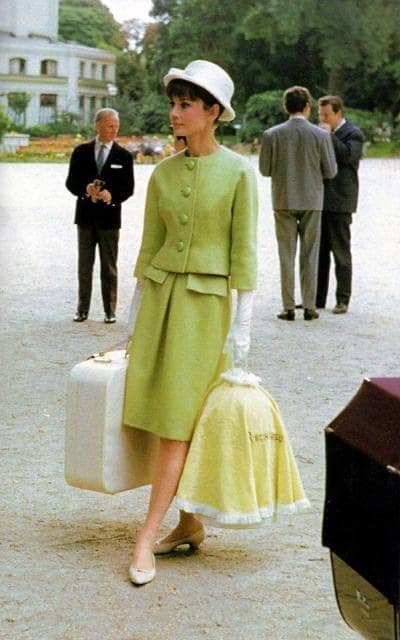
Of course, people evolve throughout their lives, but they rarely change as rapidly as fashion trends do.
The word style comes from the Latin stilus (or stylus) and the Greek stylos—the pointed writing instrument once used to write on wax tablets or birch bark.
Dictionary definitions describe style as:
“A historically developed and relatively stable system of artistic characteristics, methods, and means of expression, united by a common ideological content. This unity is reflected across all forms of art—architecture, literature, painting, and others—as well as in clothing, household objects, and everyday life, and is shaped by the economic, political, and psychological life of society.”
Finding your own style means finding harmony between your inner world and your outward appearance—and expressing that harmony through clothing and much more.
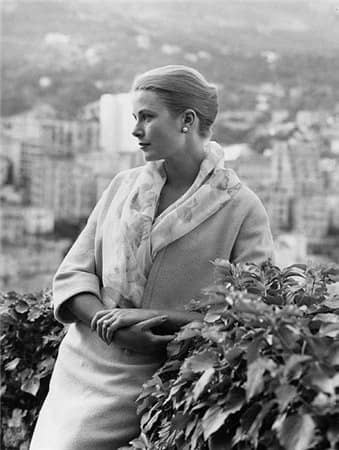
So how do you discover your own unique style?
It begins with getting to know yourself.
Listen to your inner voice. Understand your values, ideals, personality, and character. The better you know yourself, the easier it becomes to make choices that genuinely reflect who you are.
Fashion can enrich your style, adding new dimensions and fresh inspiration without replacing your individuality.
Style is generally influenced by personal taste, character, age, historical era, nationality, lifestyle, religious beliefs, social status, and countless individual traits.
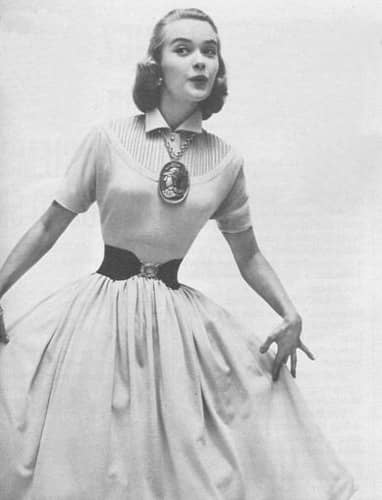
Style differs from image because image is often connected to profession or social role. Image is, to some extent, a carefully constructed presentation designed to create a specific impression that serves a purpose—whether professional, social, or public.
Style, on the other hand, comes from within.
Although style plays an important role in creating one’s image, it remains something much deeper and more personal.
The word image literally means picture or representation, and that definition fits perfectly.
Image is, in many ways, an outer shell—a carefully crafted impression that shapes how others perceive us.
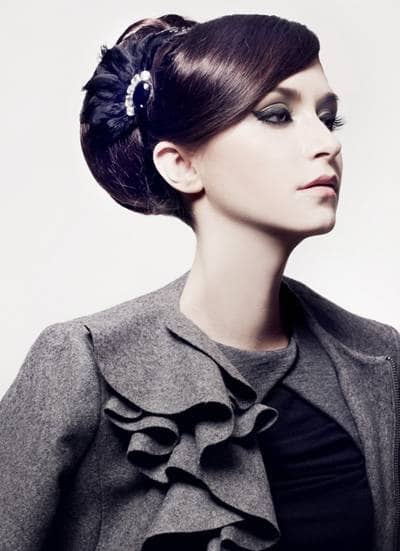
Style is different.
Style is not a performance. It isn’t imitation, nor is it an attempt to manufacture a particular reputation.
Style is self-acceptance.
It is embracing your uniqueness and expressing it honestly through your outward appearance.
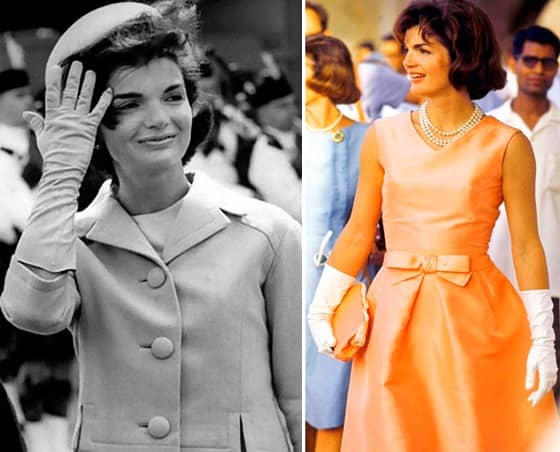
Although style has no strict rules, it does have certain guiding principles that help determine whether an outfit feels harmonious and complete:
- Are the proportions balanced?
- Do all the elements work well together?
- Do your clothing, hairstyle, accessories, and makeup suit the occasion and setting?
- Have you maintained a sense of balance and moderation?
- Does your appearance communicate who you truly are? Ask yourself honestly: Is this really the message I want to send?
We are not entirely sure who originally wrote the following comparison, but we think it beautifully captures today’s topic:
Fashion is matter. Style is soul.
Fashion is possessions. Style is character.
Fashion is form. Style is substance.
Fashion comes from the outside. Style is born within.
Fashion limits. Style liberates.
Fashion shocks. Style inspires.
Fashion is bought and sold. Style is priceless.
Fashion is mass-produced. Style is unique.
Fashion makes people look alike. Style makes people stand out.
Fashion can be thoughtless. Style is intelligent.
Fashion changes. Style evolves.
Fashion is self-critical. Style is self-confident.
Fashion demands conformity. Style expresses mastery.
Fashion is literal. Style is original.
Fashion declares. Style suggests.
Fashion is serious. Style has a sense of irony.
Fashion offers safety. Style requires courage.
Fashion is temporary. Style is forever.
And yet, despite all their differences, fashion and style always walk side by side.

Within each of us lives both the desire to express our individuality and the desire to belong.
The wisest approach is to discover your own authentic style while continuing to follow fashion with curiosity. Personal style doesn’t reject fashion—it simply uses it wisely, allowing trends to enrich rather than define who you are.
Fashion and style are often presented as opposites, but in reality, they work best as partners rather than rivals. Fashion introduces us to fresh ideas, encourages experimentation, and reflects the changing spirit of society. Style gives those ideas meaning by filtering them through our personality, values, and life experience.
Trends will continue to come and go, sometimes returning decades later in new forms. Chasing every trend can be exciting, but it can also leave us feeling disconnected if we lose sight of who we are. Style offers something much more lasting. It gives us the confidence to choose what genuinely resonates with us instead of simply following what everyone else is wearing.
The most memorable people are rarely those dressed in the newest fashions. They are the ones whose appearance feels authentic because it reflects their character, their story, and their individuality. Their clothing becomes a natural extension of who they are rather than a costume designed to impress others.
Perhaps that is the real purpose of fashion—to inspire us, introduce us to new possibilities, and broaden our sense of beauty. And perhaps the true purpose of style is to help us translate those possibilities into something uniquely our own.
So enjoy fashion, stay curious, and don’t be afraid to experiment. But remember that trends are temporary, while authenticity never goes out of style. When your outer appearance is in harmony with your inner self, clothing becomes more than fabric—it becomes a quiet, confident expression of who you truly are.