
“Never consider yourself to be someone others don’t see you as, and then others won’t see you as someone you’re not trying to appear to be.”
— Lewis Carroll, Alice in Wonderland
If that quote made your brain do a somersault, congratulations — you’ve just had your first taste of how tricky the idea of “image” can be. And Carroll wasn’t done there:
“Just think — because of one small thing, you could shrink so much that you become nothing.”
So, What Is Image in short?
The word image comes from the Latin imago, meaning “likeness.” It’s also linked to imitari, meaning “to imitate” — which hints at something important: your image is often a blend of reality and intentional presentation. It’s not necessarily fake, but it is curated.
Image is the curated version of who you are — shaped by your appearance, your personality, and the impression you leave behind. It includes your public behavior, your digital footprint, and your unspoken vibe. And while image / personal brand is sometimes called artificial, a strong one still needs a foundation of truth.
And in today’s world — where options, competition, and visibility are at an all-time high — image matters more than ever. Whether it’s landing a job, growing your business, or getting someone to take you seriously on a dating app, what people see often determines how they respond.

It’s Not Just You vs. the World — It’s Your Image vs. Theirs
Experts say that modern competition isn’t just between people or companies. It’s between images. Brands, politicians, influencers — even your favorite local coffee shop — all rely on image to stand out and connect.
Want to sell a product? Earn trust? Get noticed?
You’ll need more than substance — you’ll need style that tells your story in a snap.
Why personal branding matters
At its core, your image is the mental snapshot others take of you. Think of names like Chanel or Christian Dior. Instantly, certain ideas pop into your head: elegance, class, high-end taste. The same thing happens with people. Margaret Thatcher, for example, consistently projected the image of a strong, traditional leader — and that consistency earned her public trust.
Why Bother Creating an Image? Here’s What It Can Do for You:
1. Grab Attention (In a Good Way)
A thoughtfully built image /personal brand helps you stand out — not in a loud, “look at me!” kind of way, but in a way that makes people take notice. It helps you blend smoothly into a new social scene and start building the right connections without awkward small talk.
2. Spotlight Your Strengths
Your image should shine a light on the best parts of you — your professionalism, your personality, your vibe. Think of it as your personal highlight reel.
3. Downplay the Not-So-Great Stuff
We all have things we’d rather not put front and center. A strong image helps shift the focus. The right clothes, a confident posture, or even a well-applied bit of makeup can draw attention away from any insecurities and help you feel your best.
4. Boost Your Mood and Confidence
When you feel good about how you present yourself, it shows. You walk taller, speak clearer, and radiate a kind of energy that people naturally respond to. That kind of confidence is contagious — and incredibly attractive.
5. Empower Yourself
Knowing your worth and owning your strengths is powerful. When you build an image around your charisma and talents, you start to see yourself — and be seen — in a whole new light. Suddenly, you’re not just fitting in — you’re standing out in the best way.
6. Fit in Without Losing Yourself
The right image helps you feel like “one of the group” without pretending to be someone you’re not. Whether you’re starting a new job, entering a new social circle, or networking like a pro, your image helps ease those transitions and create genuine, friendly connections.
Great images don’t need dozens of traits — they need a few key ones, communicated well.
That’s the heart of image-making.
Imageology Is It a Real Thing?
There’s an actual science behind image. It’s called imageology, and it started out focused on politicians. But now it’s everywhere — in businesses, schools, hospitals, and in the lives of everyday people.
It’s a real field of study! Imageology is the science behind personal and public image. It started with politicians but has since expanded to businesses, schools, healthcare providers — and everyday people like you and me.
Image-making /personal branding is the art (and a little bit of science) of shaping how others perceive you. It’s equal parts psychology, storytelling, self-awareness, and yes, a dash of performance. An image can be built on real traits, personal stories, PR campaigns, or even your Instagram captions. The goal? To leave the kind of impression you want to be known for.
Image-making / personal branding is the process of crafting your public persona. It involves psychology, marketing, a bit of self-promotion, and yes — sometimes a little showbiz flair. This doesn’t mean it’s fake — it means it’s intentional.
Despite being a relatively new discipline, the roots of imageology go way back. Ancient civilizations understood the power of image better than we might think.
- Ancient Egypt: Pharaohs projected divine authority through carefully curated appearances. Even Queen Hatshepsut wore a ceremonial beard to match her male predecessors.
- 12th-Century Europe: Wealthy commoners weren’t allowed to dress like nobility, no matter how much gold they had.
- India: A woman’s outfit could instantly signal her social status, marital status, and caste.
- Ancient Greece & Medieval Europe: From noblemen to knights, society had high expectations for how the elite should present themselves.
Even back then, image was power.
Over time, reputation became more than just a byproduct — it became something to actively manage. The closer we get to modern times, the more important self-realization and self-presentation became.
But Isn’t That Just for Celebs and Politicians?
Nope. That’s one of the biggest myths.
We all need an image — not necessarily for fame, but for function. Every day, we’re “selling” ourselves in some way: to clients, coworkers, bosses, friends, potential dates. And what’s at stake? Confidence, happiness, relationships, career growth — the works.
As Lillian Brown, image consultant to five U.S. presidents, once said:
“Professional skills alone won’t get you a job or a promotion.”
And she was right.
In today’s world, how you present yourself often opens the first door.
So, Who Needs To Build an Image?
Short answer: you do.
Because your image and personal branding helps you:
- Build trust
- Stand out in a crowd
- Define your social identity
- Connect with the right people
People Work on Their Image For:
1. Internal motivation
You’ve changed — and you want the world to see it. Maybe you’ve grown more confident, more creative, more grounded. Now it’s time for the outside to reflect the inside. This can be a personal journey, sometimes even guided by a psychologist or coach.
2. External motivation
You’ve got goals — maybe landing a promotion or entering a new industry. You’re qualified, but that’s not always enough. You need to look like you belong there. And there’s nothing wrong with that. People want to work with people who project confidence and capability.
At the end of the day, a well-crafted image helps you align how you feel with how you’re seen. And that’s not about faking it — it’s about intentionality.
Before you start, ask yourself:
- What do I want people to see when they see me?
- Why do I want that?
- What values, feelings, or messages am I trying to send?
Whether it’s your personal branding, professional reputation, or social vibe — image is your silent ambassador. It speaks before you do.
And when you build it authentically, it can open more doors than you ever expected.
What Are the General Rules for Building an Image?
How your image is formed — and why it matters more than ever.
In today’s world, personal branding is everything. Whether you’re trying to land your dream job, grow a business, or just get someone to take you seriously on social media, the way you present yourself plays a huge role in how others perceive — and respond to — you.
But here’s the twist: your image isn’t necessarily you. It’s a version of you — crafted, curated, and maybe just a little polished. And because it’s part reality and part presentation, it’s crucial that all the pieces fit together seamlessly.
So how do you actually build an image that works? Let’s break it down.
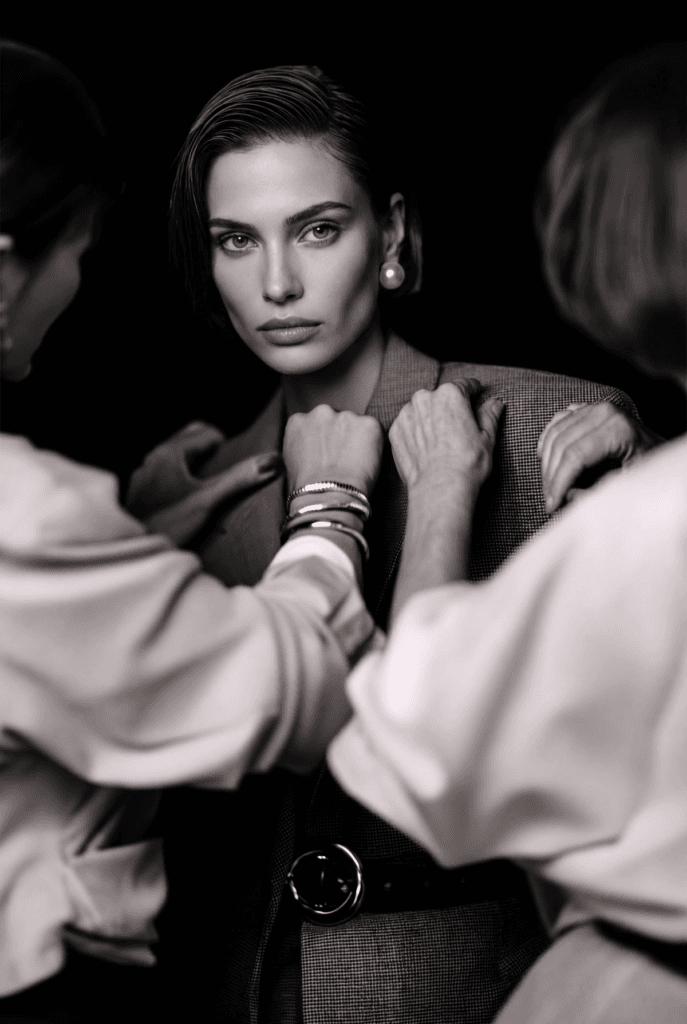
Appearance & Behavior: First Impressions Happen Fast
According to Psy Systems, a popular online psychology journal, the first things people notice about you are your height and build — followed quickly by how you carry yourself. Yep, posture matters. Someone who stands tall and moves with purpose tends to come across as confident, even if they’re on the shorter side. Meanwhile, slouched shoulders and timid gestures often signal insecurity, no matter how well-dressed you are.
Remember: your body language often speaks louder than your words.
Speech: You Can’t Just Look the Part — You Have to Sound the Part
A fancy suit and great hair won’t do much if you struggle to get your point across. Articulate, clear, and confident speech goes a long way in building trust and leaving a lasting impression. If you tend to rely on hand gestures or filler words (uh, like, you know…) to get through conversations, it might be time to polish up your verbal skills.
Voice training with a pro can help with tone, pitch, strength, and pacing — and yes, practicing in front of a mirror can feel awkward, but it works!
Social Media: Your “Digital You” Should Match the Real One
Journalist Murilo Leal calls it the “background image” — and he’s not wrong. In our hyperconnected world, people will judge you by your Instagram feed, LinkedIn profile, and online presence. That’s why your image needs to be consistent across real life and digital life.
Pretending to live a lifestyle you can’t maintain (hello, rented Lambos and fake vacation pics) will backfire. Instead, focus on sharing content that’s actually helpful, interesting, or authentic to you. Be real — not perfect.
Values: Keep It Simple, Keep It Relatable
People are drawn to others who reflect their values — who seem to fall into their idea of “good,” “trustworthy,” or “one of us.” That’s why overly complex or abstract personas often fall flat. You don’t have to create a philosophical brand manifesto — just show people who you are in ways they can understand and relate to.
Examples? Try something like:
- “Loves animals”
- “Big on family”
- “Fitness enthusiast”
- “Total bookworm”
Relatable, right? Keep it real, and people will connect.
The Key Elements of a Strong Personal Brand
Let’s summarize the essentials. A well-rounded image typically includes:
- Appearance: Style, grooming, and how well your look fits the context. (Pro tip: avoid over-accessorizing.)
- Health & Energy: You don’t have to be an athlete, but looking healthy and energetic gives off success vibes.
- Proportion & Harmony: People naturally respond to balanced proportions — this includes how you dress for your body type.
- Behavior: Manners, tone, gestures — they all add up.
- Profession: Your career, salary, colleagues, and reputation shape how others see you.
- Background: Your cultural or national identity can be a powerful and meaningful part of your image.
- Uniqueness: You should stand out — but not in a way that feels forced. Authentic individuality is key.
- Charm: The ability to lift a room, make people smile, and connect. It’s underrated — and invaluable.
- Self-confidence: Healthy self-esteem shows up in every interaction. And people notice.
What Makes Someone Actually Attractive?
Spoiler: it’s not just about looks.
Attractiveness comes from alignment. When how you act matches how you feel — and how you want to be seen — you’re magnetic. But obsessing over your flaws or trying to be someone you’re not? That’s a quick path to insecurity, awkwardness, and confusion.
Confidence comes from working on yourself honestly — not trying to “fix” what isn’t broken.
Mastering the Art of Image
Knowing what image or personal brand does isn’t enough — you’ve got to know how to use it. And that takes some self-awareness, creativity, and strategy.
Napoleon once said,
“At times I am a fox, at times a lion. The whole secret of governing lies in knowing when to be the one or the other.”
That’s image in action — knowing when to adapt, when to impress, when to connect. Whether you’re building a personal brand or just trying to navigate everyday life, image isn’t about faking it — it’s about curating the best version of your truth.
So go ahead, own it. Because image isn’t just a surface thing — it’s your silent ambassador, and it speaks before you do.
A Final Word on Authenticity
If your image feels fake, people will pick up on it. If it feels forced, it won’t last. Your best bet? Start with who you are, and build from there.
Don’t try to mimic someone else — that never works for long. Instead, aim to become the best version of yourself. When you embrace your unique mix of traits, you might just inspire others to do the same.
In short: be real, be intentional, and be consistent.
Your image should work for you — not the other way around.
Need help shaping or refining your personal brand or image?
Let’s build something that actually reflects who you are — and where you’re going.