
Beauty has captivated humanity since the beginning of civilization. It has inspired poets, artists, philosophers, sculptors, and storytellers across every culture and every era. Ancient civilizations have built temples in honor of beautiful goddesses, painters spent years trying to capture the perfect human form, and philosophers debated whether beauty was something we see with our eyes or something we experience with our hearts.
Even today, beauty remains one of the most powerful forces shaping our lives. We admire it, pursue it, celebrate it, and sometimes even fear losing it. Entire industries revolve around helping us look younger, slimmer, healthier, and more attractive. Social media constantly presents carefully curated images of perfection, encouraging us to compare ourselves with impossible standards.
There is nothing inherently wrong with wanting to look beautiful. Caring for our appearance can be an act of self-respect, creativity, and self-expression. Looking after our health, choosing clothes that make us feel confident, or enjoying a skincare routine can all contribute to our well-being. The problem begins when beauty becomes the measure of our worth. When our reflection determines our confidence. When wrinkles become enemies instead of reminders of a life fully lived. When appearance overshadows character.
Modern society often encourages us to perfect the outside while paying far less attention to what is happening within. Yet history, philosophy, psychology, and everyday experience all point toward the same conclusion: physical attractiveness may open doors, but inner beauty determines the quality of our relationships, our happiness, and ultimately the legacy we leave behind.
Perhaps the question has never been whether outer beauty or inner beauty matters more. Perhaps the real question is how we can bring them into harmony. Because true beauty is not found in choosing one over the other—it is born when both work together.
Why We Chase Outer Beauty
Every woman wants to feel beautiful – for as long as possible and as deeply as possible. If we think back to the fairy tales of our childhood, many of them revolved around beauty. Queens consulted magical mirrors to confirm they were still the fairest of them all. Princesses were admired for their extraordinary appearance. Jealous rivals fought to preserve their beauty or eliminate anyone who threatened it. Although centuries have passed, the underlying desire remains surprisingly similar.
Today, instead of enchanted mirrors, we have smartphone cameras, beauty filters, fashion magazines, celebrity culture, and social media. Everywhere we look, we are surrounded by carefully edited images that quietly suggest what beauty is supposed to look like.
Whether we admit it or not, many of us spend a remarkable amount of time thinking about our appearance. Every morning we study our reflection, noticing wrinkles that weren’t there before, dark circles under our eyes, changes in our skin, or the first strands of gray hair. We compare old photographs with our current appearance, wondering when time began leaving its signature on our faces.
Growing older has become something many people try to postpone rather than embrace. As a result, countless hours and enormous financial resources are invested in preserving youth. Cosmetic treatments, anti-aging creams, injectable procedures, hair coloring, aesthetic medicine, fitness programs, and plastic surgery have become common parts of modern life.
There is nothing wrong with wanting to look your best. Taking care of yourself demonstrates self-respect. The difficulty begins when appearance becomes the primary source of self-worth. Many people willingly endure painful procedures because they believe the reward will be greater confidence, admiration, acceptance, or happiness. Since childhood, we’ve heard that beauty opens doors, creates opportunities, and even changes lives. At the same time, another familiar saying reminds us that beauty requires sacrifice. For many, those sacrifices become very real. Time. Money. Pain. Constant comparison. And sometimes even losing sight of who we truly are beneath the image we carefully construct.
What Are We Really Looking For?
If we look honestly beneath our pursuit of physical beauty, we often discover that appearance is not the real goal. Very few people wake up hoping simply to have smoother skin or fewer wrinkles.
What we truly long for goes much deeper. We want to feel accepted. We want to belong. We want to be admired. We want to feel worthy of love.
Appearance often becomes the vehicle through which we hope to achieve these emotional needs. Without realizing it, many people begin to believe that beautiful people are naturally happier, more successful, more confident, and more loved. Youth has become associated with value, while aging begins to feel like decline. This belief quietly shapes our decisions.
We may tell ourselves that if we lose a little more weight… If we erase one more wrinkle… If we improve one more feature… …then we will finally feel enough. But lasting confidence rarely arrives that way. The finish line simply moves further away. The pursuit becomes endless because we are trying to satisfy emotional needs through physical change. This explains why some people continue searching for the next cosmetic procedure even after achieving remarkable physical beauty. The transformation on the outside never fully resolves the uncertainty within.
External improvements can certainly boost confidence. They can help us feel refreshed, expressive, and more comfortable in our own skin. But they cannot replace self-worth. Love cannot be injected. Belonging cannot be purchased. Confidence cannot be permanently created by changing a face while leaving the heart untouched. True confidence begins when we recognize that our value has never depended solely on our appearance.

Our inner world deserves even greater attention because it shapes the quality of every one of those experiences. Outer beauty may introduce us. Inner beauty allows people to truly know us. Outer beauty naturally changes with time. Inner beauty has the extraordinary ability to deepen with every passing year.
As the saying goes, “Outer beauty attracts, but inner beauty captivates.”
Have We Forgotten About Inner Beauty?
Perhaps the greatest consequence of our obsession with appearance is not that we care too much about the body. It is that we often forget to care for the qualities that make the body truly beautiful.
Kindness. Wisdom. Integrity. Compassion. Generosity. Patience. Emotional maturity.
These qualities rarely appear on magazine covers, yet they influence how attractive someone becomes over the course of a lifetime.
Imagine if we invested even half as much energy in developing our character as we devote to improving our appearance. Imagine beginning each morning not only by washing our face and applying moisturizer, but also by nourishing our inner life.
- Reading something inspiring.
- Practicing gratitude.
- Spending a few quiet moments in reflection or prayer.
- Meditating.
- Offering encouragement to someone who needs it.
- Performing small acts of kindness without expecting recognition.
- Building relationships consciously instead of allowing them to unfold by chance.
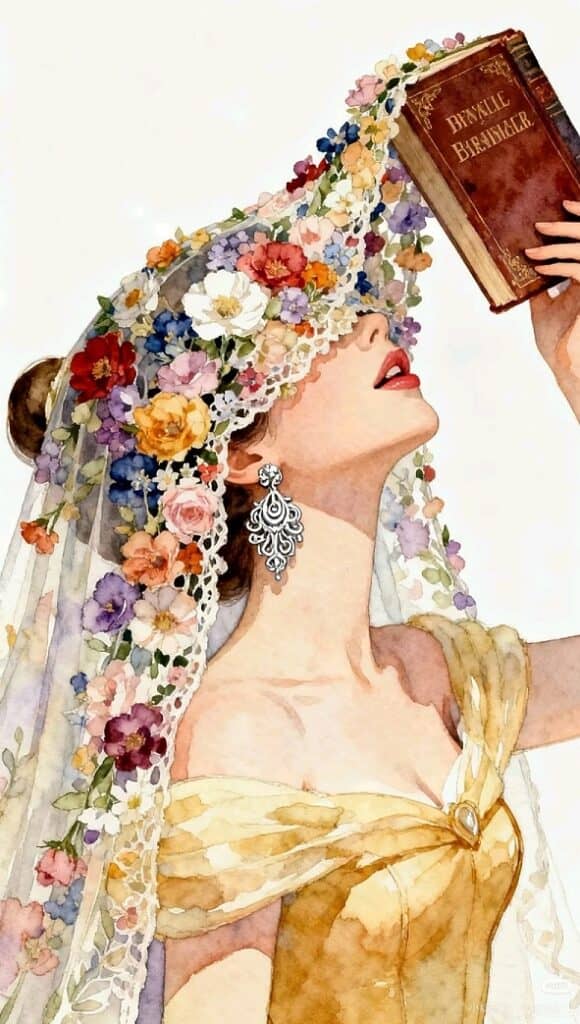
These habits may not erase wrinkles, but they shape something far more enduring. They shape who we become. By the time we reach fifty, sixty, or seventy years of age, our faces inevitably change.
The real question is what kind of presence will accompany those changes. Will our face reflect bitterness or peace? Will our eyes communicate resentment or compassion? Will people remember us for our flawless appearance — or for the warmth, wisdom, and love they experienced in our presence?
People who cultivate inner beauty often become increasingly attractive as the years pass. Not because their features remain unchanged. But because their character begins to shine through everything they do.
The Two Extremes
When discussing beauty, many people unknowingly fall into one of two opposite extremes. The first extreme dismisses physical appearance almost entirely.
Some believe that because inner beauty matters most, caring about the body is unnecessary or even superficial. Exercise, healthy nutrition, skincare, elegant clothing, or personal grooming may be viewed as signs of vanity rather than self-respect. The attitude often sounds something like this:
“I am not my body. I am my soul.”
While this statement contains an important truth, it can easily become unbalanced when interpreted too literally. Neglecting the body does not automatically make someone more spiritual. Our bodies deserve care because they carry us through every experience of life. Through them we embrace loved ones, create memories, express affection, pursue dreams, and experience the beauty of the world around us.
The opposite extreme is far more common in modern society. Here, people identify almost entirely with their appearance. The body becomes their identity. Every wrinkle feels like failure. Every gray hair becomes a problem to solve. Every birthday becomes a reminder that time is winning. Some become trapped in an endless pursuit of youth, constantly searching for the next treatment, the next procedure, or the next promise that aging can somehow be reversed. In extreme cases, people are willing to spend fortunes – or even go into debt – to preserve an image that nature never intended to remain unchanged forever.
Ironically, both extremes create suffering. One neglects the body. The other becomes imprisoned by it. Neither recognizes the beautiful partnership that exists between the body and the soul. Our physical appearance deserves attention. Our inner life deserves even greater attention. Neither should exist without the other.
The Body Is an Instrument, Not Our Identity
Ancient philosophical traditions have long suggested that human beings are far more than physical bodies. While different cultures explain this idea in different ways, many arrive at a similar conclusion: our body is the vehicle through which we experience life, but it is not the entirety of who we are.
Our senses allow us to explore the world. Through our bodies we express love, build friendships, raise families, create art, comfort others, experience joy, and contribute something meaningful to life. Every hug, every smile, every act of kindness, and every shared experience is made possible because we live through a physical body. For that reason, the body deserves care, appreciation, and respect.
At the same time, it remains a vessel rather than our deepest identity. If we define ourselves only by appearance, we become vulnerable to every passing year, every physical change, and every comparison with others. Our sense of worth rises and falls with the mirror.
Yet when we recognize that our character, values, compassion, and consciousness form the true center of who we are, the body takes on a healthier role. It becomes something to care for rather than something to worship. This balanced perspective allows us to appreciate beauty without becoming imprisoned by it.
We can enjoy looking our best while remembering that the qualities making us unforgettable are not found in perfect features, but in the way we treat ourselves and others. Our bodies may introduce us to the world. Our inner beauty determines how we remain in people’s hearts.
Outer Beauty and Inner Beauty Come From Different Sources
One of the most fascinating aspects of beauty is that its outer and inner dimensions do not arise from the same place. Our physical appearance is largely a gift of biology. We inherit our facial features, body structure, eye color, skin tone, and countless other characteristics from our parents and ancestors. Some people are naturally born with features that society tends to admire, while others are not. None of us chooses the face we are born with.
Inner beauty, however, follows a completely different path. It is shaped by our experiences, our decisions, the challenges we overcome, and the way we respond to life. It grows every time we choose kindness instead of resentment, courage instead of fear, humility instead of arrogance, or compassion instead of judgment. While our appearance is largely inherited, our character is created.
Some spiritual traditions go even further, suggesting that while the body is inherited from our parents, our consciousness carries the wisdom accumulated through many lifetimes. Whether we interpret that literally or symbolically, the underlying idea is deeply meaningful: our inner world is something we develop ourselves.
That is why outward appearance and inner beauty do not always match. A striking face does not automatically reflect a beautiful heart, just as an ordinary appearance can conceal extraordinary depth, wisdom, and warmth.
Sometimes, however, something remarkable happens. When a person’s inner world becomes filled with peace, joy, authenticity, and love, those qualities begin to express themselves through the body. Their eyes become brighter. Their smile feels more genuine. Their movements become more graceful. Their entire presence seems lighter. They may not fit conventional beauty standards, yet people naturally enjoy being around them. There is simply something about them that shines.
Why Inner Beauty Naturally Changes the Outer Appearance
Have you ever met someone who became more attractive the longer you knew them? Perhaps at first they seemed quite ordinary. Nothing about their appearance immediately stood out. Yet after spending time with them, you began noticing their warmth, their humor, their generosity, or the calm confidence they carried. Gradually, they became beautiful in your eyes.
The opposite happens just as often. Someone may initially seem breathtakingly attractive, but after repeated displays of arrogance, selfishness, dishonesty, or cruelty, their physical beauty somehow begins to disappear. Their face has not changed, yet the way we perceive it certainly has. This happens because we never experience another person through appearance alone.
We experience facial expressions, tone of voice, body language, emotional energy, and countless subtle signals that our brains process almost instantly. Modern neuroscience suggests that we unconsciously read emotions from one another through facial muscles, posture, eye contact, and nonverbal communication. We are wired to sense whether someone feels safe, kind, confident, anxious, or hostile.
In many ways, the face becomes a living reflection of the inner world. Years of bitterness often leave different traces than years of gratitude. Years of chronic stress create different expressions than years of inner peace. Kindness softens the face. Joy brightens the eyes. Peace relaxes the body. Confidence improves posture. Compassion changes the way someone speaks and listens.
None of these qualities can be purchased, injected, or surgically created. They emerge naturally from within.
When Outer Beauty Hides Inner Emptiness
Physical beauty certainly has value. It attracts attention, creates first impressions, and can even open certain doors in life. But appearance alone has surprisingly little power to sustain happiness. Many people discover this through experience. Someone may fall in love with another person’s appearance only to discover, weeks or months later, that behind the beautiful face lies insecurity, manipulation, selfishness, dishonesty, or emotional immaturity. The attraction slowly fades. Not because the face changed. Because the personality became visible.
Outer beauty can decorate the surface, but it cannot replace integrity, empathy, emotional intelligence, or genuine warmth. In fact, relying entirely on physical appearance can sometimes become an obstacle to deeper personal growth. When we identify too strongly with how we look, we may spend far more time maintaining the image than developing the qualities that make relationships meaningful. Eventually, every face changes.
Time softens youthful features, alters the body, and leaves visible signs of a life fully lived. What remains attractive then is everything that cannot be erased by age—wisdom, kindness, humor, confidence, generosity, curiosity, resilience, and the ability to make others feel valued. These qualities often become even more beautiful as the years pass.
The Story of Alexander the Great and Diogenes
History offers many reminders that true greatness is not always reflected in outward appearance. One of the most memorable stories comes from the meeting between Alexander the Great and the Greek philosopher Diogenes.

Alexander was one of the most powerful men in history. He possessed extraordinary wealth, commanded vast armies, and had conquered much of the known world. He was admired for his strength, ambition, and impressive physical presence. Diogenes lived very differently. He owned almost nothing, rejected luxury, and believed that happiness came through simplicity and freedom rather than possessions or status. According to historical accounts, he lived with very few belongings and spent much of his time outdoors, unconcerned with social expectations.
When Alexander met him, Diogenes was quietly resting in the morning sunlight. Rather than asking for wealth, power, or recognition from the world’s greatest conqueror, he simply requested that Alexander step aside because he was blocking the sun. Whether every detail of the story is historically precise matters less than the lesson it has carried through the centuries.
One man possessed nearly everything the world admires. The other possessed complete inner freedom. Alexander could conquer nations. Diogenes had conquered himself. That kind of freedom creates a presence that no wealth, title, or physical appearance can imitate.
How Modern Psychology Supports Ancient Wisdom
For thousands of years, philosophers and spiritual traditions have claimed that inner qualities eventually shape outer beauty. Interestingly, modern psychology increasingly supports many of these observations.
Researchers studying emotional intelligence consistently find that people who demonstrate empathy, kindness, self-awareness, and emotional stability tend to build stronger relationships and inspire greater trust. These qualities influence how attractive others perceive them to be over time. Psychologists also describe something known as the halo effect. When we notice one positive quality—such as warmth, confidence, or generosity—we naturally begin attributing other positive qualities to that person as well. Their overall attractiveness often increases in our perception, even though nothing about their physical appearance has changed.
Neuroscience offers another fascinating explanation through mirror neurons. These specialized brain cells help us unconsciously reflect and respond to the emotional states of those around us. When someone radiates calmness, joy, enthusiasm, or compassion, we often begin feeling those emotions ourselves. Their inner state quite literally influences the people they meet.
This helps explain why some people immediately make us feel comfortable, inspired, or energized, while others leave us feeling emotionally drained. True attractiveness is never only visual. It is emotional. It is psychological. It is relational. It is energetic.
None of this means that physical appearance should be ignored. The body deserves care. True balance recognizes that body and soul are partners. One allows us to live in the physical world. The other gives that life meaning. When both receive attention, something remarkable happens. Outer beauty begins expressing inner beauty. Inner beauty begins illuminating outer beauty. Neither competes with the other. They strengthen one another.
True Beauty Is Harmony
Perhaps the greatest misunderstanding about beauty is believing that we must choose between the outer and the inner.
We don’t.
Our bodies deserve care because they carry us through every experience life offers. They allow us to embrace loved ones, create memories, express affection, explore the world, and bring our ideas into reality.
The happiest and most attractive people are rarely those who spend their lives trying to look perfect. They are usually those who have learned to respect both their appearance and their character, their health and their heart, their body and their soul.
In the end, beauty is not a competition between body and soul. It is the quiet harmony between them. And that is the kind of beauty that time can never take away.