
When we talk about beauty, we often think first about what we can see: facial features, body shape, skin, hair, clothing, or style. Modern culture has trained us to evaluate beauty mainly through external appearance, creating endless conversations about trends, aging, perfection, and physical ideals. But true beauty has always been something much deeper.
A beautiful face can attract attention, but it is the energy behind that face that creates a lasting impression. A person can have perfect features and still feel distant, unhappy, or disconnected. At the same time, someone who may not fit conventional beauty standards can radiate warmth, confidence, and vitality that naturally draws others toward them. This deeper quality is often described as inner beauty — the invisible combination of emotional balance, kindness, confidence, wisdom, and the way we connect with ourselves and the world around us.
Inner Beauty: The Invisible Source of Outer Radiance
Inner beauty is one of the most powerful aspects of human attractiveness because it influences not only how we feel but also how others experience us. When we are emotionally balanced, compassionate, and connected with ourself often creates a feeling of comfort and trust around them. Our beauty comes not only from appearance but from the energy we carry. True beauty is a reflection of the inner world.
Inner beauty does not exist separately from the body. Our physical state, emotional state, thoughts, and energy are constantly communicating with one another. The way we sleep, eat, move, manage stress, and care for ourselves influences not only our health but also our mood, confidence, behavior, and the way we appear to others.
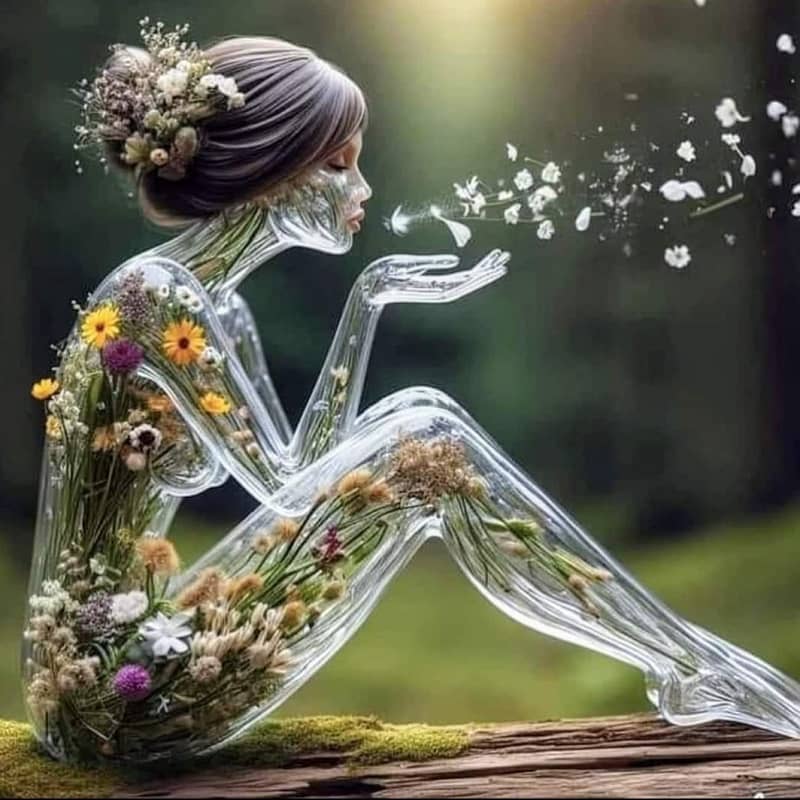
A healthy body supports a healthy emotional state, and a healthy emotional state enhances the way we express ourselves. When we feel well, we naturally communicate more openness, patience, kindness, and confidence. This is why people who are healthy from within often appear more radiant. Their beauty is not simply a result of physical features; it comes from vitality, emotional stability, and a positive relationship with life.
Beauty is not only about attractive appearance. It is also an internal state of the body that depends on proper nutrition, a healthy lifestyle, genetic factors, emotional well-being, and timely attention to health concerns. When the body is supported, the mind becomes clearer. When emotions are balanced, our energy changes. When we feel peaceful inside, that harmony naturally becomes visible through our expressions, posture, voice, and presence. True radiance is created when the outer and inner worlds exist in harmony.
“Healthy Mind in a Healthy Body”: Ancient Wisdom About Balance
The famous expression “A healthy mind in a healthy body” originates from the Roman satirical poet Juvenal (Latin: Mens sana in corpore sano). Originally, this phrase was a prayerful wish asking the gods for harmony between body and mind. Over time, its meaning evolved into a powerful reminder that physical health and emotional balance are deeply connected.
The wisdom behind this idea has been recognized across many cultures. Ancient traditions understood that human well-being could not be separated into isolated parts. The body, mind, emotions, and spirit were seen as different expressions of one complete system.
Ancient Chinese medicine, for example, viewed health through the principle of yin and yang — two complementary forces that must remain in balance. According to this philosophy, illness and emotional suffering often appear when harmony between different aspects of life is disrupted.
Modern science approaches the same idea from another perspective. Research in psychology, neuroscience, and medicine continues to show that physical health influences mental health, while emotional states affect the functioning of the body. It is something that shines through us when our thoughts, emotions, and body are aligned.
The connection between the body and mind may seem like common sense, but it is something many of us forget in daily life. We often separate physical and emotional well-being, as if they exist independently. However, true health is always a combination of both. This is why we often describe someone as having a “beautiful energy.” We are not referring only to appearance. We are recognizing something deeper — kindness, warmth, confidence, and a sense of harmony that cannot be created artificially. A wise approach to beauty begins from within. Taking care of the soul, emotional state, and inner peace creates the foundation for external harmony.
How Feelings Shape Our Health
Our emotions are not simply temporary experiences happening inside our minds. They create real biological responses within the body. Feelings such as joy, gratitude, love, and calmness support well-being, while prolonged stress, anger, fear, resentment, and emotional tension can gradually exhaust the body.
When we experience chronic stress, the body activates survival mechanisms. Stress hormones such as cortisol and adrenaline prepare us to respond to danger. This reaction is useful in short periods when we need extra energy and focus. However, when stress becomes constant, the same protective mechanisms can become harmful. The body remains in a state of tension, affecting sleep, energy levels, immune function, digestion, and emotional stability.
Negative emotional states can slowly drain our vitality. Anger, unresolved resentment, fear, and constant anxiety may create emotional exhaustion and influence our physical condition. This does not mean that we should avoid difficult emotions. Every emotion carries information. Sadness, anger, and fear are natural parts of life. The important question is not whether we experience them, but how we process them. Emotional maturity means learning to acknowledge feelings without allowing them to control our entire state of being. Inner peace is not the absence of challenges. It is the ability to remain centered while moving through challenges.
A calm and balanced emotional state becomes a valuable inner resource. It allows us to respond to life with greater wisdom instead of reacting from exhaustion or fear. This inner stability also influences how we interact with others. When we have enough emotional energy, we can offer more patience, compassion, and understanding.
The Connection Between Hormonal Balance and Mental Well-Being
One of the most fascinating examples of the connection between body and mind is the relationship between hormones and emotions. Hormones are chemical messengers that regulate many essential processes in the body, including metabolism, reproduction, stress response, sleep, energy production, and mood. Although we often believe that we fully control our emotions, science shows that our biological systems also influence how we feel, think, and behave. Important chemical messengers such as dopamine, serotonin, cortisol, and oxytocin play significant roles in our emotional experiences.
Dopamine: Motivation and Pleasure
Dopamine is often associated with motivation, reward, curiosity, and the desire to achieve goals. Healthy dopamine activity supports enthusiasm, focus, and a sense of purpose. When dopamine balance is disrupted, we may experience reduced motivation, lack of pleasure, or emotional fatigue.
Serotonin: Emotional Stability
Serotonin contributes to feelings of calmness, emotional balance, and overall well-being. Healthy serotonin regulation supports a more stable mood and resilience during stressful situations.
Cortisol: The Stress Hormone
Cortisol is essential for survival because it helps the body respond to challenges. However, constantly elevated cortisol levels caused by chronic stress may negatively affect both physical and emotional health.
Oxytocin: Connection and Trust
Oxytocin is often called the “bonding hormone” because it is connected with feelings of trust, affection, and emotional connection. Positive relationships, kindness, and physical affection can support healthy oxytocin activity.
Hormonal balance and mental health influence each other continuously. When hormones are balanced, life often feels more manageable. We may experience greater emotional stability, more energy, better sleep, and a more positive perception of the world. When hormonal balance is disrupted, even small challenges can feel overwhelming.
Women often experience noticeable hormonal changes during PMS, pregnancy, postpartum periods, and menopause. However, hormonal fluctuations affect everyone. Men can also experience emotional and physical changes when hormones such as testosterone decline significantly, influencing mood, motivation, confidence, and energy. Taking care of hormonal health is therefore an important part of maintaining beauty, vitality, and emotional harmony.
The Connection Between Energy Vibrations (Chakras), Emotions, and Inner Harmony
Many holistic traditions have long recognized that the body is not only a physical structure but also an energetic system. Ancient Chinese medicine described health as a balanced flow of life energy, often called Qi, while Indian traditions described the body through the concept of chakras—energy centers associated with different aspects of physical, emotional, and spiritual experience.
From a scientific perspective, the body is a complex network of electrical, chemical, and biological processes. Every cell communicates through signals, and the nervous and endocrine systems constantly exchange information. From a holistic perspective, energy represents the quality of our inner state — our emotions, thoughts, vitality, and connection with ourselves.
When we feel peaceful, inspired, and emotionally balanced, we often describe ourselves as feeling “light,” energized, or in flow. When we are overwhelmed by stress, fear, or emotional exhaustion, we may describe ourselves as feeling “heavy” or disconnected.

One interesting connection between modern physiology and traditional energy systems is the relationship between the endocrine glands and the chakra system described in Eastern traditions.
While chakras belong to traditional and spiritual practices rather than modern medical science, many people find this framework meaningful for understanding personal balance and self-awareness.
For example:
- The area associated with the heart chakra is traditionally connected with compassion, love, and emotional openness.
- The throat chakra is associated with communication and authentic expression.
- The solar plexus chakra is linked with confidence, personal power, and self-esteem.
Interestingly, many chakra locations correspond approximately with areas where important endocrine glands are located, such as the thyroid, adrenal glands, and reproductive glands.
This does not mean that chakras and hormones are scientifically identical concepts. Rather, they represent two different ways of exploring the relationship between body, emotions, and inner experience.
Although these concepts belong to spiritual and traditional systems rather than modern medical science, many people find them meaningful as a way to understand the connection between emotions, body awareness, and inner balance. The common idea is simple: harmony within creates harmony outwardly. From this perspective, emotional blocks, stress, and unresolved experiences can influence how energy flows through the body.
For example, the heart chakra in many spiritual traditions is associated with love, compassion, and emotional connection. When someone experiences openness and emotional balance, this area is believed to be harmonious. When there is prolonged grief, fear, or emotional protection, people may feel disconnected or closed. When thoughts, emotions, physical health, and personal values move in the same direction, we experience a sense of wholeness.
Whether we look at this connection through biology or through holistic traditions, the message is similar: our inner state matters. When we care for our body, regulate stress, nourish ourselves properly, and cultivate emotional awareness, we support a greater sense of balance and vitality. And when we are balanced inside, our beauty naturally begins to shine outward.
How a Healthy Body Enhances the Beauty of the Soul
A healthy body is not only the foundation of physical strength and vitality; it is also the environment in which our inner qualities can fully express themselves. When we feel physically well, we naturally have more energy, patience, creativity, and emotional resources. We become more capable of giving love, supporting others, and responding to life with openness rather than exhaustion.
Think about the difference between how you feel after a night of deep, restorative sleep and how you feel after several days of stress and fatigue. The world itself has not changed, but your perception of it has. Colors seem brighter, problems feel more manageable, and communication with others becomes easier. This simple example shows how closely our physical state is connected with our emotional and mental experience.
The body and the mind are not separate systems competing for attention. They constantly communicate with each other. A tired body can make us feel emotionally drained, while emotional stress can affect digestion, sleep, immunity, muscle tension, and energy levels. Caring for the body is therefore not only an act of physical maintenance — it is a way of creating the conditions where inner beauty can shine.
A person who feels healthy and balanced often naturally radiates qualities that we associate with beauty: kindness, confidence, warmth, optimism, and presence. This is why some people appear attractive not because they have perfect features, but because they carry a certain energy. Their face is relaxed, their eyes are alive, their movements are natural, and their presence feels harmonious. Inner beauty needs a healthy foundation.
When the body is constantly struggling, it becomes much harder to maintain emotional balance. Chronic fatigue, poor nutrition, lack of sleep, or prolonged stress can reduce our ability to be patient, compassionate, and joyful. This does not mean that health challenges prevent someone from having inner beauty, but it shows why caring for our physical well-being is such an important part of creating harmony within ourselves.
There are several ways in which strong health supports the beauty of the soul.
Energy: The Foundation of Expression
Energy is one of the most important resources we have. When the body has enough energy, we are more able to engage with life. We have the strength to pursue our goals, connect with others, create, learn, and contribute.
Fatigue often changes our emotional state. When we are exhausted, even small difficulties can feel overwhelming. We may become more impatient, reactive, or withdrawn. On the other hand, when our energy levels are supported by good nutrition, movement, and rest, we have a greater capacity for kindness and emotional generosity. This is why taking care of your health is not only about looking good. It is about having enough inner resources to live fully.
Emotional Stability and Inner Peace
Regular movement, balanced nutrition, quality sleep, and stress management all influence the nervous system. They help the body regulate stress responses and create a greater sense of emotional stability.
A calm and balanced state does not mean that we never experience negative emotions. Life naturally includes sadness, frustration, fear, and uncertainty. Emotional health is not about avoiding these experiences — it is about having the inner strength to move through them without being completely overwhelmed.
When we develop emotional resilience, we become less controlled by temporary moods and external circumstances. We can observe our emotions, understand them, and respond consciously rather than reacting automatically. This inner stability is one of the deepest forms of beauty because it creates a peaceful presence that others can feel.
Clarity of Thought and Conscious Choices
The condition of the body also influences the clarity of the mind. Research has shown that physical activity, adequate sleep, and proper nutrition support brain function, concentration, memory, and emotional regulation. A tired and stressed mind often makes decisions from fear, frustration, or impulsiveness. A rested and balanced mind has more space for reflection, creativity, wisdom, and compassion.
When we take care of ourselves, we become more capable of making choices that support not only our own well-being but also the well-being of others.
Self-Love Begins with the Body
The relationship we have with our body is deeply connected to the relationship we have with ourselves. Many people spend years criticizing their appearance, fighting against their bodies, or seeing self-care as something unnecessary or selfish. However, caring for the body is one of the first expressions of self-respect.
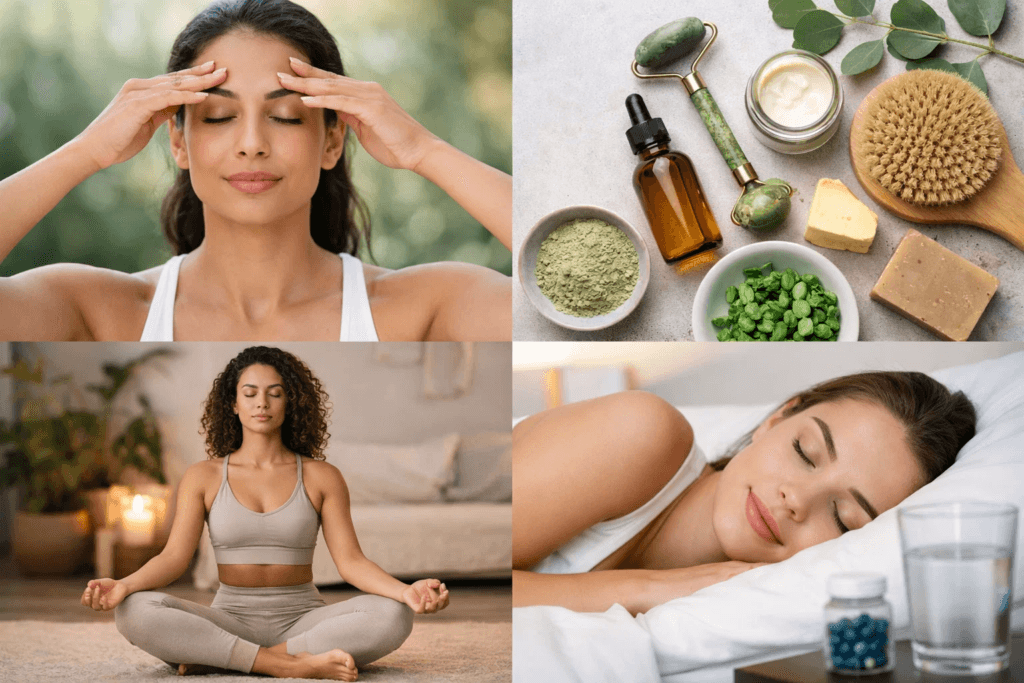
When you nourish yourself with healthy food, give yourself time to rest, move your body with appreciation, and create moments of calm, you are sending yourself an important message: “I am valuable. My well-being matters. I deserve care.”
Over time, these small choices build a healthier relationship with yourself. Self-love is not created by repeating positive words alone. It grows through daily actions that demonstrate respect and compassion toward yourself.
How Self-Care Influences Confidence
Beauty has always been connected with more than appearance. It is also connected with perception—how we see ourselves, how we treat ourselves, and how we feel inside our own body.
A person can have beautiful features but feel disconnected, insecure, or unhappy. Another person may not fit traditional beauty standards but appear deeply attractive because of confidence, warmth, and authenticity. This happens because beauty is not only something we observe. It is something we experience. When we begin caring for ourselves, even through simple daily rituals, the brain receives a powerful psychological message: I matter. This message gradually changes the way we relate to ourselves.

A skincare routine, a healthy meal, a walk outside, meditation, stretching, or simply taking a few quiet minutes alone may seem like small actions. However, these moments create a sense of stability and connection with ourselves. They become small promises that we keep. And every time we keep a promise to ourselves, we strengthen self-trust.
The “I Look the Way I Feel” Connection
Our external appearance can influence our internal state. This does not mean that beauty is only about appearance. Rather, it means that when we feel comfortable and cared for, it affects the way we experience ourselves.
When your skin feels healthy, your body feels energized, your posture improves, and your clothing reflects your personality, the mirror becomes less of a place for criticism and more of a place for recognition. You begin seeing yourself as someone worthy of care. This shift can reduce perfectionism and create a more supportive inner dialogue.
A Healthy Spirit: The Final Element of Beauty
Physical health is an important foundation, but true beauty cannot exist without inner peace.
Someone can have excellent physical condition and still feel empty, disconnected, or unhappy. Outer appearance alone cannot create lasting fulfillment. The deepest form of beauty comes from the combination of a healthy body, a peaceful mind, and an open heart.
A healthy spirit means having the ability to appreciate life, remain curious, continue growing, forgive, love, and find meaning even during difficult periods. It means understanding that perfection is not the goal.
Harmony is.
A beautiful life is not a life without challenges. It is a life where we develop the inner strength to meet those challenges with awareness and compassion. When we care for our body, we support our mind. When we calm our mind, we support our body. When we nurture our spirit, we bring beauty into everything we do.
True Radiance Comes From Within
The deepest beauty we can create is not something that comes from external perfection. It comes from alignment — from the harmony between who we are inside and how we express ourselves in the world. A healthy body gives us energy. A balanced mind gives us clarity. A peaceful spirit gives us radiance.
The glow that people notice in others is rarely created by appearance alone. It comes from vitality, confidence, kindness, emotional balance, and the feeling that someone is truly connected with themselves.
Beauty is not simply something we achieve. It is something we cultivate. Every healthy meal, every moment of rest, every movement, every positive thought, and every act of self-care becomes part of this process.
When we stop fighting ourselves and begin caring for ourselves, something changes. We become more comfortable in our own presence. Our energy becomes lighter. Our expression becomes warmer. Our connection with life becomes deeper.
Thus, true beauty is not only about how we look. It is about how we feel, how we live, and what we share with the world.
A healthy body creates the foundation.
A peaceful mind creates harmony.
A beautiful soul creates the light that others can see.