
Fashion has evolved from a practical necessity into one of humanity’s most powerful forms of self-expression. Throughout history, it has reflected social status, cultural identity, artistic movements, technological progress, and changing lifestyles. What people wear has always communicated something about who they are, where they belong, and what they value.
From the symbolic garments of ancient civilizations to the elaborate styles of European royalty, from the mass production of the Industrial Revolution to today’s technology-driven and sustainable fashion industry, clothing has continuously adapted to the needs and aspirations of society. Fashion is no longer simply about appearance—it is an intersection of culture, creativity, economics, and innovation.
As the industry continues to evolve, emerging technologies such as artificial intelligence, digital fashion, and virtual design are shaping the future of how clothing is created, marketed, and experienced.
Fashion in the Ancient World: Where Function Met Symbolism
The earliest forms of fashion were closely connected to survival. Clothing protected people from changing weather conditions and made everyday activities easier. As civilizations developed, however, garments gradually became much more than practical necessities. They evolved into symbols of wealth, authority, religion, and social identity.
The Origins of Fashion
The earliest foundations of fashion can be traced to the great civilizations of Mesopotamia, Ancient Egypt, Greece, and Rome, where clothing became an important form of cultural expression.
The Sumerians of Mesopotamia created garments from wool and flax, while Ancient Egyptians preferred lightweight linen that suited their hot climate. In Greece, flowing garments such as the chiton and himation reflected the Greek appreciation for simplicity and proportion. Roman society developed one of history’s most recognizable garments—the toga, whose color, decoration, and quality revealed the wearer’s citizenship, rank, and political position.
Across these civilizations, clothing was never simply about covering the body. It communicated power, prestige, occupation, religious beliefs, and membership within society.

Materials and Techniques in Ancient Fashion
Many textile techniques still used today have surprisingly ancient origins. Weaving, dyeing, spinning, embroidery, and decorative stitching were already well established thousands of years ago.
The most common fabrics included:
- Wool
- Linen (made from flax)
- Silk, primarily among the wealthiest classes and through expanding trade routes
Access to quality textiles reflected social hierarchy. Members of the ruling classes wore finely woven fabrics, vibrant dyes, and elaborate decorations, while ordinary citizens generally dressed in simpler garments made from coarser materials. This relationship between wealth and access to luxury fashion remains relevant even today.
One of history’s most famous examples was Tyrian purple, an exceptionally expensive dye extracted from Mediterranean sea snails. In Ancient Rome, this rich purple color was reserved almost exclusively for emperors and the highest-ranking officials, making it one of the earliest examples of clothing being regulated by law.
Embroidery, decorative patterns, and symbolic motifs were also widely used to communicate religious beliefs, political affiliations, military rank, and family status.
Fashion in Ancient Egypt
Egyptian clothing was designed primarily for comfort in the country’s hot, dry climate. Lightweight linen kept people cool, while simple silhouettes allowed freedom of movement.
Among the wealthy, however, fashion became remarkably sophisticated. Members of the elite wore beautifully pleated garments, elaborate wigs, gold jewelry, jeweled collars, and decorative headdresses. Clothing reflected not only wealth but also divine status, as pharaohs and nobles often dressed in ways that emphasized their connection with the gods.
Fashion in Ancient Greece
Greek fashion emphasized elegance through simplicity. Rather than heavily tailored garments, the Greeks preferred draped clothing that naturally followed the body’s lines.
Garments such as the peplos, chiton, and himation were created from rectangular pieces of fabric carefully wrapped and fastened around the body. Although their construction was relatively simple, they conveyed grace, sophistication, and harmony.
Clothing also reflected social distinctions. Wealthier citizens wore finely woven fabrics decorated with colorful embroidery, while slaves and laborers generally wore plain, undecorated clothing.
Fashion in Ancient Rome
Roman fashion became increasingly structured and symbolic. The toga evolved into one of the strongest visual markers of citizenship and social standing.
Different types and colors of togas indicated different ranks within society. Senators wore togas with broad purple borders, while emperors enjoyed exclusive rights to certain shades of purple. Roman women commonly wore the stola, often complemented by carefully arranged hairstyles, jewelry, and decorative brooches.
In Rome, fashion became an important tool for displaying wealth, political influence, and moral virtue.

Italy: The Birthplace of Renaissance Fashion
Italy, widely regarded as the birthplace of the Renaissance, became the center of luxury fashion.
Powerful merchant families in cities such as Florence, Venice, and Milan displayed their prosperity through beautifully tailored garments made from silk, velvet, and brocade. Fashion became closely connected to art, with clothing emphasizing craftsmanship, proportion, and refined aesthetics.
Women’s dress also evolved significantly during this period. Structured bodices and early corsets became increasingly popular, creating the narrow waistlines that defined Renaissance femininity.
The Renaissance: Fashion Becomes an Art Form
The Renaissance marked one of the greatest turning points in fashion history. Spanning roughly the 14th through 16th centuries, this period celebrated the revival of classical learning, artistic creativity, and individual expression.

As Europe experienced remarkable advances in art, science, and commerce, clothing also became more refined, luxurious, and personalized. Fashion evolved beyond practicality and became a visible expression of wealth, education, taste, and social position.
Luxurious Fabrics and Masterful Tailoring
The Renaissance introduced dramatic improvements in tailoring. Instead of loose-fitting medieval garments, clothing became more structured, with fitted bodices, defined waists, voluminous skirts, and padded shoulders creating elegant silhouettes.
Affluent Europeans favored luxurious textiles such as:
- Silk
- Velvet
- Brocade
- Fine linen
These fabrics were often decorated with intricate embroidery, lace, pearls, precious stones, and gold or silver thread. Bright colors became especially desirable because producing rich dyes remained expensive, making vivid garments a clear symbol of wealth and prestige.
Advances in spinning techniques and textile dyeing also expanded the range of fabrics available to Europe’s growing merchant class.

The Influence of Royal Courts
European monarchs and aristocrats became the leading trendsetters of Renaissance fashion. Royal courts established standards that spread across the continent, with nobles eager to imitate the clothing of kings and queens.
Influential figures such as Catherine de’ Medici in France and Queen Elizabeth I of England transformed fashion into a political statement. Their lavish wardrobes featured luxurious fabrics, elaborate embroidery, pearls, jewels, and richly decorated gowns designed to project power and authority.
During this period, clothing became an essential instrument of diplomacy and prestige. What a ruler wore often communicated as much as official speeches or political actions.
The Birth of Couture
The Renaissance also laid the foundations for what would eventually become haute couture.
Instead of purchasing standardized garments, wealthy patrons commissioned skilled tailors to create custom-made clothing designed specifically for their body, taste, and social status. These craftsmen gained prestige as artists in their own right, producing unique garments that combined exceptional craftsmanship with individual creativity.
This emphasis on bespoke fashion established traditions that continue to define luxury fashion houses today.
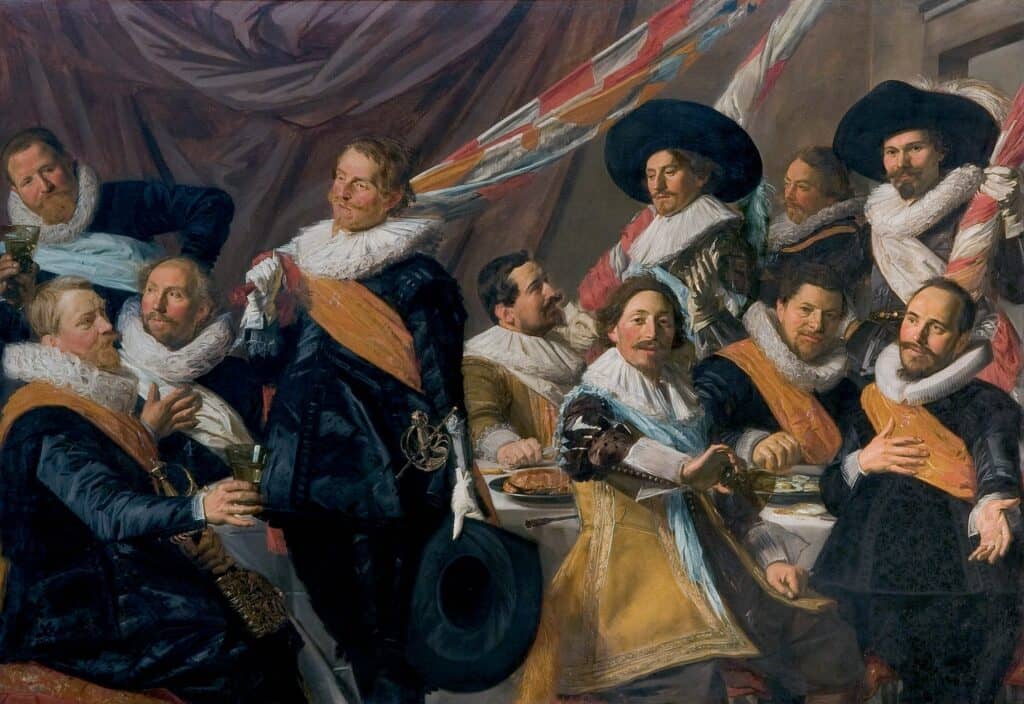
The Baroque Era: Fashion as Spectacle
The Baroque period, which followed the Renaissance during the 17th century, pushed fashion toward even greater extravagance.
Silhouettes became larger, decorative details more elaborate, and garments increasingly theatrical. Oversized lace collars, dramatic sleeves, elaborate wigs, embroidered fabrics, ribbons, and voluminous skirts became defining features of elite fashion.
Rather than serving merely practical purposes, clothing became a work of art designed to impress and inspire admiration. Fashion reflected the grandeur of royal courts, particularly under rulers such as Louis XIV of France, whose lavish style heavily influenced European fashion for generations.
The Industrial Revolution: Fashion for Everyone
Beginning in the late eighteenth century, the Industrial Revolution transformed every aspect of society—including fashion.

For centuries, clothing had been handmade by skilled tailors or produced at home, making garments expensive and time-consuming to create. Industrialization introduced mechanized textile production, dramatically increasing efficiency while reducing costs.
This shift fundamentally changed fashion, making stylish clothing available to ordinary people rather than exclusively to the wealthy.

The Rise of Mass Production
Innovations such as the spinning jenny, spinning mule, and power loom revolutionized textile manufacturing.
Factories rapidly replaced traditional workshops, allowing fabrics and garments to be produced on an unprecedented scale. Clothing became more affordable, giving the growing middle class access to fashionable styles that had once been reserved for the elite.
This period also marked the beginning of the ready-to-wear clothing industry, which remains the foundation of today’s global fashion market.
Cotton Changes the Industry
One of the greatest beneficiaries of industrialization was cotton.
Cheaper than silk and more versatile than wool, cotton quickly became the dominant textile of the nineteenth century. Eli Whitney’s invention of the cotton gin in 1793 dramatically increased production efficiency, making cotton fabrics widely available and helping fuel the rapid growth of the textile industry.
Technology Reshapes Fashion Design
Industrialization changed not only manufacturing but also the design process itself.
Improved pattern-making techniques enabled more precise garment construction and standardized sizing. Fashion houses expanded their influence, while department stores introduced consumers to an entirely new shopping experience by offering both ready-made clothing and custom tailoring under one roof.
These developments transformed fashion into a large-scale commercial industry, laying the foundation for the modern global fashion business.

The Twentieth Century: Fashion Revolutionized
Few periods transformed fashion as dramatically as the twentieth century. Every decade introduced new ideas, technologies, social movements, and cultural influences that reshaped the way people dressed.
The century witnessed the rise of haute couture, the influence of cinema and popular culture, the democratization of fashion, and eventually the emergence of fast fashion—all of which continue to influence contemporary style.
The Rise of Haute Couture
The early twentieth century elevated fashion designers to the status of artists.
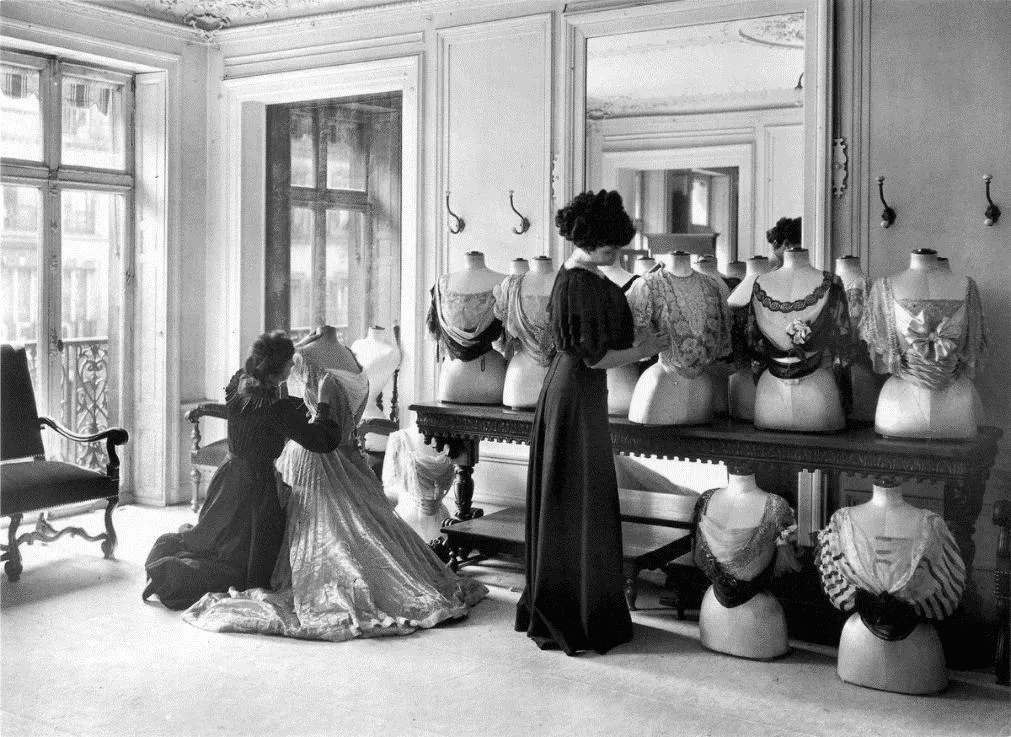
Among the most influential was Coco Chanel, who revolutionized women’s clothing by replacing restrictive corsets with elegant, comfortable designs. Her use of jersey fabric and creation of the iconic little black dress redefined modern femininity through simplicity and practicality.
Following World War II, Christian Dior introduced his famous New Look in 1947. Characterized by narrow waists, full skirts, and highly feminine silhouettes, Dior’s designs restored glamour to post-war fashion and firmly established Paris as the world’s fashion capital.
The 1920s–1950s: Jazz, Hollywood, and Post-War Elegance
The 1920s brought dramatic social change, and fashion reflected this newfound freedom.

Flappers embraced shorter hemlines, loose-fitting dresses, bold accessories, and shorter hairstyles, rejecting the restrictive fashions of previous generations. Designers such as Jeanne Lanvin and Elsa Schiaparelli became known for their creativity and willingness to experiment with new materials and artistic ideas.
During the 1930s and 1940s, Hollywood became one of fashion’s most influential forces. Film stars including Katharine Hepburn, Greta Garbo, and Marlene Dietrich inspired millions through their sophisticated wardrobes.
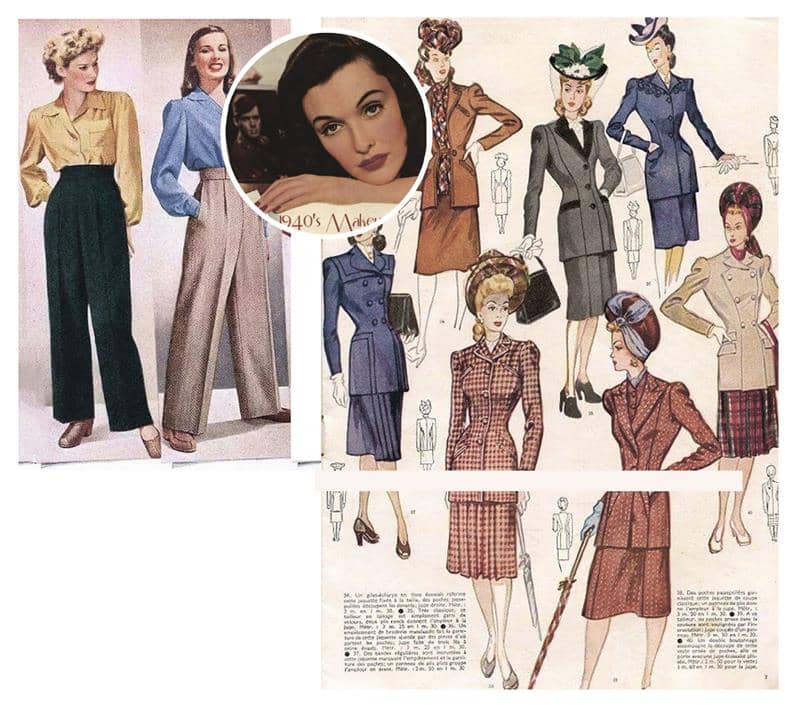
World War II temporarily shifted fashion toward practicality, as fabric rationing encouraged simpler silhouettes and functional clothing. After the war, however, elegance returned. Dior’s New Look helped revive luxury fashion, while the growing ready-to-wear industry made designer-inspired clothing increasingly affordable for the expanding middle class.
The 1960s–1980s: Youth Culture, Rebellion, and the Rise of Street Style
The 1960s marked a dramatic shift in the fashion world, as clothing became a powerful expression of individuality, social change, and political beliefs. Instead of simply following established trends, younger generations used fashion to challenge convention and embrace new ideas. Designers such as Mary Quant captured this spirit by introducing the iconic miniskirt, which quickly became a symbol of female independence, confidence, and sexual liberation.

At the same time, London’s Mod movement helped redefine youth fashion. Characterized by bold geometric prints, vibrant colors, slim tailoring, and shorter hemlines, Mod style reflected the optimism and energy of a generation eager to break away from traditional dress codes.
During the 1970s, fashion continued to evolve alongside changing social attitudes. The hippie movement embraced a relaxed, bohemian aesthetic inspired by peace, freedom, and a connection to nature. Flowing maxi dresses, bell-bottom jeans, fringe, crochet, and tie-dye became defining elements of the decade’s carefree style.
Not everyone embraced this laid-back look, however. Punk fashion emerged as a direct rejection of mainstream culture, replacing softness with attitude and rebellion. Spearheaded by influential designer Vivienne Westwood, the movement introduced ripped clothing, leather jackets, safety pins, heavy makeup, and provocative graphics that challenged conventional ideas of beauty and fashion.

The 1960s–1970s: The Emergence of Fashion Stylists and Image Consultants
While designers shaped the garments themselves, another profession was quietly gaining importance behind the scenes. Early fashion stylists were often magazine editors responsible for selecting outfits, coordinating photoshoots, and creating visually compelling editorial spreads.
By the mid-1970s, the concept of image consulting had also begun to take hold. A major turning point came with the publication of John T. Molloy’s bestselling 1975 book Dress for Success, which explored how clothing could influence both personal image and career opportunities. The book became a cultural phenomenon, earning the nickname America’s first “wardrobe engineer” from TIME magazine. Its popularity inspired a follow-up, The Women’s Dress for Success Book, published in 1977, further establishing professional image consulting as a growing industry.

The 1980s–2000s: Fashion Editing and the Creative Vision of Ray Petri
The 1980s introduced a new role within the fashion industry: the fashion editor and freelance stylist. Rather than simply selecting clothing, these creative professionals built complete visual narratives, carefully choosing garments, accessories, hair, and makeup to create distinctive editorial looks for magazines and advertising campaigns.
Among the most influential figures of the era was British stylist Ray Petri, founder of the groundbreaking Buffalo movement. His styling blended streetwear with luxury fashion while drawing inspiration from diverse cultures, sportswear, and youth subcultures. Rather than focusing on expensive labels, Petri emphasized silhouette, proportion, and personal style, helping make fashion feel more inclusive and accessible.
The decade itself celebrated confidence, glamour, and excess. Power dressing dominated wardrobes with oversized blazers, bold shoulder pads, bright colors, statement jewelry, and dramatic silhouettes. Fashion reflected the era’s economic optimism, encouraging people to dress for success and make bold visual statements.
At the same time, street culture began influencing luxury fashion like never before. The growing popularity of hip-hop introduced tracksuits, sneakers, oversized gold jewelry, and athletic-inspired clothing into mainstream style. Luxury brands such as Versace, Armani, and Ralph Lauren flourished during this period, transforming designer labels into global symbols of prestige and status while further commercializing the fashion industry.
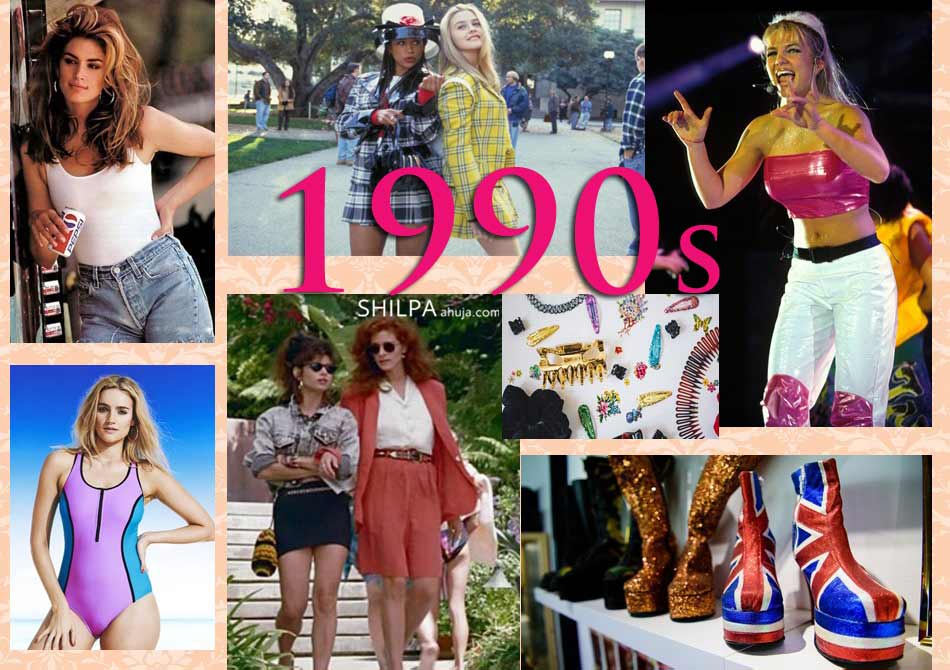
The 1990s–2000s: Minimalism, Supermodels, and the Fast Fashion Boom
After the extravagance of the 1980s, the fashion world shifted toward a cleaner, more understated aesthetic. The 1990s embraced minimalism, favoring simple silhouettes, neutral palettes, and timeless tailoring over flashy embellishments. Designers including Calvin Klein and Helmut Lang became leading voices of this movement, proving that sophistication could be achieved through simplicity rather than excess.
The decade also witnessed the rise of the supermodel phenomenon. Figures such as Naomi Campbell, Cindy Crawford, and Kate Moss became household names whose influence extended well beyond the runway. Their celebrity status helped transform fashion into a major force in popular culture.

One of the era’s most recognizable yet controversial trends was “heroin chic,” an aesthetic defined by extremely slim figures, pale complexions, and deliberately understated styling. Although highly influential in fashion photography and advertising, it also sparked widespread debate about body image and beauty standards.
Meanwhile, the business of fashion was changing just as rapidly. Retailers including Zara, H&M, and Topshop pioneered the fast fashion model, dramatically shortening the time between runway shows and store shelves. By producing affordable, trend-driven collections at remarkable speed, these brands reshaped consumer expectations and transformed the global fashion market.
As the early 2000s arrived, celebrity culture became one of fashion’s biggest driving forces. Red carpet appearances, designer collaborations, and high-profile brand partnerships increasingly dictated seasonal trends. Designers such as Marc Jacobs and Tom Ford defined the glamorous, luxury-focused aesthetic of the era, while fast fashion retailers continued making runway-inspired looks accessible to millions of shoppers worldwide.

The styling profession also expanded significantly throughout the 1990s and early 2000s. Personal shopping services became increasingly popular, celebrity stylists emerged as influential tastemakers in Hollywood, and universities across Europe began offering professional styling programs, further establishing styling as a respected career within the fashion industry.
Technology in Fashion: The Digital Transformation of the 21st Century
The twenty-first century has brought one of the most significant transformations in fashion history. Advances in digital technology have reshaped nearly every stage of the industry—from design and manufacturing to marketing, retail, and customer experience. Today’s fashion landscape is more connected, efficient, and innovative than ever before, opening the door to entirely new forms of creativity.
Computer-Aided Design (CAD): Reinventing the Design Process
One of the biggest technological breakthroughs has been the widespread adoption of Computer-Aided Design (CAD) software. Instead of relying solely on hand-drawn sketches, designers can now build highly detailed digital prototypes with remarkable precision.
CAD software makes it possible to visualize garments in three dimensions, test different fabrics, colors, textures, and patterns, and refine designs almost instantly. Because adjustments can be made digitally before physical samples are produced, the technology significantly reduces development time while improving both accuracy and efficiency.
3D Printing and the Future of Sustainable Fashion
Another innovation reshaping the industry is 3D printing. By constructing garments layer by layer, this technology enables designers to create highly intricate, customizable pieces that would be extremely difficult—or even impossible—to produce using traditional manufacturing techniques.
Beyond its creative potential, 3D printing also supports more sustainable production methods. Since garments can be manufactured on demand, brands are able to reduce excess inventory, minimize textile waste, and avoid large-scale overproduction.

Among the pioneers of this movement is designer Iris van Herpen, whose avant-garde haute couture collections demonstrate how cutting-edge technology can merge with exceptional craftsmanship to redefine what fashion can be.
Social Media and E-Commerce: Changing the Way We Discover Fashion
The rise of social media has fundamentally transformed how fashion trends spread across the globe. Platforms such as Instagram, TikTok, and Pinterest have become digital showcases where designers, influencers, celebrities, and everyday users introduce new styles almost instantly.
These platforms have also leveled the playing field, allowing independent designers and emerging brands to build international audiences without the enormous marketing budgets once required to compete with established fashion houses.
At the same time, the rapid growth of e-commerce has completely changed the shopping experience. Consumers can now browse collections, compare brands, and purchase clothing from virtually anywhere in the world, making fashion more convenient and accessible than ever before.
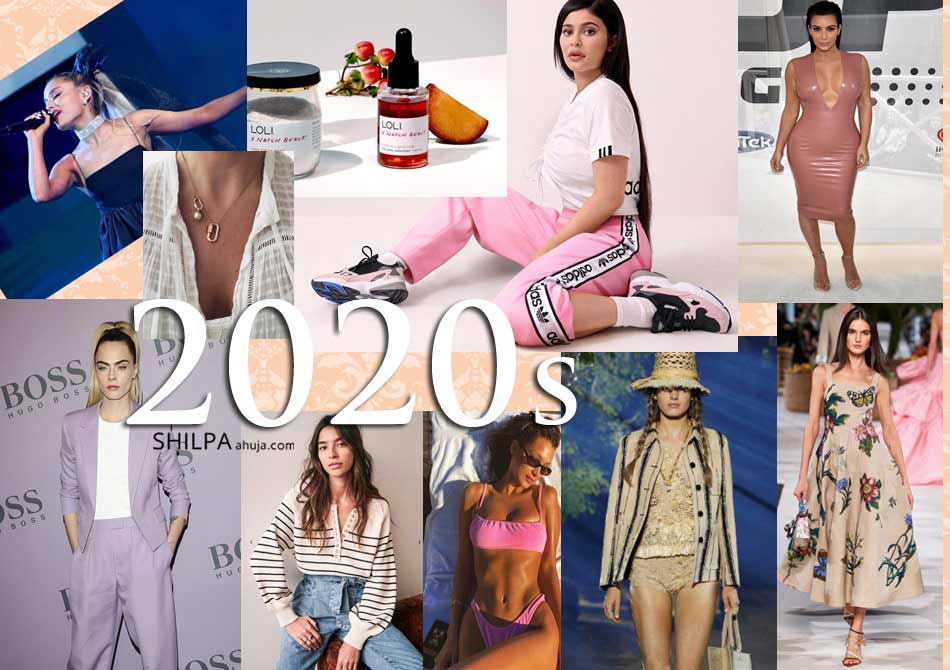
Virtual Fashion Shows and the Rise of Digital Clothing
Technology is changing not only how fashion is designed but also how it is presented. The COVID-19 pandemic accelerated the industry’s transition toward virtual fashion shows, encouraging designers to replace traditional runway events with livestreams, immersive digital experiences, and computer-generated presentations.
Leading fashion houses such as Balenciaga, Gucci, and Louis Vuitton embraced these new formats, using advanced animation, visual effects, and virtual environments to showcase their collections to audiences around the world.
Digital presentations have expanded access to fashion weeks, allowing far more people to experience runway collections than traditional invitation-only events ever could.
This technological shift has also fueled the growth of digital fashion—virtual garments created specifically for online environments, gaming platforms, and digital identities. Companies like The Fabricant and Drest are pioneering this emerging field, suggesting that future wardrobes may include digital clothing alongside physical garments.
The Future of Fashion: Innovation Meets Responsibility
Fashion has always reflected the changing world around it, and its future promises even greater transformation. Emerging technologies, growing environmental awareness, and shifting consumer expectations are redefining how clothing is imagined, produced, and experienced.
Artificial intelligence, virtual and augmented reality, advanced manufacturing, and sustainable innovation are expected to play increasingly important roles throughout the industry. Together, these developments are creating a future where fashion combines creativity with cutting-edge technology while placing greater emphasis on ethical production, environmental responsibility, and personalized consumer experiences.
Fashion and clothes have always been means of self expression and ways to evoke a lot of emotions. People prefer to dress according to occasions, feelings and even locations. Fashion has also been revolutionary with regards to communities fighting for what belongs to them, saving their traditions and cultures from being appropriated and other marginalized communities standing up for themselves to be able to wear clothes that were otherwise deemed not for them. Those interested in the world of fashion can now choose from multiple institutes that offer programs to learn fashion designing and multi disciplines within the industry. The Fashion industry is ever-evolving and here to stay.