
Top 18 Science-Backed Reasons Why You Should Consider Incorporating A Cup Of Matcha Tea Into Your Daily Life
Matcha tea, a vibrant green powder with a rich history steeped in Japanese tradition, has captured the attention of health-conscious individuals worldwide.
But what exactly is matcha?
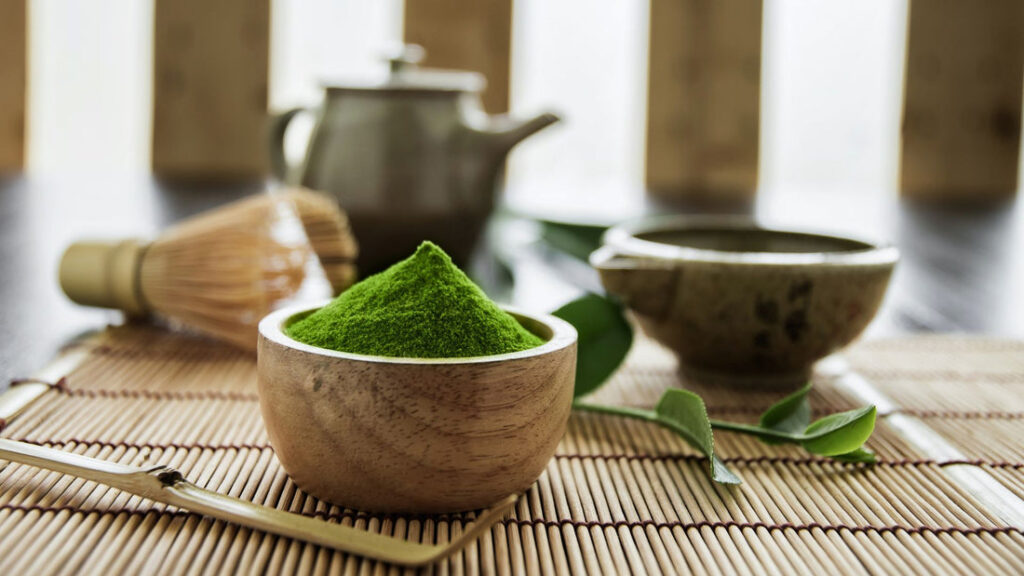
Unlike traditional green tea leaves you steep in hot water, matcha is a finely ground powder made from shade-grown green tea leaves. This special cultivation process increases the chlorophyll content, resulting in a distinctive emerald color and richer flavor. Once harvested, the leaves are steamed, dried, and meticulously stone-ground into the fine powder we know as matcha.
While both matcha and green tea come from the Camellia sinensis plant, the processing method creates a key difference. Since you ingest the entire matcha leaf when you consume the powder, you receive a much higher concentration of nutrients and antioxidants compared to traditional green tea. This concentrated effect is what contributes to matcha’s potential health benefits.
Derived from the finest shade-grown tea leaves, matcha is more than just a tea; it’s a form of art, an instrument for meditation, and a symbol of health. Believe it or not, this tea has been around for hundreds of years.
The origins of matcha can be traced back to the Tang Dynasty during the 8th century in China. Making powdered tea from steam-prepared dried tea leaves became common in the 12th century. In 1191, Zen monk Myoan Eisai discovered matcha and brought the seeds to Japan, where he is said to have planted them in the garden of the Buddhist temple in Kyoto.
The recent rise in the popularity of matcha is well deserved. There are many reasons to drink Matcha, but here are the top 16 science-backed reasons why you should consider incorporating a cup of matcha tea into your daily life.
1 Rich in Antioxidants
This point is the true key to all the other points we’ll cover below. Matcha contains a class of antioxidants called catechins, which are present in all green teas. The specific catechin present in green tea is called epigallocatechin gallate, also known as EGCG. Since matcha contains the whole green tea leaf rather than the traditional process of steeping tea leaves in water, there is a higher concentration of EGCG. Research has found that it contains up to 137 times the amount of catechins present in green tea. Increasing green tea catechin intake can help prevent cardiovascular many diseases.

Antioxidants also play a crucial role in neutralizing harmful free radicals, known to harm cells and potentially cause chronic illnesses. The unique cultivation process of matcha involves growing it in the shade. As a result, the catechin levels in matcha start lower compared to other green teas. However, when matcha is dissolved in water, it releases three times more catechins.
Fascinatingly, a study conducted on mice demonstrated that matcha supplements effectively reduced the damage caused by free radicals and boosted antioxidant activity. By incorporating matcha into your diet, you can significantly enhance your antioxidant intake, safeguarding against cell damage and reducing the risk of various chronic diseases.
Numerous ORAC (Oxygen Radical Absorbance Capacity) tests have repeatedly shown that matcha has an extremely high count of antioxidants.
On average, matcha has five times as many antioxidants as other superfoods, like raw fruits, deep green veggies, and dark chocolate. Not to mention, nutrition-wise, one cup of Matcha is equivalent to 10 cups of steeped green tea.
Sipping Matcha is not just a beverage choice; it’s an antioxidant-rich ritual that fortifies the body from within.
2 Boosts Your Immune System

A recent study in the journal Proceedings of the National Academy of Sciences concluded that drinking matcha everyday greatly enhanced the overall response of the immune system. As Covid- 19 continues to spread, the constant search for immunity- boosting products persists. Consuming matcha strengthens the immune system due to its high levels of epigallocatechin gallate, which assists the body’s production of T-Cells. This results in reduced inflammation and increases the body’s ability to fight pathogens.
Researchers have found that the catechins in matcha green tea powder have antibiotic and immunomodulation properties that help to improve health. Simply drinking one bowl of matcha green tea provides your body with high levels of potassium, vitamin A, vitamin C, iron, and calcium, which are known to fortify the system to help keep it at its best. In addition, the chlorophyll present in matcha helps detoxify the body of harmful chemicals and toxins, which also plays a role in fighting off pathogens.
The strikingly high levels of antioxidants in matcha take the form of catechins, polyphenols, and flavonoids, each of which aids the body’s defense in its daily hassles against free radicals that come from the pollution in your food, air, and water. On a more practical level, this can mean fewer colds and fewer sick days off work
3 Enhances Energy and Endurance
What better way to provide a lasting energy boost than matcha green tea? Matcha is a powerful ally in fighting fatigue.
Similar to other teas, matcha powder energizes the body from its natural caffeine content. However, after consumption, the body absorbs the caffeine differently. The caffeine content in matcha is characterized by a calm alertness, rather than the spikes and crashes associated with a cup of coffee. This is because coffee creates spikes in adrenaline glucose and insulin levels, whereas matcha contains theanine, an amino acid that prevents you from feeling over stimulated.

Thanks to matcha’s shade growing process, the amino acid L-Theanine is preserved; this nutrient slowly absorbs and releases the caffeine over a 3 to 6 hour period, resulting in a balanced energy level without the jitters and crash. Overall, opt for matcha to keep you awake and alert throughout the day.
4 Boosts Your Brainpower, Memory and Focus

When paired with caffeine in matcha, L-theanine does fantastic things for the brain. Drinking matcha may help sharpen your memory, improve your focus, and shorten your reaction time. This makes matcha especially great to sip on during a hectic work day or before a big test.
Although Matcha contains some caffeine, the relaxing properties of L-theanine counteract the “edgy” effects of caffeine. Therefore, a cup of Matcha green tea promotes concentration and clarity of mind without producing any of the nervous energy typically identified with coffee.
Matcha is a powerful brain food that acts as a natural nootropic boosting cognitive functions, such as memory, concentration, attention and motivation.
Early research suggests that matcha tea’s unique blend of compounds may enhance cognitive function. One study involving 23 participants tested their performance on brainpower tasks. Some participants consumed matcha tea or a matcha-infused bar, while others received a placebo. Interestingly, those who had matcha showed improvements in attention, reaction time, and memory compared to the control group.
Another small study explored the effects of daily green tea powder consumption on brain function in older adults. Participants who consumed 2 grams of green tea powder daily for 2 months experienced improvements in cognitive function.
Matcha green tea contains up to 5 times more L-theanine than a regular green tea. L-theanine is an amino acid with psychoactive properties, capable of inducing alpha wave activity in the brain. That might be one of the reasons why matcha’s roots in Zen Buddhism elevate it beyond a mere beverage. For centuries, Zen Buddhist monks have revered matcha as a tool for meditation, fostering a state of heightened awareness and presence, relaxed alertness and improved focus.
The ritualistic preparation of matcha encourages mindfulness, creating a sacred moment in the midst of our bustling lives—a moment to savor, reflect, and be present.
5 Reduces Anxiety and Natural Stress Fighter
Incorporating matcha into your diet can help reduce anxiety. Researchers found that matcha activates the dopamine DR receptors and specific serotonin receptors in mices’ brains, which suggests just drinking a little matcha tea every day can help alleviate anxiety and improve overall mood.
What makes matcha so good at reducing anxiety? The magic lies in L-theanine, an amino acid that promotes relaxation and focus. As mentioned above, L-theanine works synergistically with caffeine, allowing for sustained energy without the jitters or anxiety often associated with coffee. Studies suggest that this combination can improve alertness, cognitive function, and reaction time, all contributing to enhanced energy levels throughout the day.

Though life can get busy, sometimes a good cup of tea can be the stress-free solution you need. On the surface, matcha preparation can be a soothing experience – slowly sifting fine grains of matcha, lightly whisking within hot water, and savoring the final product.
6 Boosts Metabolism and Helps Weight Loss
Matcha may help boost your metabolism and increase fat-burning abilities, which could lead to weight loss. The combination of caffeine and the amino acid L-theanine found in matcha can help increase energy levels while also promoting relaxation and reducing stress. This can lead to improved physical performance and a reduction in body fat percentage.
Matcha’s potential role in weight management stems from its unique combination of nutrients and bioactive compounds. The high concentration of epigallocatechin gallate (EGCG) may boost metabolism through thermogenesis, the process by which the body burns calories to generate heat. Studies suggest that EGCG can also increase fat oxidation, the body’s breakdown of fat for energy, potentially leading to reduced fat storage. Additionally, matcha’s natural L-theanine content may promote feelings of satiety and curb cravings, contributing to weight management efforts.

Research conducted in 2020 suggests that consuming up to 500 mg of green tea per day for 12 weeks may contribute to reducing your body mass index. It’s important to remember that matcha is not a magic bullet for weight loss, however, incorporating matcha into a healthy diet and exercise routine might offer a helpful boost. Research also suggests matcha’s EGCG and L-theanine content may support weight management by promoting thermogenesis, fat oxidation, and feelings of fullness.
Another study found that drinking green tea extract during moderate levels of exercise increased fat burning by 17%. Another study found taking green tea supplements significantly increased 24-hour energy expenditure. Yet another study showed green tea consumption decreased body weight and helped maintain weight loss.
Including matcha in a balanced diet could help you manage a healthy weight while increasing your metabolism and energy levels.
While drinking a bowl of ceremonial matcha is the traditional way to enjoy your tea, it certainly isn’t the only way. Its versatile, powdered form allows it to shine as a functional ingredient in a variety of creative applications – like matcha lattes, matcha ice cream, and more. Overall, you can’t go wrong with the earthy, mildly sweet flavor and numerous health benefits of matcha.
7 Improves Heart Health
The epigallocatechin gallate present in matcha plays an important role in improving heart health. EGCG’s help enhance the lining of blood vessels and keep cholesterol low. This regulates blood pressure and prevents blood clotting.
Research has indicated that green tea intake is associated with a decreased risk of cardiovascular disease when compared to coffee.

There is also evidence to suggest that green tea could potentially aid in lowering the risk of high blood pressure and other complications in individuals with heart disease. The compounds found in matcha closely resemble those in green tea, leading to speculation that it may offer similar benefits
In addition, studies show that the antioxidants present in matcha prevent inflammation in body tissue, which keeps blood vessels flexible and relaxed, improving their ability to withstand changes in blood pressure.
8 Reduces Inflammation
Matcha has anti- inflammatory properties, which can help you feel your best, in addition to managing severe inflammation in those with Rheumatoid arthritis. A study conducted at the University of Michigan found that the epigallocatechin gallate found in matcha limits the production of certain molecules in your immune system that can trigger inflammation and joint pain. This finding supports the use of matcha as a natural remedy for those diagnosed with Rheumatoid arthritis.
9 May Help Prevent Cancer
The antioxidants present in Matcha help prevent several diseases, one of which includes cancer. Research has linked epigallocatechin gallate to having cancer- fighting properties. The national cancer institute found that epigallocatechin gallate protects cells from DNA damage, activates detoxification enzymes that inhibit tumor growth, and promotes cancer cell destruction. Research has shown that EGCG helps protect the skin against UV radiation, reducing the risk of skin cancer.
The research on matcha’s direct role in cancer prevention in humans is ongoing. However, some promising studies suggest potential benefits due to specific compounds in matcha. EGCG’s anti-inflammatory properties might also contribute to reducing the risk of cancer development. Additionally, laboratory studies suggest that EGCG can promote apoptosis, or programmed cell death, in cancer cells.
11 Liver Function Support
The liver is crucial for overall health as it is responsible for detoxifying your body, helping to metabolize medications, and processing nutrients. Research suggests that matcha could also support liver health. A review conducted in 2015 involving 15 studies revealed that consuming green tea was linked to a lower risk of liver disease.

However, recent findings in 2020 indicate that while matcha may be beneficial for individuals with nonalcoholic fatty liver disease (NAFLD) by reducing liver enzymes, it could potentially elevate liver enzymes in those without NAFLD. Further studies are necessary to explore the impact of matcha on the general population, as current research primarily focuses on the effects of green tea extract in animal studies.
12 Blood Sugar Stabilizer
Matcha does indeed help stabilize blood sugar levels, making it ideal for diabetics. There appears to be a direct connection between antioxidant activity and hypoglycemic activity. While more conclusive evidence is needed, a few meta-analyses have concluded that matcha and green tea extract can improve insulin sensitivity and decrease fasting glucose levels. The EGCG in matcha may have a positive impact on insulin function and might help cells become more responsive to insulin. By improving insulin sensitivity, matcha may assist in more efficient glucose uptake, reducing the reliance on excessive insulin production, which is especially beneficial for people with type 2 diabetes. Improved insulin sensitivity might reduce the risk of prediabetes and help reverse diabetes.

The catechins in matcha may also help slow down carbohydrate digestion and, therefore, help balance blood sugar levels. By slowing down digestion, matcha may help reduce the rapid spikes in blood sugar that often occur after eating. Polysaccharides from green tea in concentrated form are used in the treatment of diabetes in China.
One randomized, controlled study found that a single dose of green tea extract considerably lowered both starch digestion and absorption. Researchers found that these participants had significantly lower fasting blood glucose levels after consuming green tea.
13 Improves Bone Health
Consuming matcha regularly can be beneficial for bone growth and strength. The epigallocatechin gallate in matcha stimulates an enzyme that promotes bone growth by up to 79%. EGCG also increases the level of bone mineralization in the cells, which strengthens bones.
14 Great for Skin Health
Matcha’s potential benefits for skin health can be attributed to its powerhouse of antioxidants and specific compounds. The high concentration of epigallocatechin gallate (EGCG) and other catechins may help combat free radical damage, which can contribute to the visible signs of aging. Additionally, EGCG’s anti-inflammatory properties might play a role in reducing skin conditions like acne and eczema. Studies suggest that EGCG may also promote collagen production, a protein that keeps skin firm and youthful.

However, it’s important to note that most research on matcha and skin health is based on laboratory studies or animal models. While promising, more human trials are needed to confirm the extent of matcha’s benefits for the skin.
15 Anti-Aging Properties
Since matcha is simply a variety of green tea, it has most of the same health benefits People in Okinawa, Japan have been known to live the longest. The longevity of the people in Okinawa has been partly attributed to regular consumption of the Japanese Matcha Green Tea. Matcha green tea is the most popular green tea in Japan, but it is rapidly gaining more popularity throughout the world because of its ability to combat inflammation, oxidation and aging.
16 Improves Cholesterol
Studies of different populations have showed that people who drink Matcha Green Tea on a daily basis have lower levels of LDL cholesterol, otherwise known as the bad cholesterol while at the same time displaying higher levels of HDL cholesterol, which is the good cholesterol. And this was associated with lower blood pressure and a decreased risk of stroke. Now isn’t that good news?
17 Probiotic Powerhouse
Matcha has huge quantities of polyphenols — the naturally occurring compounds found in the tea plant that are thought to be responsible for some of the health effects conferred by a diet rich in fruit and vegetables. These polyphenols get broken down by our gut bacteria into bioactive, polyphenol-derived metabolites. In simple terms, it increases the good bacteria and decreases bad bacteria.
18 Gives you Better Breath
Really! This is not even made up. The catechin blast of Matcha acts as a kind of sterilizing agent. A cup of Matcha green tea after a meal retards the growth of germs, which cause periodontal disease and halitosis (i.e. bad breath). It also protects the tooth enamel. Dentists LOVE Matcha.
As we've discovered, matcha tea isn't just a trendy beverage; it's an amazing support for your overall well-being.
From its focus-enhancing properties and immune system support to its potential benefits for weight management and heart health, matcha offers a multifaceted approach to a healthier you. While more research is needed in some areas, the current evidence is promising.
Preparing matcha tea is a simple yet mindful ritual. Traditionally, a special bamboo whisk called a chasen, is used to whisk the matcha powder with hot water (around 175°F or 79°C) in a bowl. This whisking technique creates a frothy, light beverage. However, a handheld frother can be used as a substitute. The ideal consistency should be neither too thick nor too thin, resembling a smooth latte.
While drinking a bowl of ceremonial matcha is the traditional way to enjoy your tea, it certainly isn’t the only way. Matcha can be enjoyed on its own or combined with milk, alternative kinds of milk, or even incorporated into smoothies or baked goods for a flavorful and healthy twist. Its versatile, powdered form allows it to shine as a functional ingredient in a variety of creative applications – like matcha lattes, matcha ice cream, and more.
Overall, you can’t go wrong with the earthy, mildly sweet flavor and numerous health benefits of matcha.
So, why not incorporate this delicious drink into your daily ritual and experience the potential health benefits of matcha for yourself? Consider browsing the Matcha collection with a Matcha tea set to treat yourself to a new tea bowl too.

One of the best things you can do to improve your body’s overall health is add matcha to your daily morning ritual.