
Top Five Minerals That Are Important For Healthy Immune Response
The human body requires a wealth of resources for normal healthy functioning, particularly micronutrients that are used to support the immune system – and while all minerals have an important role to play, some are more important than others.
Minerals fulfil a wide variety of functions in the optimal functioning of the immune system. They’re crucial for both our innate immune system (our body’s built-in defense) and our adaptive immune system (our body’s ability to fight off germs). In this article we focused on the minerals that science shows are most important for keeping our immune system strong.
A balanced diet usually gives us enough minerals to support our immune system, but some people might need to pay extra attention to make sure they’re getting enough of minerals like magnesium, zinc, copper, iron, and selenium.
Zinc: The Immune Cell Developer
Zinc is a crucial micronutrient that plays a fundamental role in supporting immune function. It serves as a cofactor for numerous enzymes involved in various aspects of the immune response, including cell signaling, DNA synthesis, and antioxidant defense.
– Regulates the production of cytokines, signaling molecules that coordinate the immune response to infections.
– It aids in the development, activation, and proliferation of immune cells such as T cells, B cells, natural killer cells, and macrophages.
– Help inhibit the replication of certain viruses, including respiratory viruses such as the common cold virus and coronaviruses.
– Supports the integrity of the skin and mucous membranes, acting as a physical barrier against pathogens.
– Moreover, Zinc supports the production of antimicrobial proteins, helping the body defend against infections caused by bacteria and viruses.
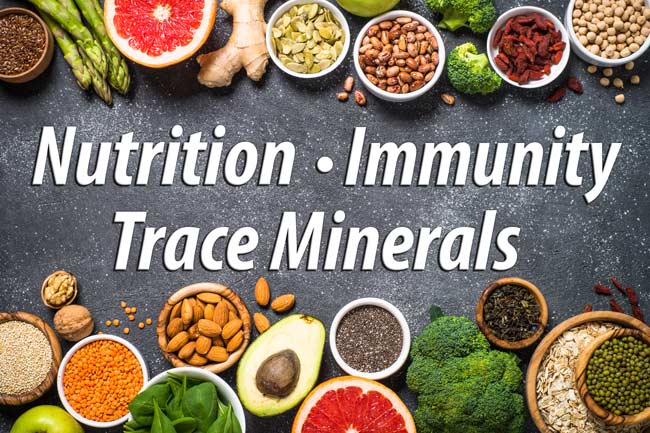
Including zinc-rich foods in the diet, such as meat, seafood, nuts, seeds, and whole grains, can help support immune health.
Supplementing could prove advantageous for those with insufficient dietary intake or heightened zinc needs, particularly during times of illness or stress.
Iron: The Oxygen Carrier
One of the primary ways in which iron improves immunity is by supporting the production and function of immune cells. Iron is necessary for the development and maturation of immune cells such as T cells, B cells, natural killer cells, and macrophages.
– Iron is essential for the production of hemoglobin, the protein in red blood cells that transports oxygen to tissues and immune cells.
– It supports the function of immune cells and promotes antibody production, enhancing the body’s ability to combat infections.
– Moreover, Iron helps regulate immune responses and reduce the risk of infections and inflammatory diseases.
Including iron-rich foods in the diet, such as lean meats, poultry, fish, beans, lentils, and leafy greens, can help support immune health. Those with iron deficiency or conditions that elevate iron needs may look for quality iron supplements.
Selenium: The Antioxidant Ally
– Selenium acts as a cofactor for antioxidant enzymes, protecting immune cells from oxidative damage and enhancing immune function.
– Supports the proliferation and activation of lymphocytes, including T cells and natural killer cells.
– Helps regulate the production of cytokines, signaling molecules that coordinate the immune response to infections.
– Possess antiviral properties, inhibiting the replication of certain viruses and reducing their ability to cause infection
– Supports the production of antibodies, proteins produced by B cells that specifically target and neutralize pathogens.
– Additionally, Selenium helps regulate inflammatory responses and promote immune balance, reducing the risk of chronic inflammatory conditions.
Including selenium-rich foods in the diet, such as Brazil nuts, seafood, poultry, eggs, and whole grains, can help support immune health. Supplementation might be necessary in some cases. One of the best option we recommend for vegans is Plant Based Selenium.
Copper: The Immune-Enzyme Cofactor
Copper is an essential trace mineral that serves as a cofactor for various enzymes involved in immune responses, including those that regulate antioxidant defenses, energy metabolism, and the production of connective tissues.
All living things use copper as a trace micronutrient in many aspects of metabolism. Because it readily accepts and donates electrons, it is a very versatile element to use to speed up the breaking down and building up of molecules – that is, it serves as an important feature of catalyst enzymes. Our bodies have complex systems to regulate the amount of copper, keeping it at a healthy level known as homeostasis. It is important to regulate the level of copper, since too much can lead to cell death.
Copper possesses antimicrobial properties, inhibiting the growth and replication of certain pathogens. It helps prevent the colonization and spread of bacteria and viruses, thereby reducing the risk of infections.
– It enhances the function of immune cells like neutrophils and natural killer cells, promoting optimal immune responses to infections.
– Several proteins have been discovered that bind to pathogens, effectively blocking the invader’s access to key micronutrients, including copper.
– Contributes to the formation of antibodies, proteins produced by B cells that specifically target and neutralize pathogens.
– Additionally, Copper helps regulate inflammatory responses and promote immune balance, thereby reducing the risk of chronic inflammatory conditions.
Studies have shown that elevated concentrations of copper can be found near the sites of infection. While research is ongoing, findings seem to point to phagocytes using copper (and zinc) ions as a redox catalyst, breaking down the cell walls of bacteria.
Including copper-rich foods in the diet, such as shellfish, nuts, seeds, whole grains, and legumes, can help support immune health. Additionally, supplementation may be beneficial for individuals with inadequate dietary intake or conditions that increase copper requirements.
Magnesium
Magnesium (Mg) has gained much importance recently because of its unique range of biological functions. It is one of the most significant micronutrients in biological systems. Magnesium plays a crucial role in supporting immune function within the human body. It is essential for optimal immune function and regulating inflammation. Deficiency in Mg can lead to temporary or long-term immune dysfunction.
– Contributes to various immune processes, including the activation and regulation of immune cells such as T and B lymphocytes.
– Helps in the production of antibodies, which are vital for identifying and neutralizing harmful pathogens.
– Assists in the synthesis of cytokines, which are signaling molecules that coordinate immune responses. The level of magnesium in the blood is an important factor in the immune system’s ability to tackle pathogens and cancer cells.
Adequate levels of magnesium are necessary for optimal immune function, as deficiencies in this mineral can impair immune system activity and increase susceptibility to infections. Therefore, maintaining sufficient magnesium intake through diet or supplementation is important for supporting overall immunity and promoting good health.
Magnesium occurs abundantly in whole foods and the best dietary sources are kelp, seaweed, citrus fruits, green leafy vegetables such as broccoli, cabbage, nuts, whole grains and tofu.
By enhancing immune cell function, regulating inflammation, and exerting antimicrobial effects, these minerals play a vital role in maintaining a strong and resilient immune system.
https://www.ncbi.nlm.nih.gov/pmc/articles/PMC2277319
https://www.ncbi.nlm.nih.gov/pmc/articles/PMC5535265/
https://www.ncbi.nlm.nih.gov/pmc/articles/PMC6883604/
https://www.ncbi.nlm.nih.gov/pmc/articles/PMC10375690/